


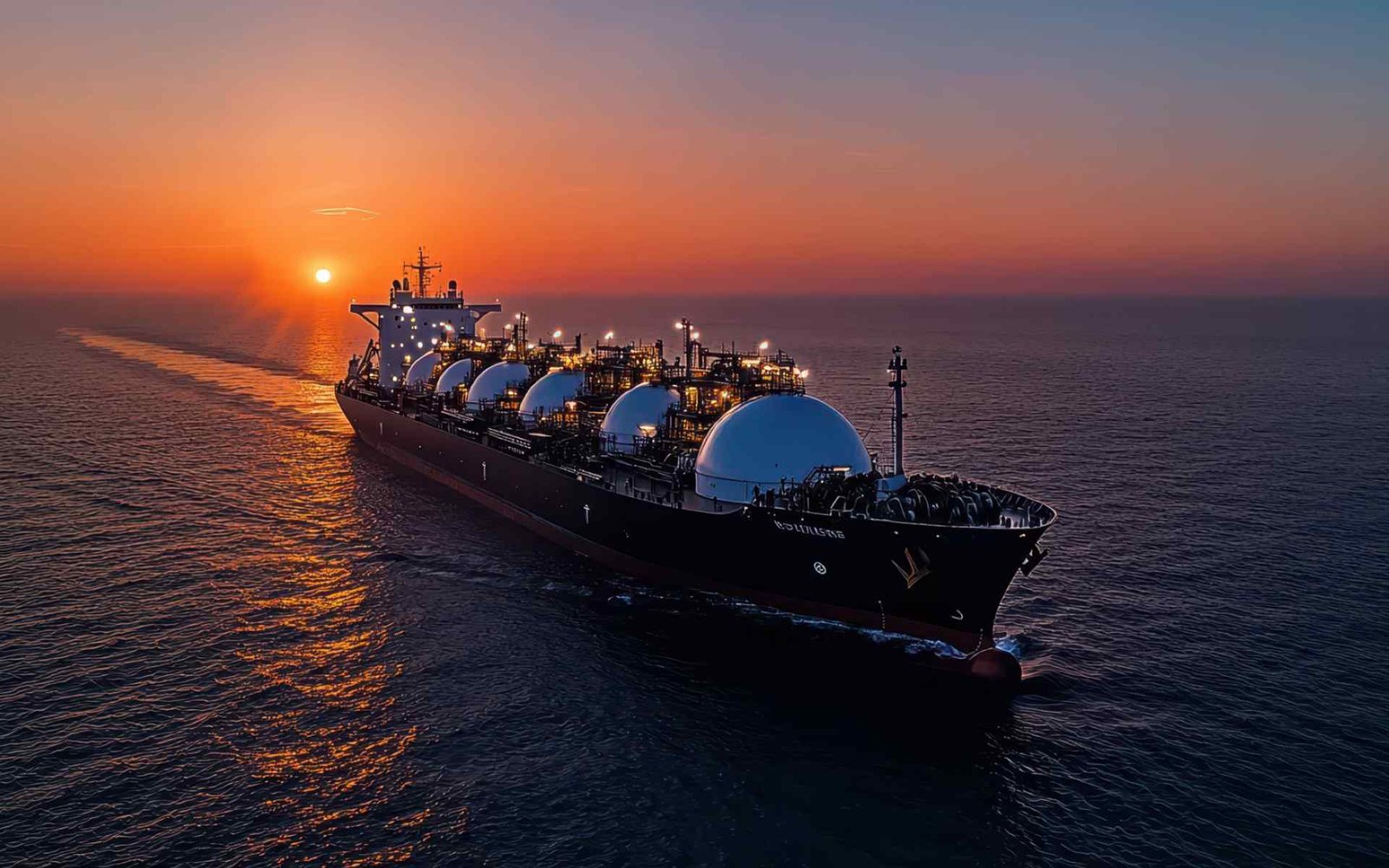
The $20 billion Mozambique LNG project has officially restarted, with operator Total Energy confirming on Thursday that construction has resumed at the Afungi site in Cabo Delgado. The move marks the formal lifting of force majeure after more than four years and reinvigorates Africa’s largest foreign direct investment project. Beyond the immediate economic impact, the restart is an important signal for global energy investors testing whether large-scale LNG development can proceed in high-risk frontier markets amid heightened security, financing and ESG scrutiny.
Back on track: 13 MTPA production capacity starting in 2029
The Mozambique LNG project is designed to produce 13 million tonnes per annum (mtpa) of LNG sourced from offshore gas fields in the Rovuma Basin, with first exports targeted for the first half of 2029. Access to the Afungi peninsula is primarily restricted to air and sea routes, and construction has resumed under close supervision. More than 4,000 workers have already returned to the site, about 80% of whom are Mozambicans. The project is expected to create up to 17,000 jobs during peak construction, according to government estimates. This scale reflects the project’s broader economic impact and highlights its importance to Mozambique’s economy.
On the energy front, Mozambique LNG, alongside LNG development led by Eni and ExxonMobil, is central to the country’s ambitions to become a globally significant LNG exporter and contribute to long-term energy security. More broadly, its progress will shape the way investors assess the risks, rewards and resilience across Africa’s next generation energy projects.
Overcome legal and financial hurdles
Energy Capital & Power has been closely following Mozambique’s LNG project for several years, documenting efforts by TotalEnergies and partners to lift force majeure, negotiate financing, and manage security risks as they steer the $20 billion project toward restart in 2029. The restart of the project follows TotalEnergies’ decision to lift force majeure in October 2025, which has been in place for more than four years. The company cited the improvement of the security situation in Cabo Delgado and the reaffirmation of international financing as the main factors enabling the gradual return of contractors and construction activities.
Speaking at the event, President Chapo said the restart was a turning point for Mozambique’s economy and investor confidence, calling it a symbol of the nation’s resilience and recovery. Meanwhile, Pouyanne confirmed that the force majeure situation has ended and said the project is moving forward, prioritizing safety, security and the long-term viability of Total Energy’s largest investment in Africa.
Africa’s largest FDI overcomes turmoil
Despite the new momentum, challenges remain for the project. In late 2025, the European Center for Constitutional and Human Rights filed criminal charges in France alleging complicity in war crimes related to events near the project site in 2021. Total Energy dismissed the charges, saying they had not been formally served and denied any wrongdoing.
This was followed by British Export Finance and British-Dutch export credit agency Atradius announcing that they had ceased funding the Mozambique LNG project. TotalEnergies later issued a clarification, explaining that the project partners had decided to proceed without the participation of government agencies following a period of post-force majeure financing negotiations. The project partners unanimously agreed to provide additional equity in lieu of these contributions.
At the time of the announcement, Mozambique’s LNG was Africa’s largest foreign direct investment and a cornerstone of the country’s energy ambitions. The ability to move forward through legal, security and financing headwinds will not only determine the country’s emergence as a major LNG exporter, but will also shape investor confidence in large-scale energy projects across African peripheral markets over the next decade.
