


South Africa’s construction industry enters 2026 in a constrained but evolving context. While macroeconomic pressures continue, demand remains steady, especially for residential land, mixed-use developments, and renovation projects where long-term durability and cost efficiency are priorities.
Construction accounts for approximately 4% of South Africa’s GDP and is predicted to stabilize gradually rather than rapidly expand until 2026. In this environment, project viability is increasingly determined by cost predictability, supply reliability, and lifecycle performance rather than volume-driven growth. Rising costs of imported building materials continue to weigh on the sector. Currency fluctuations, combined with global freight pressures, amplify the price sensitivity of projects and increase the risk of supply disruptions. As a result, import substitution and local manufacturing capabilities are becoming strategic advantages rather than secondary considerations. The choice of materials has been radically revised. Research shows that up to 70% of a building’s total lifetime cost occurs after construction, primarily caused by maintenance, repair, and replacement. This has shifted decision-making from low-cost inputs to materials with predictable long-term performance across South Africa’s various climate conditions, including high UV exposure, heat, coastal corrosion, and seasonal rainfall fluctuations. Operational realities also influence material selection. Ongoing infrastructure constraints and skills shortages are putting pressure on construction schedules, increasing the demand for materials to simplify installation, reduce reliance on specialized labor, and minimize ongoing maintenance requirements. Technology adoption is gaining momentum, albeit unevenly. Manufacturers are increasingly using data-driven planning tools and AI-enabled forecasting tools to manage fluctuations in demand, optimize raw material use, and maintain consistent quality despite external pressures. In a market where margins remain tight and delays are costly, these efficiencies are critical. The main forces that form
Construction in South Africa in 2026 includes:
Cost certainty over initial price: Lifecycle value and maintenance savings now outweigh initial material costs. Local manufacturing resilience: Shorter supply chains reduce exposure to currency fluctuations and logistics disruptions. Climate-friendly materials: Performance in heat, UV, moisture and coastal conditions is essential. Labor efficiency: Materials that reduce installation complexity and maintenance burden are increasingly preferred. Sustainability with economic impact: Environmental performance is closely related to long-term operational cost savings. “In South Africa, the market is very real,” says Craig Parker, COO of Eva-Last composite building materials.
“With uncertainty the norm, developers and contractors are prioritizing materials that perform reliably over the long term, reduce downstream costs, and bring certainty to projects.”
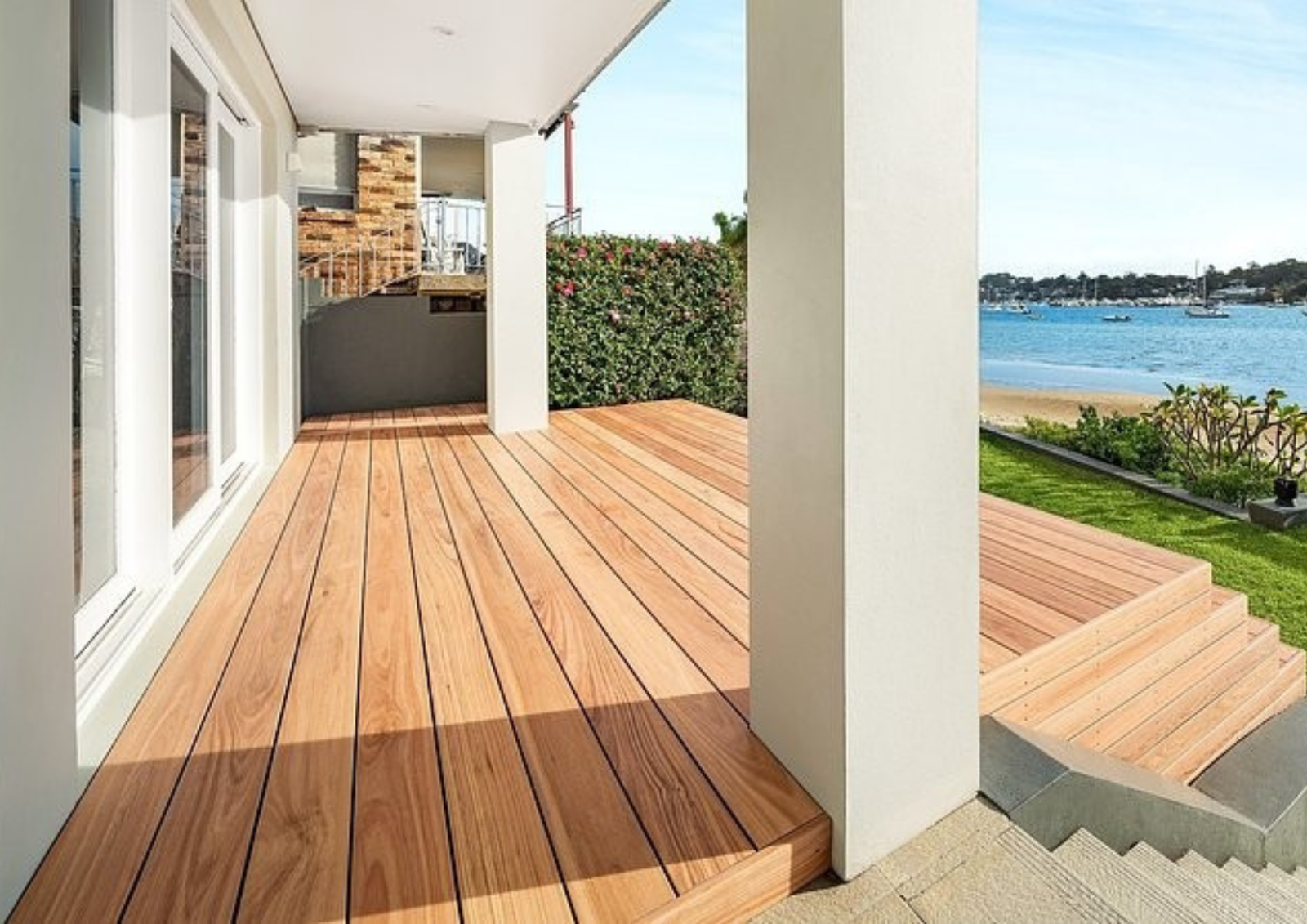
“Eva-Last That’s exactly what we’re investing in: designing composite building materials that provide long life, dimensional stability, and minimal maintenance under harsh site conditions, allowing builders to protect their project budgets and extend their lives beyond completion. We can provide spaces that continue to perform.” Going forward, the trajectory of South Africa’s construction sector will be shaped by smarter architectural decisions rather than spectacular growth, with innovation-driven, performance-driven manufacturers at the forefront of sustainable progress. source of information
GDP contribution and prospects: Statistics South Africa. South African Reserve Bank
Imports and currency effects: SARB quarterly report. world bank
Life cycle cost data: International Energy Agency (IEA). Deloitte Africa Infrastructure Report
Infrastructure and Skills Constraints: CSIR Infrastructure Report. CIDB; Master Builders South Africa
