


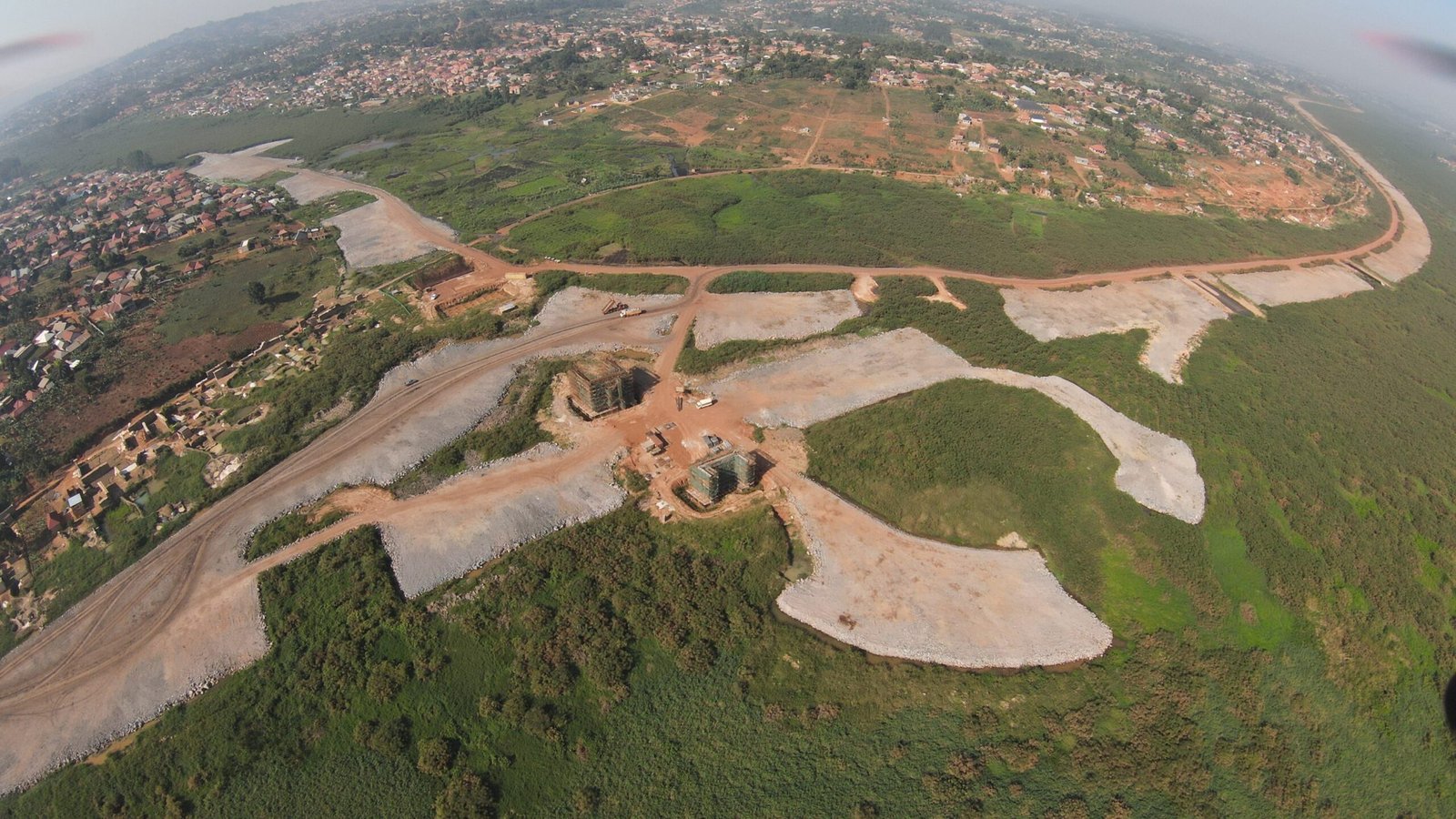
The African Development Bank (AfDB) on Monday, November 17, 2025, approved an additional $239 million in financing for the final leg of the Mombasa-Eastern Democratic Republic of the Congo trade corridor, effectively ensuring the completion of East Africa’s most important cross-border transport artery and removing a major structural impediment to regional economic integration.
This major capital injection is a key development that decisively addresses long-standing project uncertainties and cost overruns, particularly on the Busega-Mpigi Highway in Uganda, thereby ensuring that the 1,900-kilometre road network connecting Kenya’s major ports with the Great Lakes region becomes a seamless and efficient channel, increasing the sustainability of trade across Uganda, Rwanda, Burundi, South Sudan and the Democratic Republic of the Congo (DRC).
The AfDB commitment, consisting of a $207 million loan, $31.2 million from the Concessional African Development Fund, and a small grant from NEPAD-IPPF, is a strategic move to maintain the competitiveness of the Northern Corridor.
The project’s completion, scheduled for between 2029 and 2030, will be monumental in that it will eliminate Kampala’s notorious bottleneck. The bottleneck is just 27 kilometers long and currently adds 90 minutes to three hours of paralyzing traffic to commercial truck trips. These delays have long been a corrosive factor for regional logistics, driving up costs and driving traffic congestion away from Mombasa.
Also read: New West Africa sustainable oceans program targets fishing decline, blue economy development
Logistics costs in East Africa currently stand at a staggering 28-35% of the value of goods, among the highest globally, severely hampering economic growth and consumer affordability. Once the remaining works on the Busega-Mpigi section and Rwanda’s Kagitumba-Kayonza-Rusumo route are completed, the entire network will operate as a nearly continuous modern road, which is expected to bring these logistics costs down to a more competitive range of 18-22 percent.
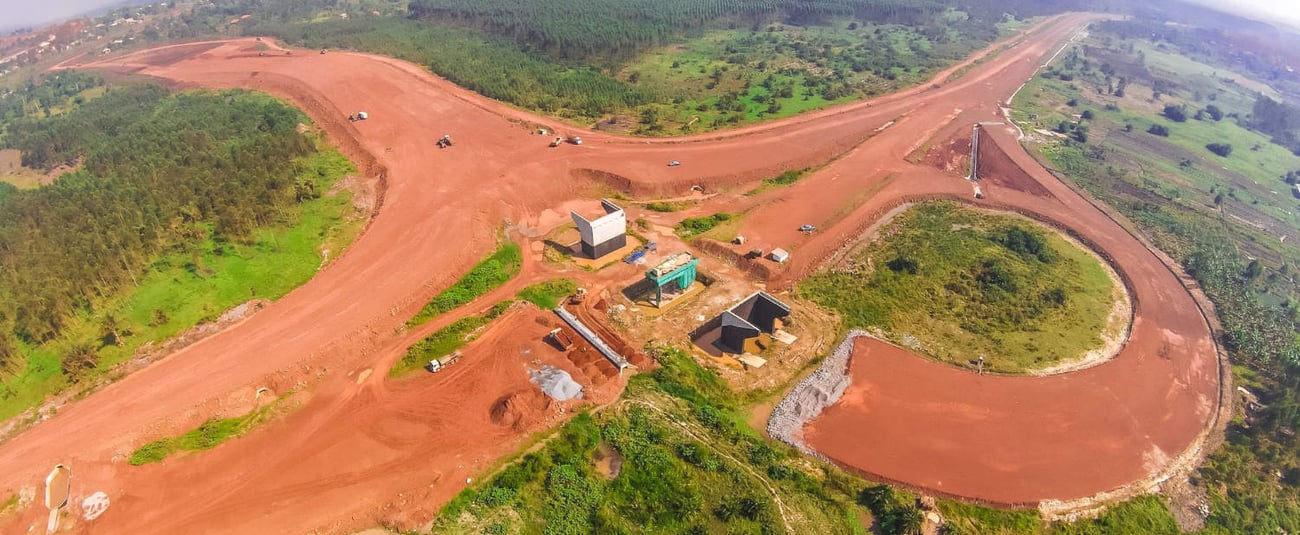
This efficiency increase is essential to the region’s sustainability. For the average truck driver, travel time between Mombasa and Kigali, which typically takes seven to 10 days due to customs delays and road congestion, is expected to be reduced to a much more predictable five to six days. This faster turnaround time means less fuel consumption due to idling, lower greenhouse gas emissions per tonne of cargo, and significantly improved regional supply chain reliability.
The direct benefit will be an increase in Uganda’s cargo volume, which is expected to grow from approximately 1.2 million tonnes to nearly 2 million tonnes per year, supporting the landlocked country’s economy.
The urgency of AfDB’s intervention was amplified by the increasing geopolitical competition within East Africa’s transport sector. For many years, the dominance of the Northern Corridor has been threatened by significant advances in Tanzania’s Central Corridor, which connects the port of Dar es Salaam with the Great Lakes region.
As Tanzania accelerates the development of its Standard Gauge Railway (SGR) and road network, avoiding frequent delays around Kampala is becoming an increasingly attractive option for regional airlines. Without the Busega-Mpigi upgrade, up to 40 per cent of traffic bound for Rwanda and Burundi could shift to the Tanzania corridor by 2030, according to a study by the East African Community (EAC).
AfDB’s decision will act as a firewall, ensuring the competitiveness of the Kenya-Uganda gateway and maintaining the economic lifeline of partner countries.

The economic trajectory highlights the complex nature of the project. Costs for the Uganda segment alone more than doubled to $467 million, due to factors such as inflation and protracted land compensation disputes around areas such as Lubowa. However, new funding and a $34.1 million contribution from the Government of Uganda will ensure that these historic delays and cost overruns will no longer lead to the project being abandoned.
Beyond its immediate transport benefits, the completion of this corridor will strengthen the physical infrastructure necessary for the AfCFTA to truly work in East and Central Africa. By linking the Indian Ocean to the resource-rich eastern DRC provinces of North and South Kivu, the modernized corridor will foster the development of regional value chains, allowing goods and services to flow more freely and affordably.
In addition, construction and subsequent operation are expected to create more than 1,200 jobs, with special provisions focused on employment for youth and women that directly address the social aspects of sustainability.
Also read: Egypt’s Green Canal Strategy: How megaports will reshape Africa’s sustainable trade routes
Completion of this project is a powerful testament to the resilience of long-term multilateral development financing to the turbulence of political delays and economic headwinds. When the first commercial cargo passes between Busega and Mpigi in 45 minutes in 2030, it will end a logistical challenge and mark the success of a decades-long vision for a truly integrated, competitive and sustainably efficient East African economy.
Connect with us on LinkedIn: Sustainability in Africa matters
