


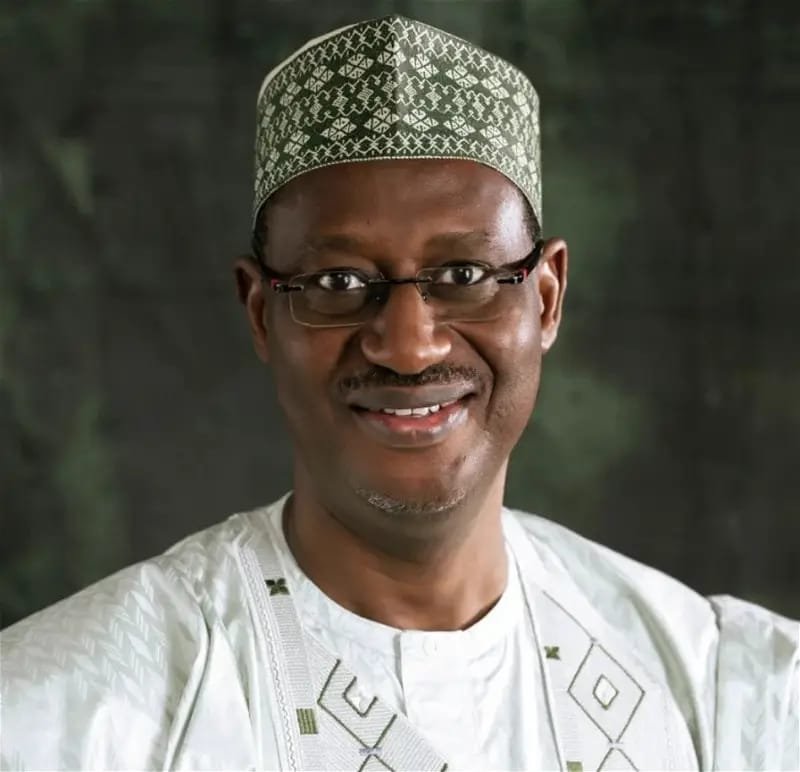
Housing and Urban Development Minister Ahmed Dangiwa called on African housing ministers to adopt innovative housing finance solutions to address Africa’s deepening housing affordability crisis, which affects 80 per cent of Africa’s population.
According to the minister, this is important given the macroeconomic challenges and rising inflation trends, which are impacting incomes and raising the level of house prices.
A statement signed by the Minister’s Special Assistant on Media and Strategy, Mark Chieshe, said Mr Dangiwa said this while speaking at the Ministerial Roundtable on the theme ‘Innovative Financing for Housing Affordability’ on the second day of the 43rd Shelter Africa Development held recently at the Marriott Hotel in Kigali, Rwanda.
The event brought together ministers, representatives and private sector stakeholders to explore new approaches to alleviating the continent’s housing challenges.
Mr. Dangiwa highlighted Africa’s housing shortage and housing affordability crisis, which affects more than 80 per cent of Africa’s population due to low incomes, difficult macroeconomic conditions and rising costs of living.
He emphasized the critical need for affordable housing solutions targeted at low- and moderate-income households, which are most affected by economic pressures.
“These factors are making it increasingly difficult for citizens to buy decent, quality housing. Year after year, affordability standards continue to rise.
“Many households who could afford to buy a home a year ago are now unable to do so because of rising construction material costs and income fluctuations. This concerns me because I believe that to have an impact, we must find ways to design, build, and accelerate the delivery of affordable housing for 80 percent of the lower and middle income percentiles of our population,” he said.
Drawing on his experience as former Managing Director of the Federal Mortgage Bank of Nigeria, the Minister shared successful initiatives implemented in Nigeria.
Dangiwa said these efforts include leveraging government funds to reduce housing costs, having local governments provide land for free, and creating expandable housing units that can expand to suit the needs and financial capabilities of homeowners.
He also highlighted the role of public-private partnerships to foster collaboration with reputable developers to build affordable housing, incorporating cross-subsidy models that offer some units at subsidized rates.
He further said that efforts to work with the Ministry of Finance to establish a N1 trillion concessional loan facility for developers and leverage pension funds to provide single-digit home loans were presented as key strategies.
Dangiwa emphasized the need to move from traditional financing models to more innovative solutions tailored to Africa’s unique circumstances.
He said solutions include providing manageable loans for home improvements to low-income households, opening capital markets to inject liquidity into the housing sector, and expanding access to credit, savings and insurance through digital financial services, especially in underserved communities.
He also acknowledged the potential for private sector-led solutions such as the Shelter Africa Housing Solutions Fund.
“For us to move forward and move the needle, we need to change our mindset and approach. We need to develop a multifaceted strategy to solve it,” he added.
Mr Dangiwa called on all stakeholders, including governments, financial institutions, developers, community organizations and international partners, to work together and share best practices.
He emphasized the importance of strong policy frameworks, effective regulatory environments, and transparent governance to build a housing finance ecosystem that leaves no one behind.
He expressed optimism that innovative financing strategies and collaborative efforts can transform the future of housing in Africa and ensure hope, opportunity and prosperity for all.
According to data from the Federal Mortgage Bank of Nigeria, Nigeria’s housing shortage currently stands at 28 million units.
