


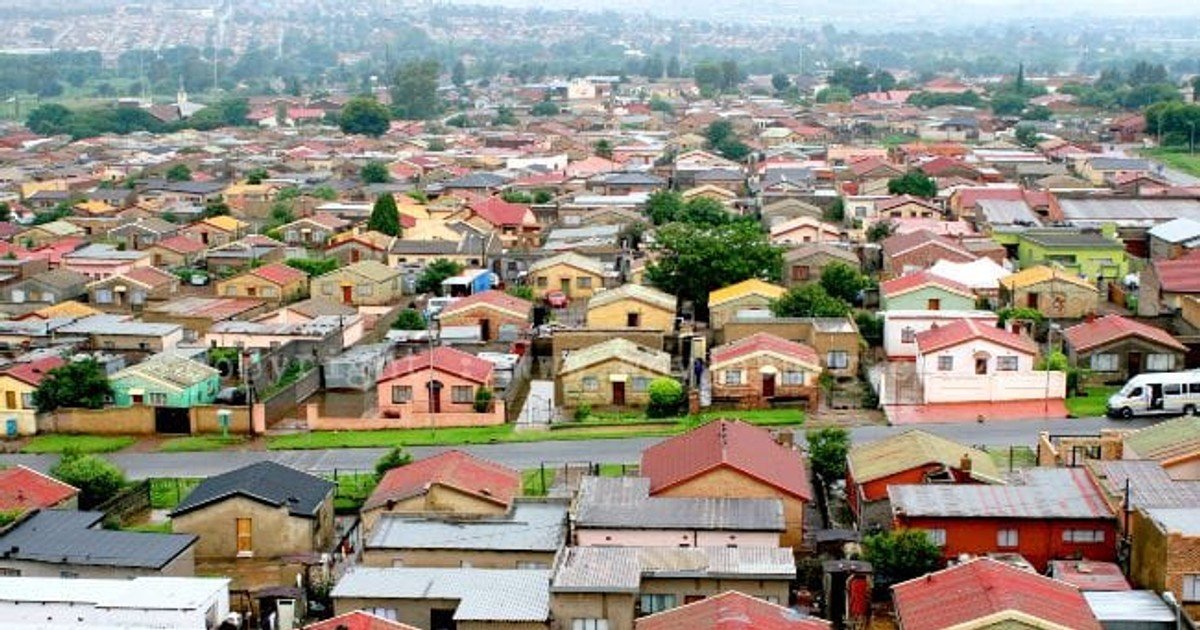
Construction has begun on the Southern Farms Megacity project, a landmark R27 billion ($1.5 billion) development in southern Johannesburg, following handover of land at the Bushcopies site camp in May 2025, property broker Ash Muller has confirmed.
The initiative responds to growing concerns about Johannesburg’s aging infrastructure and will deliver 43,000 homes, along with schools, clinics, libraries, sports facilities and roads, addressing the city’s chronic housing shortage and boosting economic opportunities for local communities.
Project scope and development
Covering 4,000 hectares, Southern Farm has seven zones that integrate residential, commercial and industrial land. Areas such as Dipkloof, Freedom Park, Eldorado Park and Naturena are expected to directly benefit from the project’s infrastructure.
The development builds on the Southern Farm Biodiversity Development Project, which was launched in 2023 to reduce environmental impacts. Developed by Sepafapaha Trading and Projects Ltd., owner Sedima Mosemedi said the project also aims to stimulate local businesses and strengthen the local economy.
Johannesburg currently faces a housing shortage of around 1.3 million homes, which could take decades to address at current construction rates, according to real estate broker Ash Muller. Gauteng authorities estimate Southern Farm will take approximately 10 years to complete.
Part of a broader metropolitan strategy
Southern Farms is part of a broader megacity development initiative across Gauteng, including Cullinan, Dagafontein, Gordland, John Dube and Stinkwater. Each development is planned as a self-contained mixed-use urban center combining residential, commercial and industrial space along major transportation corridors.
Johannesburg’s infrastructure challenges
The megacity project comes as Johannesburg faces a deepening infrastructure crisis.
Over a nine-month period, nearly 100,000 power outages were reported, including more than 5,000 severe incidents that affected multiple substations. Water losses due to leaks, illegal connections, and aging infrastructure account for about 45% of supply.
President Cyril Ramaphosa publicly criticized the city in March ahead of several Group of 20 (G20) meetings, including a summit in November.
Business for South Africa (B4SA) executives said they are considering how to allocate resources to address the city’s infrastructure problems and political instability, according to Bloomberg.
Johannesburg has a population of approximately 5 million people, generates approximately 16% of South Africa’s GDP and is home to the main stock exchange, along with major companies such as Discovery.
The city, often tagged as Africa’s richest city, is estimated to need R221 billion ($12 billion) to restore critical infrastructure such as electricity, water and roads.

Elections and urban development
As Johannesburg prepares for upcoming local elections, the opposition DA, led by Helen Zille, aims to wrest power back from the current ANC-led coalition.
Meanwhile, the Southern Farms Megacity initiative is expected to ease housing pressures, support the local economy, promote sustainable urban growth, and also serve as a strategic measure to increase confidence in the ANC-led administration that governs the city.
