


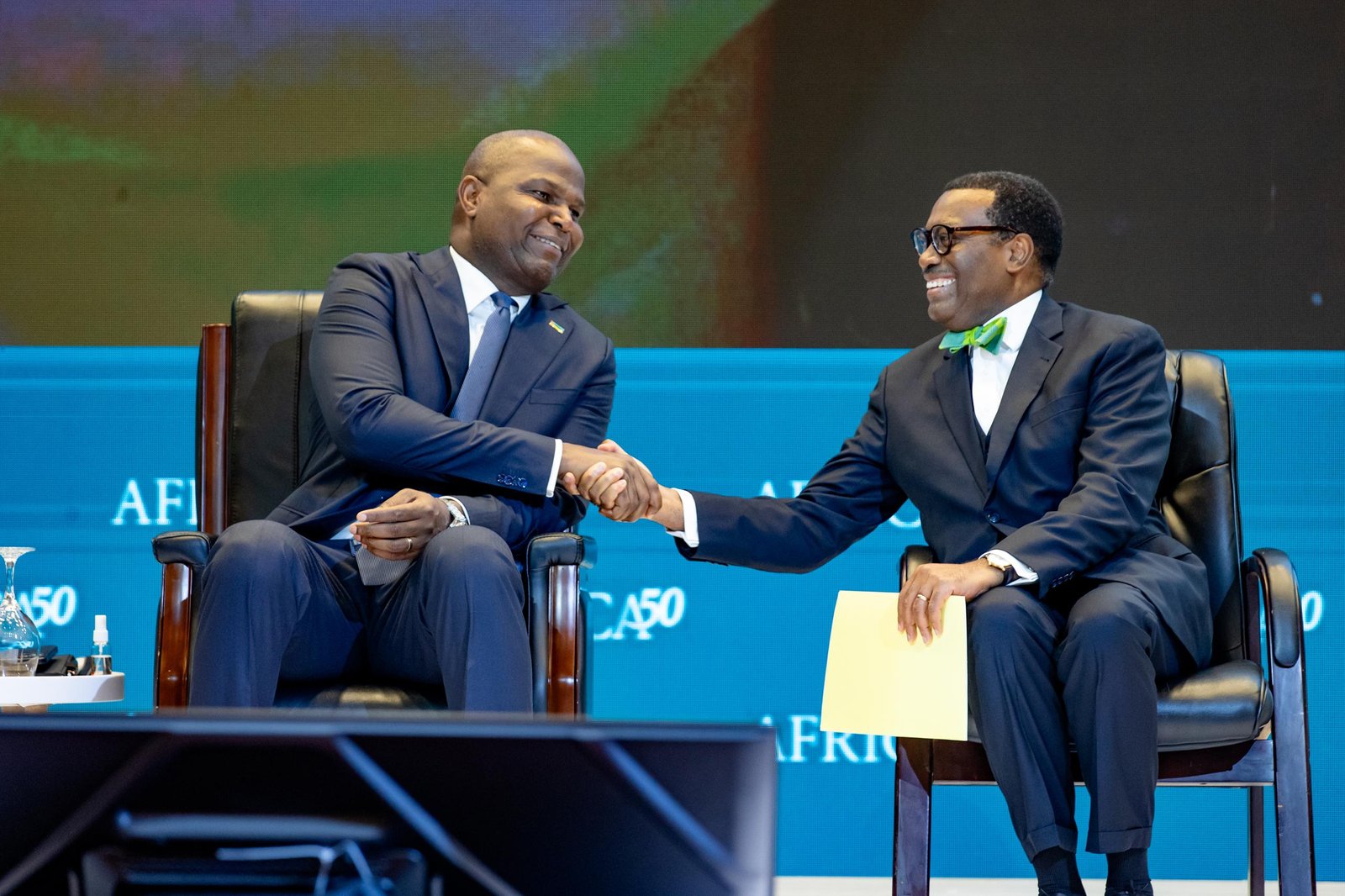
Africa50 has taken a decisive step in promoting green infrastructure on the continent, securing $118 million in initial financing for the African Green Infrastructure Alliance – Project Development Fund (AGIA-PD). The facility was announced during the African50 General Meeting (GSM) in Maputo on August 14 and aims to address one of Africa’s biggest infrastructure hurdles: the lack of bankable climate resilience projects.
AGIA-PD aims to raise a total of $400 million, with an ambition to mobilize up to $10 billion in private capital for innovative projects across renewable energy, clean transport, water, and ICT. Unlike many climate finance initiatives that wait for projects to mature, AGIA-PD is structured to intervene at the riskiest stage, funding feasibility studies, building, and permitting, which often derails African infrastructure deals before financing is complete.
The first round was led by the African Development Bank (AfDB), which contributed $40 million through a combination of grants, junior equity and commercial capital through its African Sustainable Energy Fund. AfDB Vice President Solomon Quainor described the move as a calculated willingness to absorb early-stage risks: “This is more than capital. It is a declaration to share early-stage risks to unlock Africa’s green infrastructure pipeline.”
Other supporters include the German development bank KfW, the West African Development Bank (BOAD), the UK Foreign Office (FCDO), the Soros Economic Development Fund and the Three Cairns Group through the African Climate Foundation. Their collective support reflects growing international confidence in African-led financial platforms.
Also read: Africa’s green finance space expands as sustainability-linked financing gains global credibility
Africa50 CEO Alain Ebobisse described the closure of AGIA, which was launched at COP27, as evidence that it is moving from vision to implementation. “Since its establishment in Sharm El Sheikh, AGIA has moved from ambition to realization. This milestone demonstrates the confidence of our investors and marks a decisive step in building a solid portfolio of profitable green projects,” he said.
The urgency is clear. Africa faces an annual infrastructure deficit of $130 billion to $170 billion due to climate change. Floods, droughts and extreme heat are intensifying across the continent. However, less than one in 10 African infrastructure projects completes financing, and most are stuck at the feasibility stage. AGIA-PD’s blended financial model, with subsidies and junior equity absorbing the riskiest exposures, is designed to overcome bottlenecks by creating bankability rather than waiting for it.
Also read: ICE extends climate risk analysis to private companies: Potential to revolutionize sustainable finance and supply chains in Africa
The Maputo conference underlined its ambitions with a broader series of announcements. Africa50 has signed a project development agreement with Mozambique’s national electricity company EDM to construct three high-voltage transmission lines spanning approximately 800 kilometers. Another landmark agreement with the African Continental Free Trade Area (AfCFTA) Secretariat will establish a digital system to streamline customs and border controls, while a new data center will be built in Maputo in partnership with Mozambique’s Ministry of Communications and Digital Transformation to strengthen the country’s digital backbone.

For Mozambique, the rally’s host country, the initiative aligns with President Daniel Francisco Chapo’s efforts to harness the country’s energy potential, including solar, hydropower and natural gas, to boost domestic industrialization and regional growth.
The event also highlighted the growing role of African50 as a convener of capital and expertise. Dr. Akinwumi Adesina, AfDB President and Africa50 Chair, urged African governments and global partners to “join forces around the baobab of infrastructure opportunity”, citing the baobab tree as a metaphor for collective resilience.
Also read: SADC ministers meet in Antananarivo to speed up integration and energy transition
With Tanzania confirmed as the 2026 GSM host country, all eyes are on whether the momentum from Maputo can be translated into tangible assets locally. For Africa50 and its partners, the stakes are high, with every dollar raised in the early stages expected to be leveraged into follow-on funding at between $10 and $20. If realized, the $118 million already set aside could provide more than $1 billion worth of climate-resilient infrastructure.
The success of AGIA-PD will ultimately be measured not in promises, but in the power plants, ports and digital platforms that drive a low-carbon Africa. The Maputo Accord may be remembered as the moment when the story of climate finance in Africa began to change, from promise to delivery, from ambition to life-changing infrastructure.

