


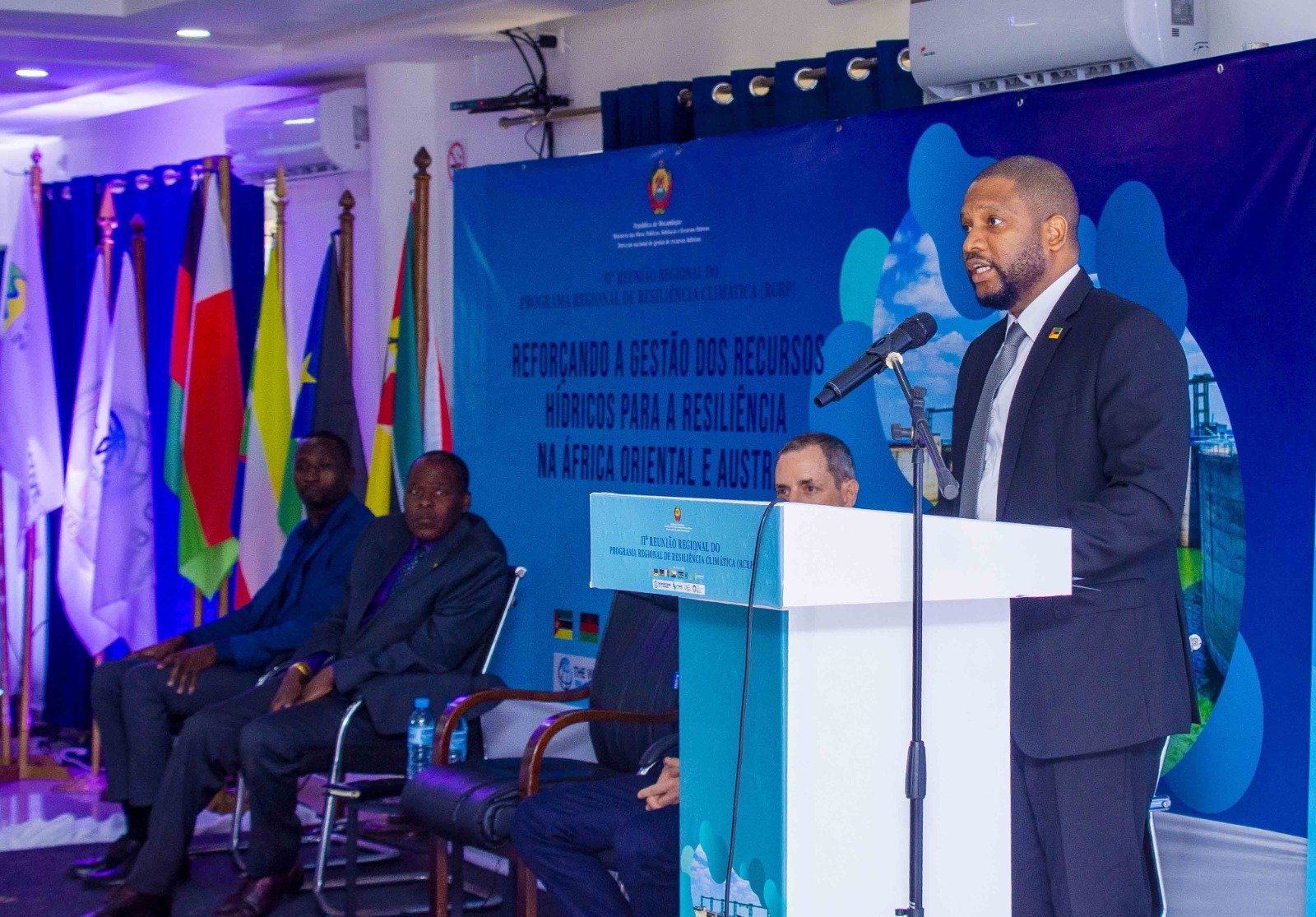
The Government of Mozambique reaffirmed its commitment to building climate-resilient infrastructure and integrated and sustainable management of water resources. This commitment was demonstrated once again on Monday (02-06) when it hosted the second meeting of the Eastern and Southern Africa Regional Climate Resilience Program (RCRP) in Ponta do Ouro, Maputo Province.
Fernando Rafael, Mozambique’s Minister of Public Works, Housing and Water Resources, announced at the beginning of the conference that Mozambique would benefit from approximately US$125 million, representing 33% of the US$382 million allocated to the RCRP. The funds will be invested in projects aimed at protecting the most vulnerable communities, ensuring water security and strengthening capacity to respond to climate change.
According to the minister, the effects of climate change in Mozambique are undeniable and increasingly severe, causing cyclones, droughts, floods and salt water intrusions, damaging basic infrastructure and exacerbating poverty.
“Over the past decade, our country has seen an unprecedented increase in extreme weather events. Given this reality, we need urgent, coordinated and sustained action focused on building strategic water storage infrastructure and promoting resilient and sustainable solutions,” he said.
Concrete actions being undertaken by Mozambique with support from the RCRP include research into the construction of the Muguje Dam in Nampula; Rehabilitation of embankments in the Inkomati, Limpopo, Buzi, Save, Zambeze and Likungo river basins, and safety assessment of the Pekenos-Libobos and Masingir dams.
Additionally, construction of an auxiliary spillway for the Colmana dam, modernization of the national hydrological monitoring network, and updating of the national hydrogeological map are planned. Research is also progressing on major reservoirs such as Moamba Major Dam and Alto Lurio Dam.
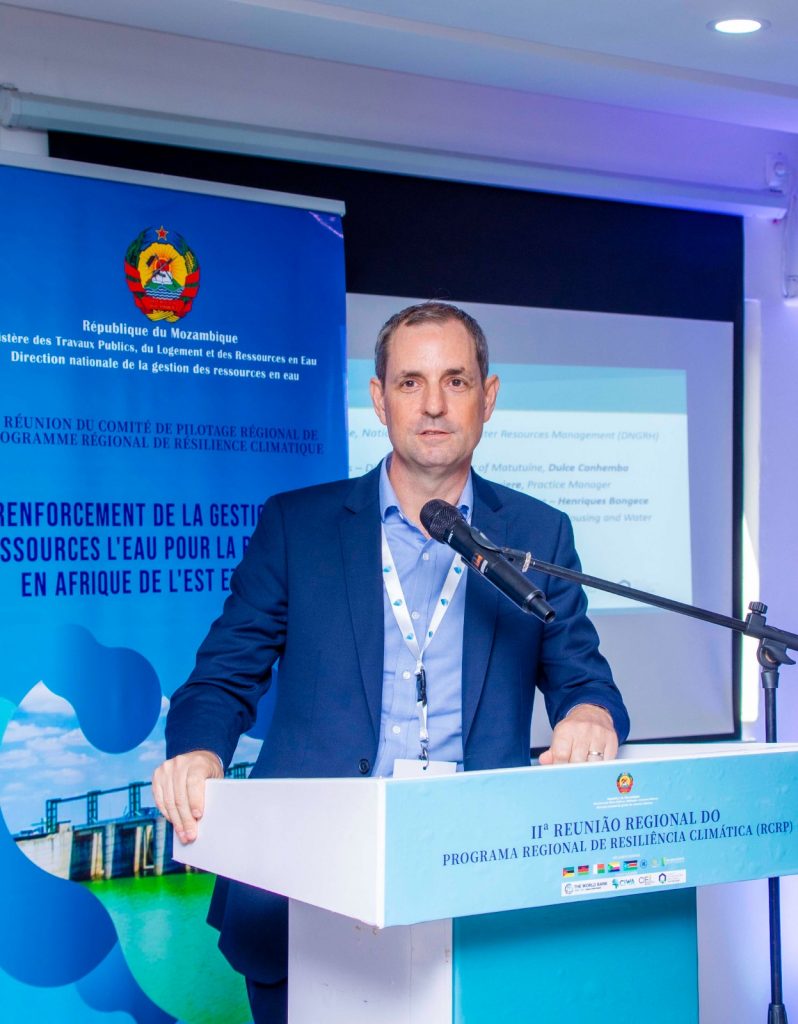
World Bank Representative Francis Ghesquière stressed that “water is essential for life, cities, agriculture and energy production” and called for responsible and collaborative management of this vital resource, especially in light of shared regional challenges.
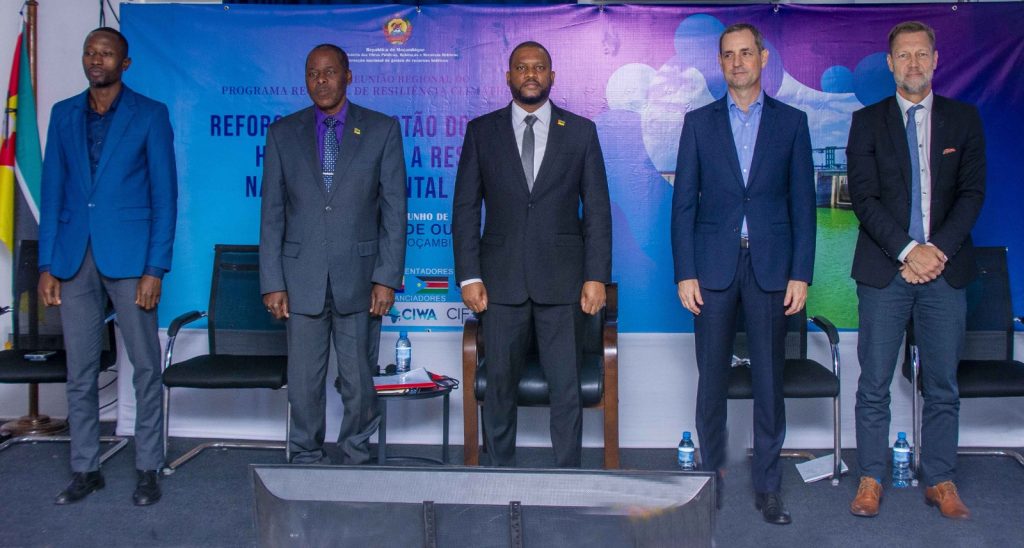
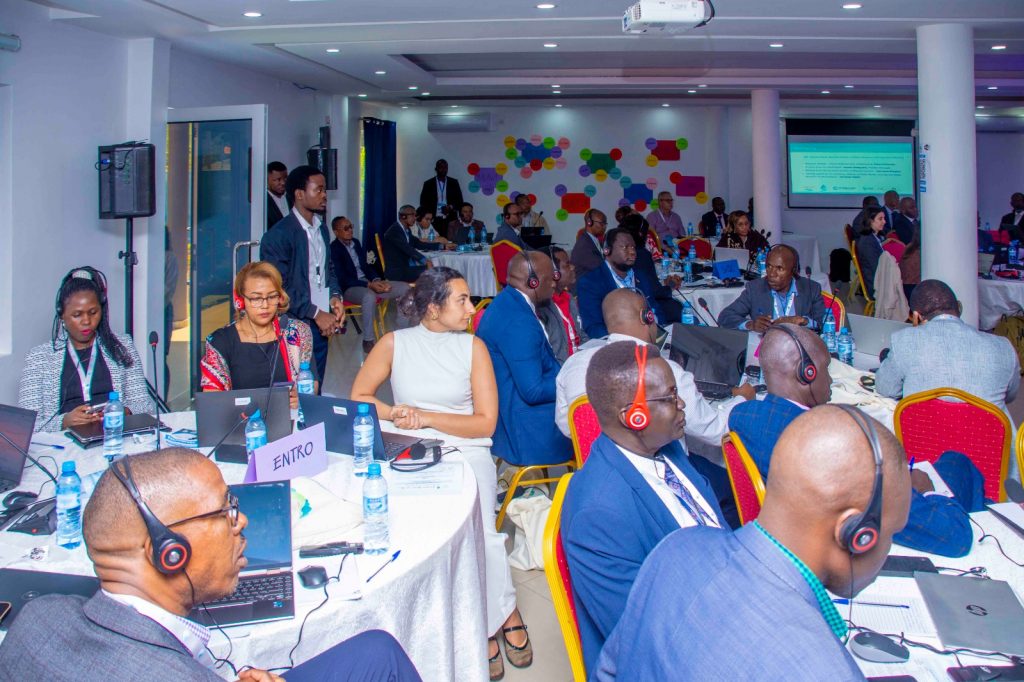
The conference was attended by delegations from countries such as Comoros, Madagascar, Malawi and South Sudan, as well as multilateral partners such as the International Cooperation in Waters Africa (CIWA) programme, the Climate Investment Fund and the Partnership for Quality Infrastructure.
The importance of cross-border cooperation in managing shared waterways, mobilizing public and private investment, and strengthening integrated climate resilience policies were reiterated during the working sessions.
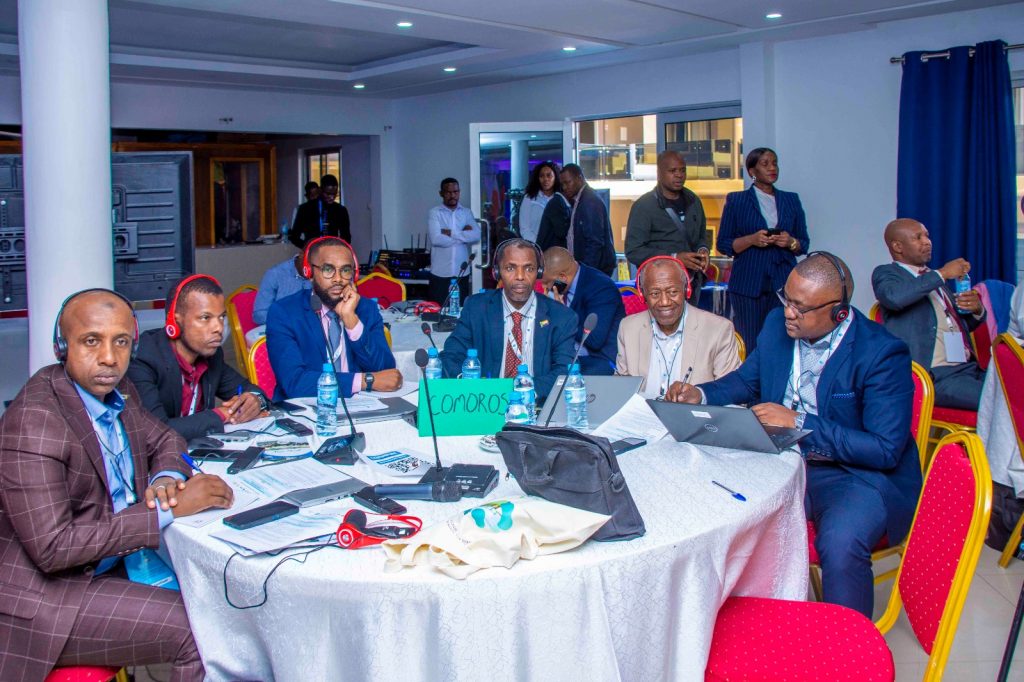
Source: Ministério das Obras Públicas, Habitação e Recursos Hídricos-MOPHRH 7 Media Release
