


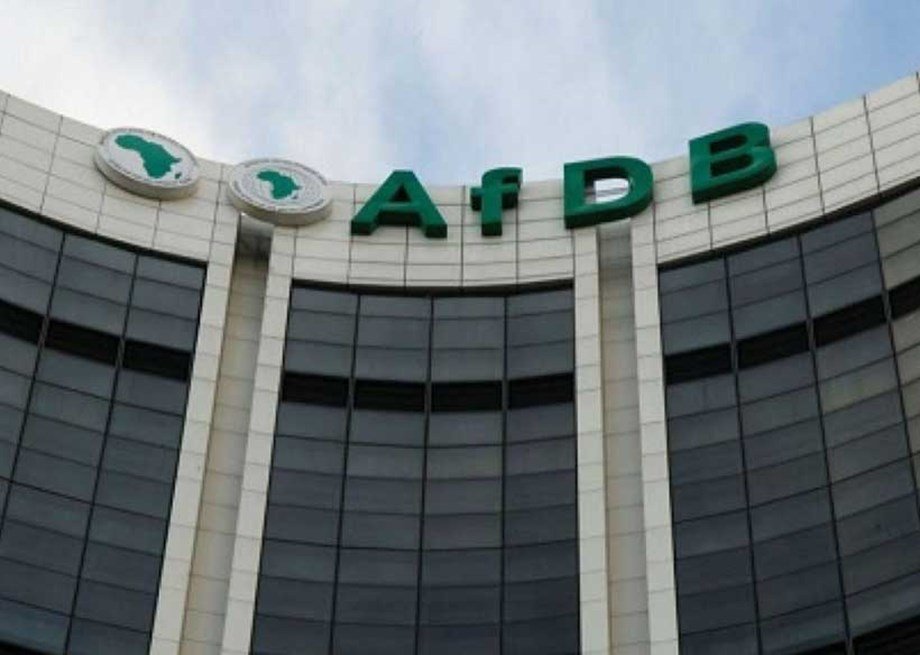
The African Development Bank Group (AfDB) and the Government of Equatorial Guinea have jointly approved a new action plan to increase the effectiveness and influence of the bank’s portfolio in the country. The move follows a comprehensive portfolio performance review aimed at improving project execution, strengthening accountability and aligning future investments with the country’s national development strategy, Agenda 2035.
The review, held in the capital Malabo from October 27 to 31, brought together senior government officials, AfDB representatives, technical partners, and project implementation teams to assess the progress of ongoing operations and identify bottlenecks impacting delivery.
Enhance portfolio performance and accountability
The review found that while AfDB-funded projects continue to make significant contributions to Equatorial Guinea’s socio-economic development, several operational inefficiencies are slowing their implementation. The main challenges identified include procedural bottlenecks such as delays in project launches, delays in establishing administrative units, and delays in issuing no-objection notices.
To address these issues, participants adopted a joint action plan aimed at:
Establish a coordinated project monitoring system to enhance oversight and accountability.
Put in place rigorous mechanisms to track contractual commitments and expenditures.
Ensures timely compliance with financial obligations and fiduciary requirements.
Build technical and managerial capacity among regional project management departments.
“The Bank is building close business relationships with project management departments and strengthening capacity development through targeted training in fiduciary management and monitoring and evaluation,” said Mohamed Gueye, Manager, Community Development and Human Capital for Central and North Africa, on behalf of Léandre Basore, Director of the Central African Banking Group.
“We are also maintaining close dialogue with our partners to mobilize more co-financing under the 2026 financing program and beyond,” he added.
Review of major projects and identification of priority areas
The portfolio review highlighted several key ongoing initiatives that represent the Bank’s strategic investment priorities in Equatorial Guinea.
Public Finance Modernization Assistance Program (PAMFP) – aims to improve transparency, efficiency and governance of public financial management.
Value Chain Development Assistance in the Fisheries and Aquaculture Sector (PASPA) – focuses on expanding sustainable aquaculture and fisheries production to enhance food security and rural employment.
Feasibility Research Project to Help Strengthen Digital Ecosystems (PARED) – aims to advance digital inclusion and technology infrastructure.
These projects are central to AfDB’s strategy to diversify Equatorial Guinea’s economy beyond hydrocarbons, promote sustainable agriculture, and strengthen human capital development.
“This exercise had several objectives: to ensure that our actions are in line with Agenda 2035, to review in detail our project portfolio, to identify shortcomings in its implementation and to assess its level of progress,” said Ladislao Ndong Ndong Biso, Director General of the Economic and Financial Institutions, representing Minister of Finance, Planning, Economic Development and Budget Iván Bakare Ebbe Molina.
“The results will help define future project directions and financing conditions,” he added.
Expanding training and development
To help improve project implementation, the review included a commissioned clinic for project managers and finance personnel, focusing on the Bank’s financial management standards, procurement procedures, and new accounting frameworks. The training was aimed at strengthening organizational capacity and reducing procedural delays that often hinder project efficiency.
“Strengthening the knowledge and management capabilities of trustees is important to ensure that projects deliver timely results,” Gueye stressed.
As part of its capacity-building efforts, the AfDB will conduct targeted workshops and technical missions in 2025 to help project management departments better understand spending rules, procurement systems, and monitoring tools.
New financing for human capital and social inclusion
In the same week, the AfDB and the Government of Equatorial Guinea signed a €58.61 million loan agreement for the Project on Strengthening Human Capital in Support of Economic and Social Inclusion (PARCH).
The PARCH initiative focuses on expanding access to education and vocational training, strengthening social protection systems, and promoting economic opportunities for women and youth. This is expected to play a pivotal role in reducing inequality and supporting the country’s transition to a more inclusive knowledge-based economy.
Field visit: Advances in fisheries and aquaculture
The AfDB delegation also visited the PASPA project site, where significant progress has been made in the construction of new aquaculture infrastructure. The project aims to strengthen value chains across the fisheries sector and improve productivity while promoting environmental sustainability.
Construction work is on track for completion in the first quarter of 2026, a milestone that is expected to drive local employment and create additional income opportunities for coastal communities.
AfDB’s long-standing partnership with Equatorial Guinea
Equatorial Guinea has been a member of the African Development Bank Group since 1975, a partnership spanning nearly 50 years. The Bank’s first financing operation, approved in 1978, supported nearly US$9 million worth of cocoa tree restoration projects.
Since then, the bank has financed 53 businesses in the country, with cumulative commitments reaching USD 337.3 million. The current active portfolio includes six projects with a total value of approximately USD 167 million, distributed across key development sectors.
These investments reflect the Bank’s strategy to strengthen economic diversification, promote social inclusion, and modernize governance institutions.
Looking to the future: Building effective and inclusive development partnerships
The approved action plan marks a new phase in AfDB’s engagement with Equatorial Guinea, with a focus on efficiency, transparency and results-based management. By establishing a stronger project oversight framework and strengthening institutional capacity, the Bank and governments aim to accelerate the impact of ongoing operations and lay the foundation for future investments.
The next steps include:
Regular joint performance reviews to track project implementation.
Accelerate payment schedules for ongoing projects.
Strengthen collaboration between the AfDB, government agencies, and development partners to mobilize additional cofinancing.
Enhanced monitoring and evaluation systems to ensure long-term sustainability.
As the country continues to implement Agenda 2035, this new collaboration with the AfDB will play a central role in achieving sustainable economic diversification, social progress and institutional modernization, setting new standards for development effectiveness in Central Africa.
