


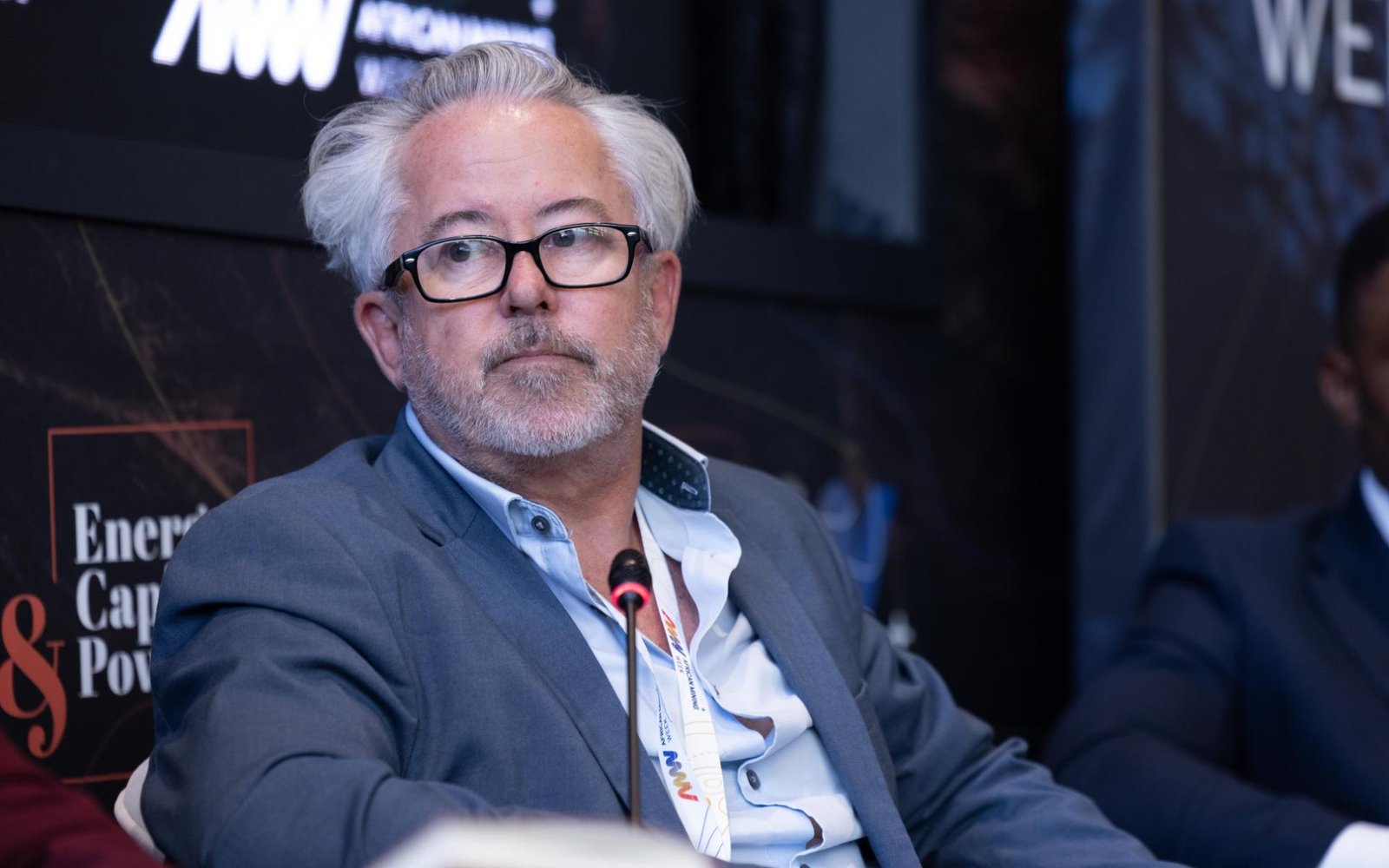
African Mining Week spoke to Richard Doyle, Managing Director of JUWI South Africa, about how the company is helping mines reduce costs, reduce emissions and improve energy reliability through hybrid and on-site renewable projects.
With increasing interest in on-site renewable solutions in the mining sector, how is JUWI positioned to meet the industry’s evolving energy demands?
With nearly 30 years of global experience and 14 years of local presence in South Africa, we bring together international best practice and deep local expertise. JUWI has completed over 20 off-grid and on-grid renewable energy projects for mines around the world. A notable example is the hybrid project at Egypt’s Sukari mine. There, they introduced the Hybrid IQ microgrid controller, developed jointly with Siemens specifically for mining applications.
This advanced system optimizes the integration of solar power and battery storage to ensure reliable and continuous power. Since implementation, Sukari Mine has reduced diesel consumption by 22 million liters each year, saving millions of dollars. Our priority is to work closely with our mining clients to develop customized energy strategies that align with their unique business objectives, including reducing the cost of levelized electricity bills, improving energy reliability, and achieving ESG goals.
Can you provide an update on JUWI’s current solar and hybrid energy projects in Africa, particularly those that support mining operations?
In South Africa’s Free State province, construction of the Sonvanga solar power facility began in May 2025. This is a 100MW grid-connected project that will supply clean energy to Glencore’s ferrochrome smelter through a consignment agreement. We are working with independent power company Pelle Green Energy on this initiative. The project is scheduled to achieve commercial operation by the end of 2026.
In Senegal, Eramet’s Grand Court office in Diogo performs the engineering and procurement of off-grid hybrid energy systems. The project will combine 20 MWp of solar power generation with an 11 MWh battery storage system to meet 20% of the mine’s energy needs. The project will reduce carbon emissions by approximately 25,000 tonnes per year. The project is expected to be operational by the end of next year.
What is the total capacity that JUWI has deployed so far and what is its future growth target?
We have built just under 500 MW of solar power capacity. This is expected to increase to just over 800 MW by the end of next year. Our goal is to maintain approximately 10% of South Africa’s EPC market share, driven by our proven track record and strong local partnerships.
What challenges do companies like JUWI face? How is your company addressing them?
Limited grid access and complex permissions processes can be time-consuming. project delays due to legal, regulatory and contractual complexities; Additionally, limited availability of skilled professionals and contractors is a major challenge in the market.
In such a rapidly evolving field, it is important to stay ahead of policy and procedural changes. At JUWI, we invest in keeping our teams informed and able to stay adaptable and effectively navigate the regulatory environment. We also plan projects realistically, anticipating potential hurdles and transparently managing client expectations from the beginning.
What key messages did JUWI share during the Resilient Energy Mix panel discussion at Africa Mining Week 2025 and what were the main takeaways from the discussion?
The discussion highlighted that mines that effectively incorporate renewable energy gain a distinct competitive advantage by reducing energy costs, increasing operational stability, and advancing sustainability goals. The panel also considered practical challenges associated with the transition to renewable energy, including well-known grid constraints and the need for access to low-cost, flexible capital.
Our main point is that execution is as important as ambition. Mining companies’ investments in renewable energy are expected to accelerate, but their success will depend on their ability to work with partners with deep technical expertise and proven experience in complex environments.
