


(mc4wp_form id=33047)
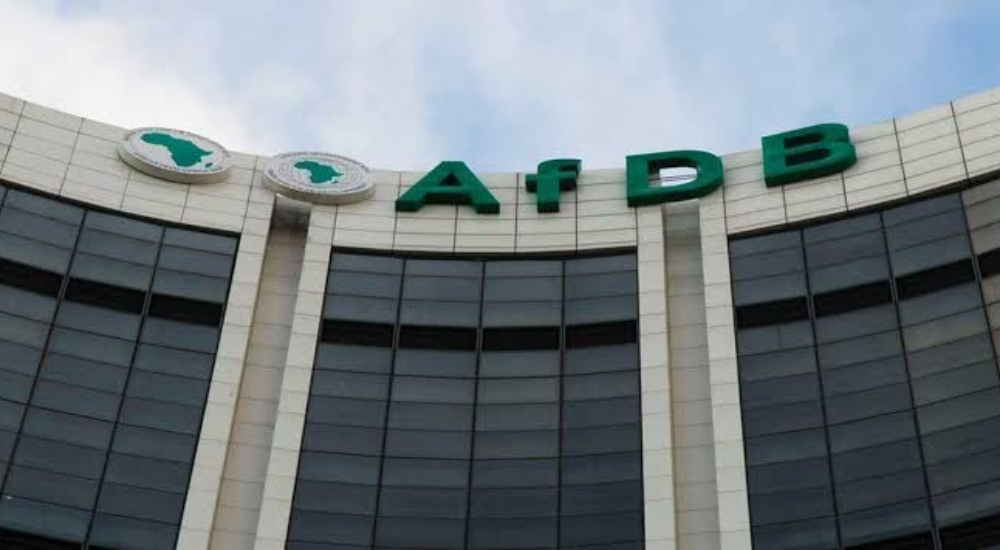
The African Development Bank Group (AfDB) convened a meeting with leaders of African stock exchanges, development finance institutions and private financial partners to develop a unified blueprint for a new African financial architecture.
The conference aimed to fill the continent’s growing development funding gap.
The high-level consultations, which began at World Bank headquarters in Abidjan, brought together more than 50 representatives of regional and continental financial institutions at the invitation of AfDB President Dr. Sidi Ould Tarr.
He said this work was critical to Africa’s economic destiny, noting that capital markets remain “an important instrument for financing African economies.”
Addressing heads of stock exchanges, private equity and venture capital funds in the opening session, Ould Tarr said African market operators must play a catalytic role in mobilizing long-term, affordable and predictable capital for governments and businesses.
“As architects of Africa’s capital markets, you are the stewards of financial institutions and the catalysts of the continent’s future,” he said.
The first meeting of its kind between the AfDB and African Stock Exchanges, the two-day meeting is focused on redefining how capital is mobilized in Africa, with particular emphasis on reforms that can unlock deeper pools of institutional and patient capital.
Dr Felix Ed Kossi Amenoumbe, CEO of the West African Regional Stock Exchange (BRVM), said meaningful reforms are needed to recapitalize African pension funds, which have traditionally been oriented towards government financing.
Participating institutions include the African Exchanges Partnership Project (AELP), Rwanda, Mozambique, Cape Verde, Nairobi, Tunis, Casablanca, the Ghana Stock Exchange, the Central African Stock Exchange and the BRVM.
Discussions focused on sustainable finance, market digitization, investment mobilization, and programs for small and medium-sized enterprises.
The main objective of the consultation is to increase the flow of capital to private equity and venture capital funds and strengthen their capacity to support small and medium-sized enterprises (SMEs), mid-market companies and emerging industry champions.
Small and medium-sized enterprises account for almost 90 percent of Africa’s businesses and more than 60 percent of employment, but they still face limited access to risk capital.
Participants also emphasized the importance of building youth financial literacy, strengthening regional collaboration, updating outdated regulations, and leveraging fintech tools to expand market access.
Mr. Donald Waweru Wangunyu, Non-Executive Director of the Nairobi Stock Exchange, highlighted the need for policy harmonization to break down structural obstacles, while Ms. Sonia Ben Hrej, Chairperson of the Tunis Stock Exchange, stressed that regulatory convergence is an urgent challenge.
Mr. Urd Tarr outlined the three pillars of the Bank’s approach to capital market development. Diversifying savings mobilization to deepen liquidity and expand market participation. and enhanced research, training and policy dialogue to strengthen capital markets actors across the continent.
Discussions with heads of African Development Finance Institutions will continue on Wednesday.
This work forms part of Ould Tar’s Four Fundamentals, which prioritize transforming Africa’s access to long-term and affordable finance and reducing its dependence on foreign development aid.
