


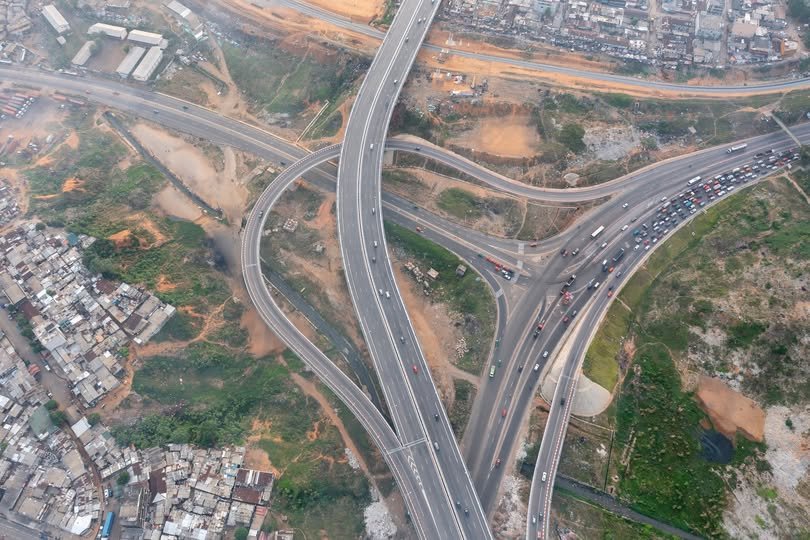
The African Development Bank has approved a US$100 million loan to the Emerging Africa and Asia Infrastructure Fund (EAAIF), a blended finance institution with a mission to leverage private capital for infrastructure projects across the continent. The loan, announced this week, aims to reduce Africa’s long-standing infrastructure gap by supporting renewable energy, digital connectivity and transport systems. Regions where demand continues to outstrip available investment and delays have a direct impact on economic growth, employment, and resilience to climate change.
Africa’s infrastructure deficit is typically estimated at between US$68 billion and US$108 billion annually. In many countries, the effects are visible in everyday life, with power lines failing to reach rapidly growing communities, ports struggling to handle modern trade volumes, and rural areas where mobile penetration is increasing but digital networks remain patchy. EAAIF’s facility is designed to bridge some of this distance by pooling concessional resources with commercial capital, allowing high-impact projects to proceed even when investors’ risk perception is high.
AfDB’s new financing forms the cornerstone of EAAIF’s broader plan to raise US$300 million by the end of the year. With this capital base, the fund plans to invest up to US$850 million in parts of Africa and Asia by 2027. Its track record has already shown how mixed structures can free up pipelines that would otherwise be stuck.
Similar arrangements in East Africa have allowed renewable power producers to reach financial close by reducing borrowing costs and absorbing early-stage risks. In West Africa, transportation corridors financed through blending equipment have shortened logistics times for agricultural exporters, reduced losses from spoilage, and increased incomes for smallholder farmers.
Also read: World’s largest climate change fund releases first joint outcome report, showing transformative impact across Africa
EAAIF managers say the additional resources from the AfDB will accelerate projects in three areas that are central to the future of African economies: renewable energy, digital services and transportation. Renewable power remains a priority, as unreliable power grids increase operating costs for manufacturers and limit the growth of small businesses.
Digital infrastructure has become equally important, especially for countries looking to expand opportunities for e-commerce, digital payments, and remote work. Meanwhile, improving road and port networks will shape everything from food prices to trade competitiveness under the African Continental Free Trade Area.
AfDB’s involvement signals confidence in blended finance as a tool to attract potentially cautious private investors, especially in low-income markets. Bank participation also provides a layer of trust that reduces due diligence hurdles and reduces the time from project design to implementation. For African governments facing climate change pressures, high borrowing costs, and increasing demand for basic services, this approach provides a path to expand infrastructure without exacerbating debt vulnerabilities.

The announcement reflects broader changes in Africa’s development finance landscape, with financial institutions increasingly being measured not just on how much capital they deploy, but also on how effectively they mobilize additional investment. As the continent’s population continues to grow and climate risks increase, the ability to turn every dollar of public finance into more than $5 of total investment becomes essential.
For communities longing for better transportation routes, clean electricity, and reliable internet, the importance of this loan will be measured not in monetary terms but in tangible improvements in daily life. If EAAIF succeeds in reaching its 2027 target, it could provide a replicable model for how to finance the infrastructure Africa needs, with public institutions lowering barriers and private capital picking up the slack.
Connect with us on LinkedIn: Sustainability in Africa matters
