


November 21, 2025
Written by Joseph Beson
Africa took a decisive step towards vaccine self-sufficiency this week, with Biovac, a leading South African biopharmaceutical company and long-time IFC client, beginning clinical trials of the country’s first domestically developed oral cholera vaccine. This milestone marks a major step forward for Africa’s health security and the continent’s ambitions to manufacture life-saving vaccines at scale.
The vaccine, which was developed in South Africa and entered clinical trials under strict global regulations, represents the beginning of a new era in which African countries produce innovative vaccines end-to-end, not just fill-and-finish products. If trials are successful, a new cholera vaccine could be approved and available by 2028, providing faster and more reliable access to vaccines during outbreaks that continue to impact vulnerable communities.
Biovac’s trial is the first of its kind in the country for a domestically developed cholera vaccine, and the effort highlights how local science and global partnerships are rebuilding the continent’s ability to address disease threats, the Associated Press reported.
IFC’s role: Funding, convening, and accelerating capacity
This breakthrough follows a multi-year commitment by the International Finance Corporation (IFC) to leverage catalytic capital, technical expertise and global partnerships to strengthen Africa’s vaccine ecosystem.
Over the past three years, IFC has played a central role in Biovac’s expansion.
1. Lead a coalition of African and global DFIs
IFC brought together a consortium of development finance institutions, including the Industrial Development Corporation of South Africa (IDC) and the European Investment Bank (EIB), to mobilize capital for Biovac’s accelerated growth strategy.
2. Direct capital injection
In 2023, IFC committed a US$7 million (Rand equivalent) loan to directly support Biovac’s scale-up and strengthen its ability to transition from normal production to new vaccine innovations.
3. Advisory support to world-class multi-vaccine factories
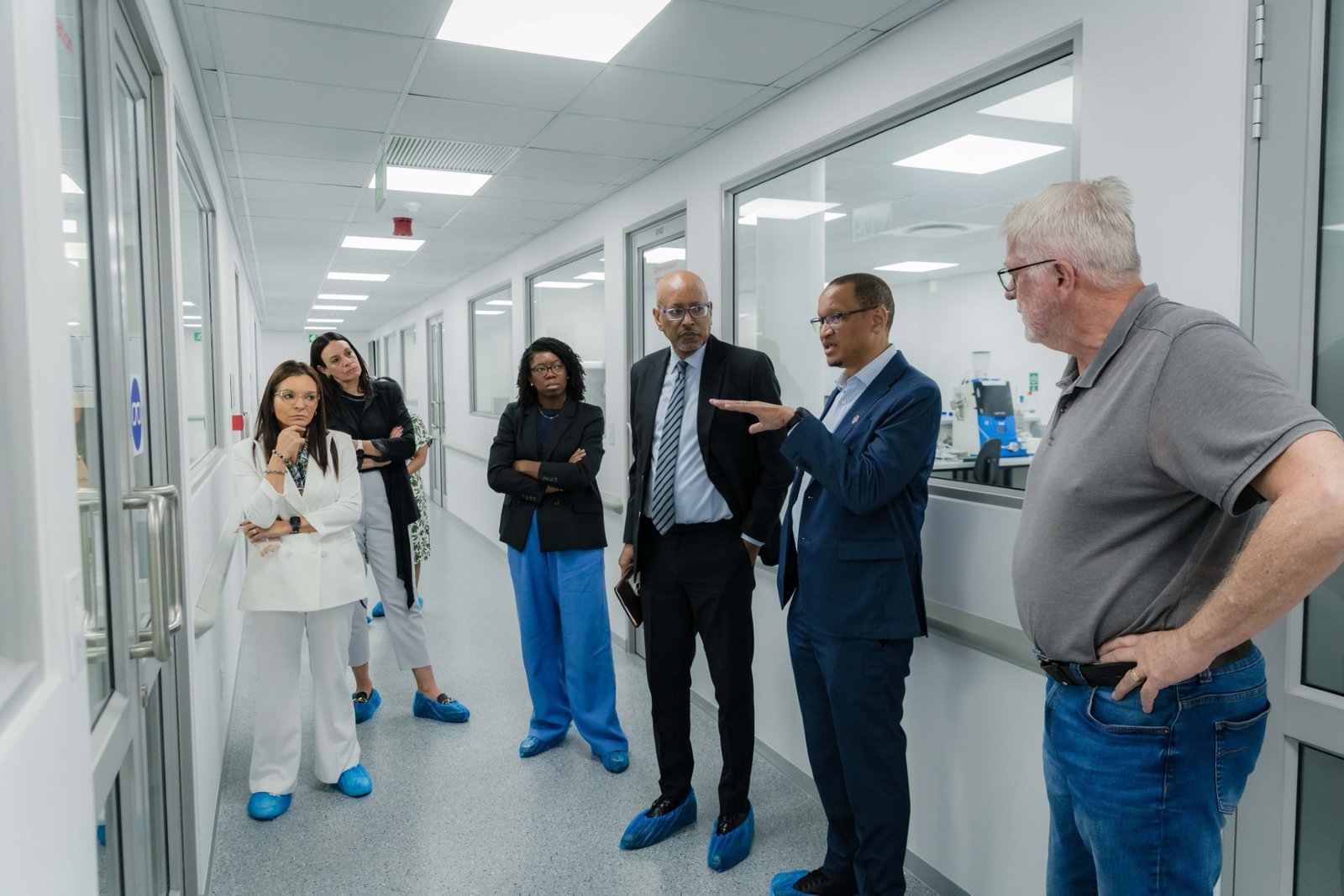
IFC is also providing in-depth advisory support to Biovac’s new multi-vaccine manufacturing facility in Cape Town.
This plant is designed to:
Triple Biovac manufacturing capabilities Adds 4-5 new vaccines to portfolio Supports both traditional and mRNA platforms Positions Biovac as continental anchor in pandemic preparedness
Once completed, this facility will be one of Africa’s most advanced vaccine manufacturing hubs and a key component of the continent’s long-term health resilience.
Why it matters: A tipping point for health security in Africa
The cholera vaccine trial is not just a scientific milestone, but a test case for Africa’s new strategy to build a domestic pharmaceutical industry that can withstand global supply shocks.
This overall effort is directly aligned with the World Bank Group’s priorities for making Africa stronger and more self-sufficient.
Local manufacturing of essential vaccines and medical products Strengthening regulatory systems to speed approvals and ensure quality Resilient supply chains to avoid shortages during pandemics and outbreaks Improving financing mechanisms to ensure countries have access to vaccines when needed
The COVID-19 pandemic has exposed the fragility of the world’s vaccine capital. Today’s developments show that African countries are decisively closing that gap.
A new vision for African-made vaccines
If Biovac’s cholera vaccine is successful, it will not only reduce dependence on imports but also provide a model for innovation-driven manufacturing in Africa. With support from IFC and a growing wave of public-private partnerships across Africa, Africa is now on its way to producing vaccines for itself and the world.
This breakthrough is an early but powerful illustration of what is possible when African science, global finance, and strategic political initiatives come together.
Clinical trials for Biovac are expected to proceed through phased trials over the next few years, with potential availability as early as 2028. This is a timeline that could dramatically increase the continent’s preparedness to combat cholera outbreaks, which have skyrocketed due to climate shocks, water scarcity, and rapid urbanization.
