


The African Development Bank (AfDB) Group and major regional development financial institutions (DFIs) will work together to fill funding gaps and mobilize additional funds for African development.
This was contained in the bank’s statement on Saturday.
Banks and institutions said the initiative aims to strengthen the development of joint projects, harmonize technical standards and improve the deployment of resources across African economies.
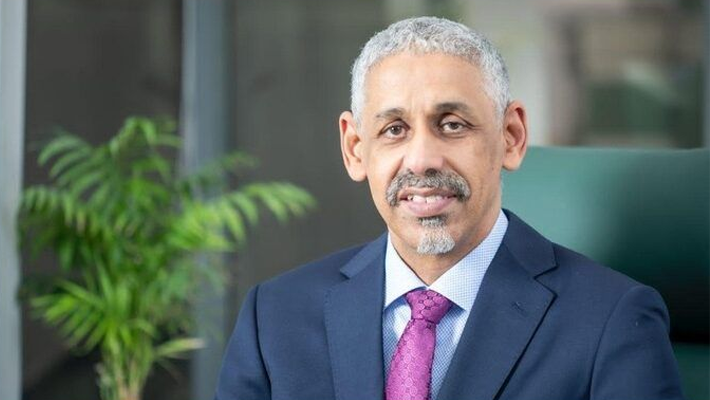
At a meeting with financial institutions, AfDB President Sidi Ould Tarr announced plans for a Pan-African Financial Coordination Platform to enhance synergies among African financial institutions and ensure efficient deployment of resources.
The meeting followed earlier consultations with heads of African stock exchanges, as the Bank seeks extensive input from the industry before the framework is finalized, the statement said.
“African countries require vast resources to meet their development needs, making it essential to strengthen collaboration among DFIs.
“Regional DFIs are closest to their beneficiaries, highlighting the need to strengthen their capital base to enable them to fulfill their mandates,” he said.
He announced the establishment of a task force to address key issues identified during the consultations, including de-risking, capital strengthening, concessional financing and liquidity support.
The Bank’s president also said he would meet with private sector leaders and global rating agencies in London in mid-December, after the final meeting on the 17th African Development Fund replenishment.
Leaders from the ECOWAS Investment and Development Bank and the Eastern and Southern Africa Trade and Development Bank participated in the meeting.
Others include the West African Development Bank, Shelter Africa and the African Finance Corporation.
Eastern and Southern Africa Trade and Development Bank President Admas Tadesse called for the use of standby liquidity mechanisms and callable capital guarantees to strengthen DFIs in the region.
Tadesse said multilateral development banks such as the AfDB have tools that can significantly reduce financing costs and increase effectiveness.
West African Development Bank President Serge Equé said political instability in the region was impacting credit ratings, and the AfDB’s AAA rating was essential to stabilizing the market.
Ekue emphasized the need to avoid duplication of efforts and deepen clarity in operational roles, saying regional DFIs are small enough to care but big enough to implement.
Similarly, George Donkor, President of ECOWAS Investment and Development Bank, called for greater synergies among African financial institutions.
Donkor emphasized the value of large partners supporting small DFIs through co-financing and syndication.
Tierno Habib Khan, CEO of Shelter Afrik, also reiterated the need for consistent coordination to improve resource mobilization and accelerate development results.
Sameh Shenouda, head of the African Finance Corporation, urged DFIs to break down sectoral silos and stressed the importance of presenting a unified African position at global events.
The Bank plans to hold further bilateral consultations to determine the most effective approach to capital allocation, said Solomon Quayner, AfDB’s Vice President for Private Sector, Infrastructure and Industrialization.
(South)
