


This article was produced in collaboration with GCC
Some of Africa’s leading chief executives and human resources experts recognized talent as a key driver of sustainable growth and innovation and outlined practical steps the continent can take to unlock humanity’s vast potential. They highlighted the importance of embedding leadership systems across the continent, citing how China, India and Singapore have integrated leadership development into their national strategies to sustain long-term progress.
Speakers emphasized that Africa does not lack talent or ideas, but rather systems that enable consistent collaboration and implementation.
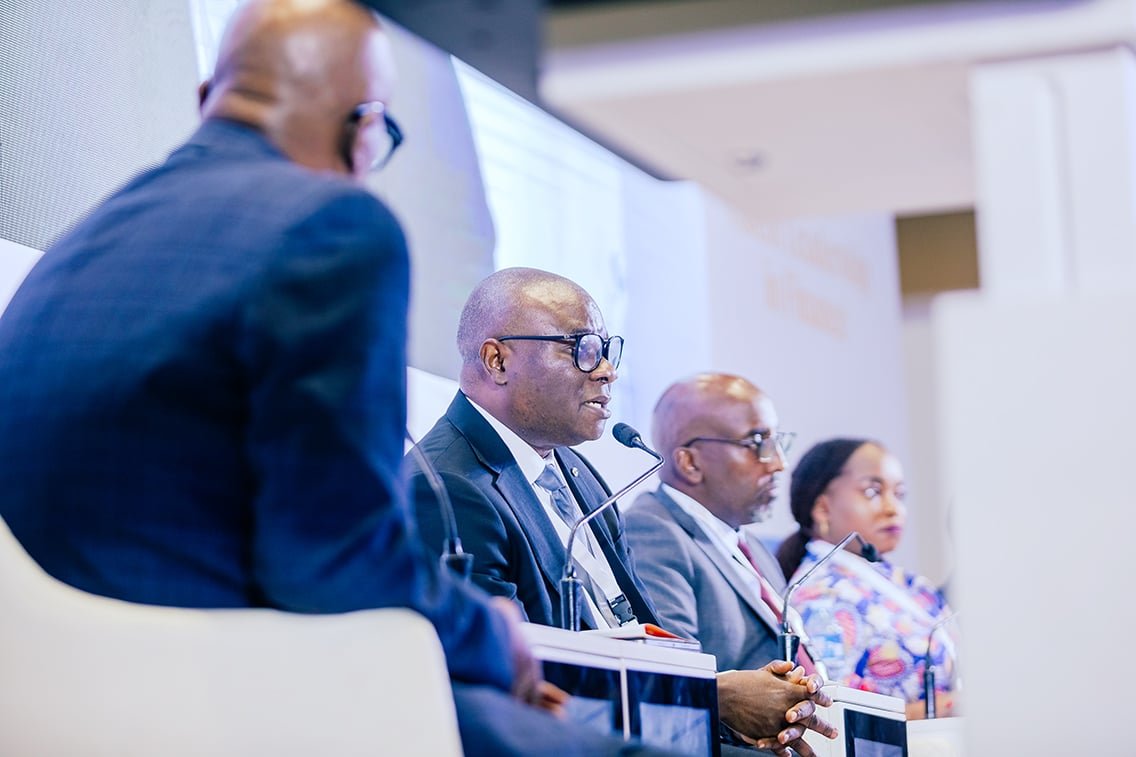
Speaking at a panel session at the Africa Forum for Talent Leadership in the Financial Sector, Mr. Oscar Onyema, Chairman of JEX Markets and former CEO of the Nigeria Stock Exchange, said Asia has shown how leadership structures can drive collaborative growth.
“In China, leadership was embedded in national development and industrialization policies. India institutionalized mobility between the public and private sectors. Singapore, despite its lack of natural resources, made leadership part of its national strategy, which led to its enduring success,” Onyema said.
He pointed out that Africa’s challenge is not creativity but continuity, saying: “Our problem is not talent or ideas, but a lack of leadership systems that outlive the individual. When you embed leadership in national strategy, cooperation becomes a structure, not a coincidence.”
Panelists agreed that cooperation between governments, institutions and the private sector is essential for Africa’s transformation.
Commenting on the ecosystem’s success, Patricia Aderibigbe, Human Resources Director at African Finance Corporation, said: “From the cleaners to the leadership team, everyone contributes to the goal. No one wins alone. Africa’s transformation cannot be achieved through individual efforts, so collaboration must evolve from a buzzword to a strategic imperative.”
“Each leader needs to think about not just how their team will succeed, but how the organization as a whole moves forward. That’s the impact we need in Africa.”
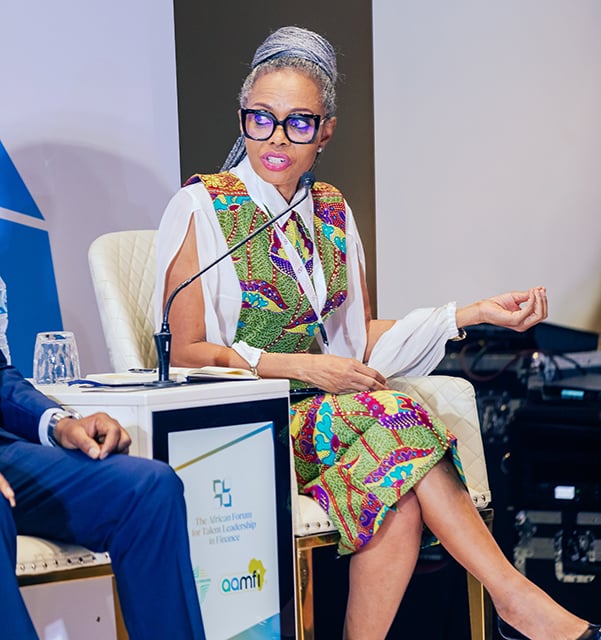
Juliet Ziswa, Chief Commercial Officer at Exceptional Brands, emphasized the importance of purpose-driven leadership.
“True leadership is something you practice, not preach. People follow consistency, not slogans. We need to measure not just results, but how those results are achieved. Teamwork, ethics and sustainability must define success,” she said.
Jiswa added that collaboration needs to be institutionalized through cross-functional teams. “When a challenge arises, we bring together the commercial, manufacturing and finance people, rather than leaving it to one department.
“Working collaboratively rather than in silos turns collaboration into a core competency.
“Often, organizations focus only on goals and overlook the culture and teamwork behind them. Of course we need results, but we also need to evaluate how they are achieved. That shift takes us from an ‘I’ mindset to a ‘we’ mindset, from individual achievement to collective success.” ”
Humphrey Oriaki, Managing Director and CEO of PAC Capital Limited, echoed the call to action, saying, “Africa is not suffering from a lack of ideas. Our real challenge is to implement the ideas. Until we put the policies into action, even the best framework will remain lip service.”
Charles Kazuka, Director of Human Capital at Shelter Afrik Development Bank, pointed to the persistent problem of working in silos: “Government, academia, and industry often speak different languages while pursuing the same goals. When HR bridges these worlds and aligns education with a country’s needs, collaboration moves from theory to progress.”
Discussions also considered how to measure and scale talent transformation.
Onyema said, “If you can’t measure success, you can’t improve it. Metrics like productivity, employee engagement, and employee participation are critical. Leadership must be present at every level, from the grassroots to the continent, and collaboration must be built into the way success is defined and rewarded.” Mr Aderibibbe argued that human capital should be treated as infrastructure on a par with railways and hospitals. “Cross-border apprenticeships and talent exchanges can build common skills. We need to define our own value systems, recognize African excellence and build systems that reflect reality,” she said.
The Commission concluded that Africa’s young population remains a major asset, but only if its productivity is increased.
“Unless we train for Africa’s future, we risk being left behind. Cooperation, structured leadership and a clear sense of purpose are key to transforming the continent,” Onyema said.
