


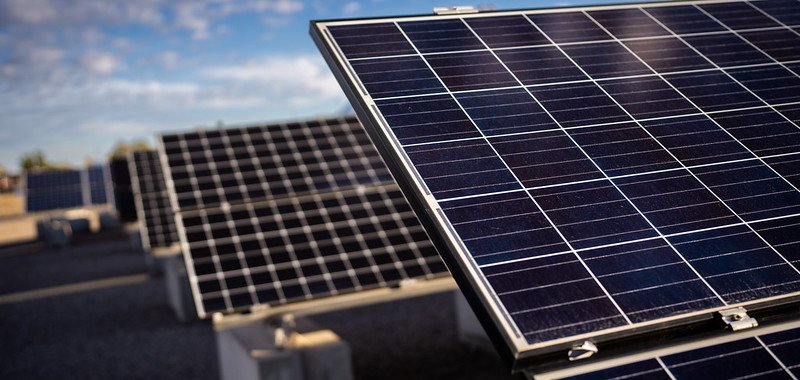
The state-owned Zanzibar Electricity Company (ZECO) has invited bids to build an 18MW solar photovoltaic (PV) power plant on Unguja Island, Zanzibar.
The deadline for proposals is January 31, and the scope of work includes 12 months of facility design, supply, installation, testing and commissioning, followed by a three-year operation and maintenance period. The estimated cost of this contract is US$15 million.
The power plant will be the archipelago’s first grid-scale solar power plant and will be located on 41.4 hectares in the Makunduchi region. It is expected to be in operation for at least 30 years. The project will include related works such as the construction of a short interconnection line to connect the power plant to the grid.
The request for bids was published on December 16th and can be viewed here.
The solar power facility is part of the US$142 million Zanzibar Energy Sector Transformation and Access (ZESTA) project supported by the World Bank. The plan aims to expand access to reliable and efficient electricity services and expand renewable energy generation in Zanzibar. An estimated 378,000 people will benefit from the scheme.
Other components of the ZESTA project include a lithium-ion 20MWh battery energy storage system (BESS) that will be installed over 1.3 hectares in the Mthoni (Garagala) area of Unguja Island. The system is expected to reduce the use of diesel-based generators to meet peak demand, as well as enable optimal utilization of solar power plants. The deal has not yet been signed and has an estimated value of US$22 million.
Source: Project EIA Report, August 2024
Additionally, the plan covers the construction of Zanzibar’s first 132kV high voltage transmission backbone infrastructure spanning approximately 94km across all three regions of Unguja Island. The dual-circuit line will run from Werezo via Ubago to Makunduchi and Matemwe, evacuating power from the proposed solar power plant and BESS and allowing for future renewable energy integration.
In July 2024, a consortium of China’s ZTT Group and South Korea’s Jongno Electric Company was awarded a 24-month US$19.4 million contract to construct the transmission line.
Along with this, a 132kV switching substation will be constructed in Veleso on the island, and two 132kV substations will be constructed in Matemwe and Makunduchi. In July 2024, China’s Sieyuan Electric Company was awarded a USD 27.5 million 24-month contract to carry out the construction work.
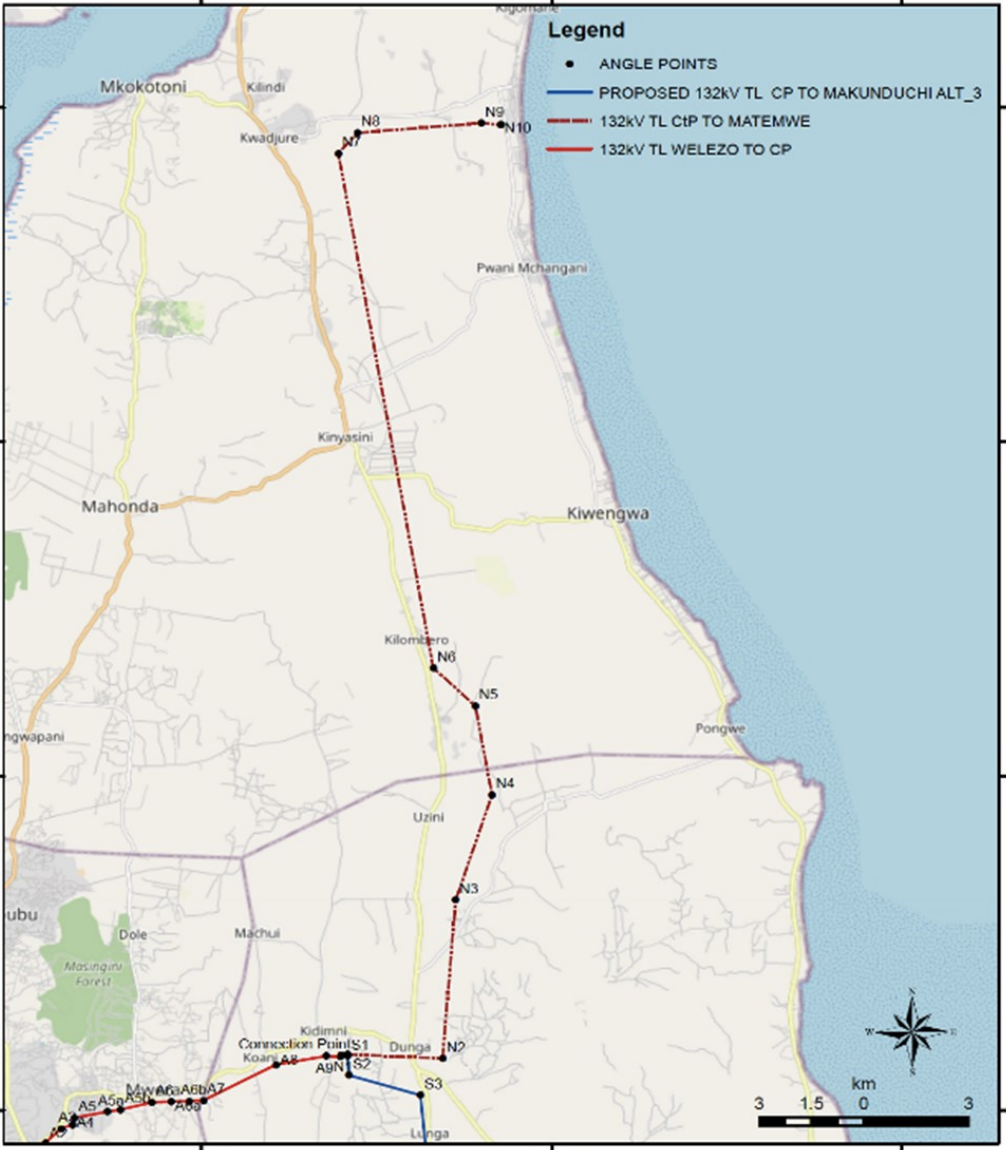
Source: Project ESIA Report, September 2022
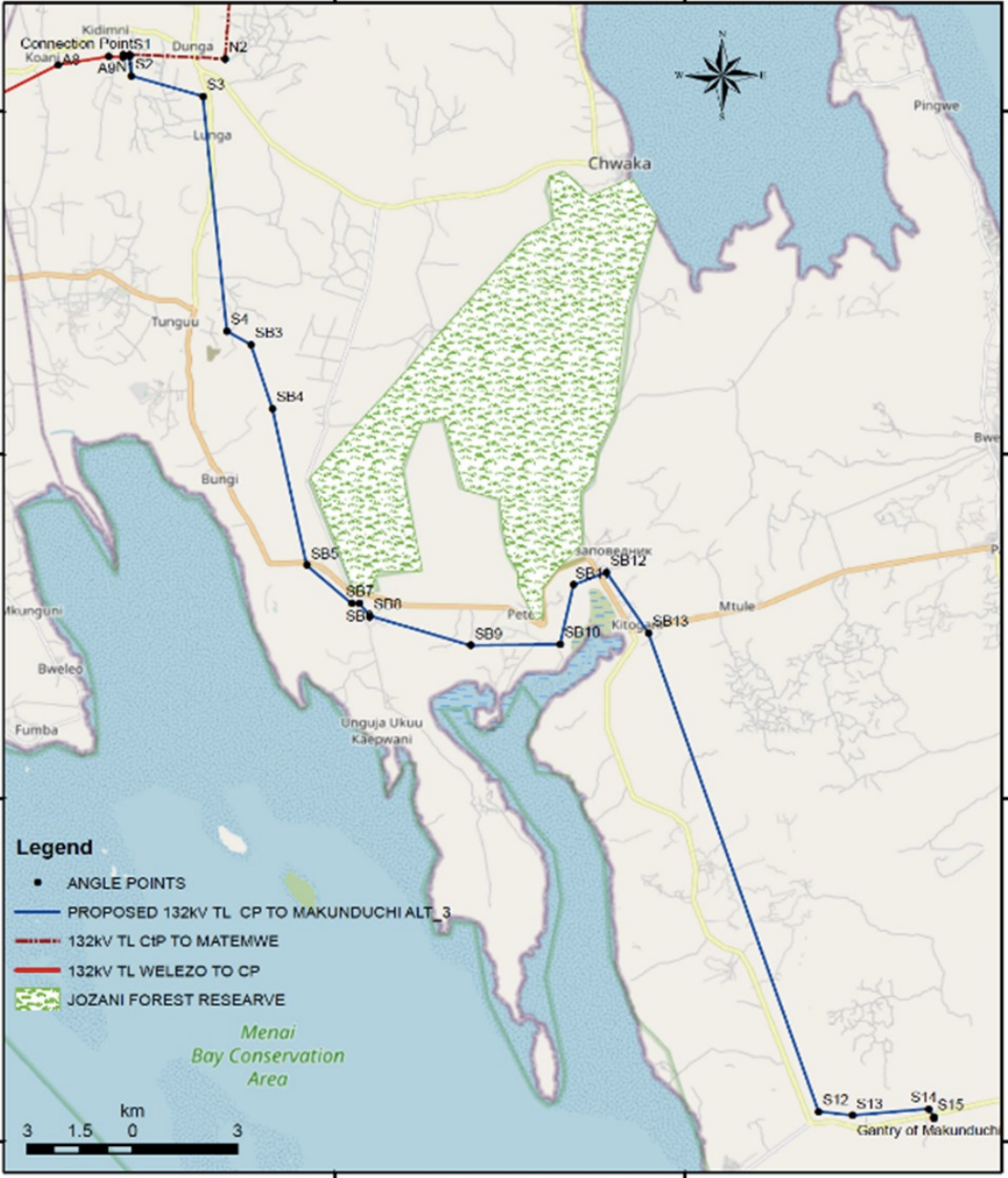
Source: Project ESIA Report, September 2022
Additionally, the project includes the design, supply and installation of a monitoring, control and data acquisition (SCADA) system and an energy management system (EMS). In late October 2024, ZECO solicited bids for the construction work by late November of the same year. The expected contract term is 30 months, including a 12-month liability period.
ZECO and the Ministry of Water, Energy and Minerals (MoWEM) are the main implementers of the ZESTA project. The plan was approved by the World Bank in June 2021 and is expected to be completed by August 2027.
The ZESTA project aims to address the major challenges in Zanzibar’s electricity sector caused by relying solely on limited electricity transmission capacity from mainland Tanzania. Unguja Island, home to over 70% of the archipelago’s population, imports electricity from Dar es Salaam through the Tanzania Electricity Supply Company (Tanesco) via a 132kV undersea cable with a maximum capacity of 100MW that began operation in 2013.
Failure to augment this supply is expected to limit supply rationing and shipments during peak demand on the island, with consumption growing at an average annual rate of about 8% from 2014 to 2019, according to forecasts.
Zanzibar’s electricity industry also suffers from inadequate power distribution systems, which lead to high technical losses and hinder reliable and efficient supply and accelerated expansion of electricity access.
To further strengthen the archipelago’s power supply, ZECO and Tanesco are considering constructing a 49.7km-long 220kV transmission line from Dar es Salaam to Unguja Island.
The link includes a 9.7km underground cable and a 40km undersea cable running from the Unio substation in Raskilomoni, Dar es Salaam, to Mtende on Unguja Island, and then extending through the underground cable to the Makunduchi substation.
Additionally, a 132kV underground cable will be laid from the Majani Mapana substation in Tanga City, Tanzania, to Pemba Island in Zanzibar, parallel to the existing 33kV line.
The transmission line will consist of a 70km undersea cable from Miyanjani in Tanga province to Mukumbuu on Pemba Island, and an underground cable laid along a 9km line from Mukumbuu to Wesha substation. The project will also involve refurbishing the substation and upgrading it from 33kV to 132kV.
A team of consultants from Cesi and ELC Electroconsult from Italy and Colenco Consulting from Nigeria is carrying out the technical feasibility study of the project, along with the conceptual design, tender document preparation and environmental and social impact assessment (ESIA). The African Development Bank (AfDB) is funding this research.
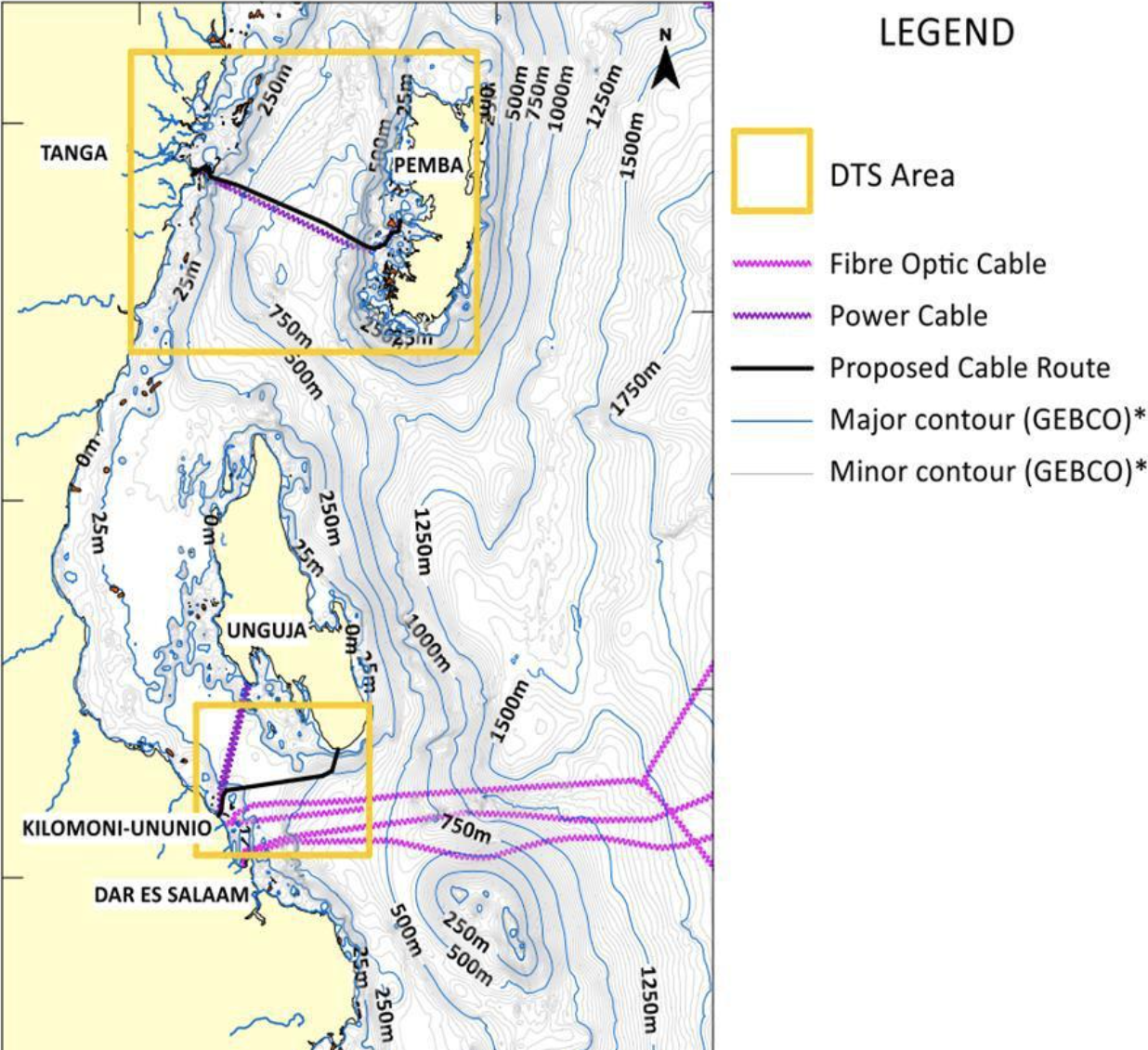
Source: Project ESIA Report, November 2024
Photo above: Solar panels (© Craig Fritz | Flickr)
