


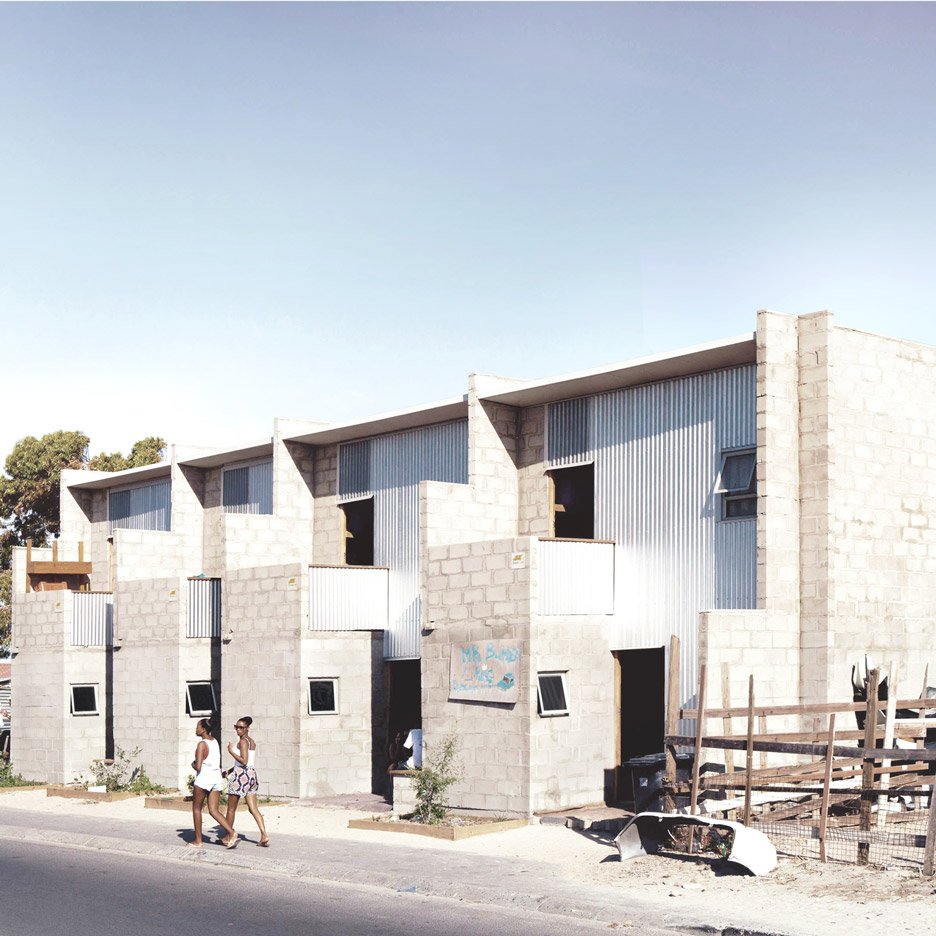
The Urban Think Tank has completed the next phase of its Empower Shack project, which will provide safe, affordable housing to residents of South Africa’s informal settlements.
Design Strategy Collective first began research in Khayelitsha, Cape Town’s second largest town, in 2012, and two years later designed and built the first four prototypes of slum replacement housing.
This year, the Urban Think Tank added a further 16 units as part of its larger goal to demonstrate adaptable ways to design safe and accessible housing units within urban planning.
This stage of the project has been longlisted for the RIBA International Awards 2018, a biennial competition recognizing the world’s best new buildings that benefit the surrounding community.
South Africa is currently facing a housing crisis, with approximately 7.5 million people living in informal settlements due to rising property prices, limited financing options and a lack of adequate housing stock.
A quarter of Cape Town’s residents are excluded from the formal property market, despite the right to access to adequate housing being enshrined in the post-apartheid constitution.
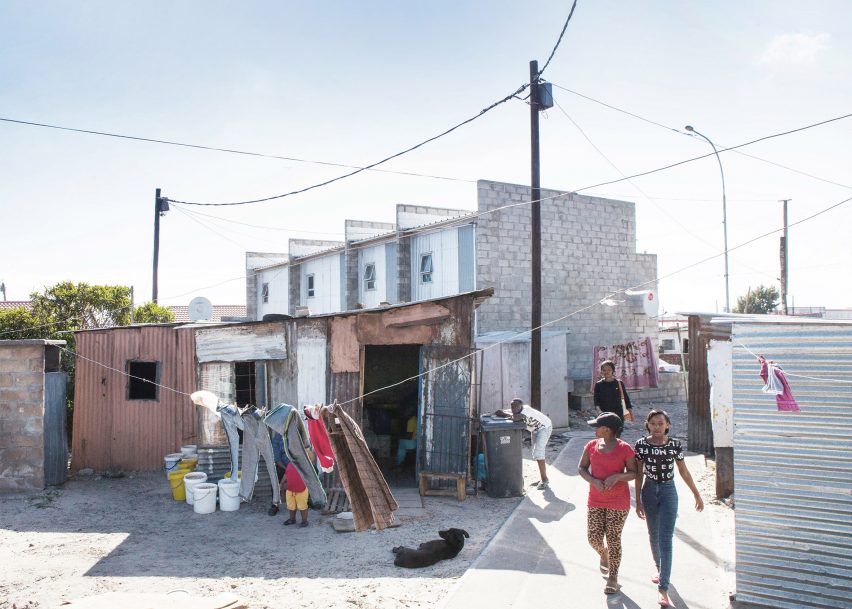
Slum housing can be difficult and dangerous, with communal taps and toilets inconvenient, and shacks are often built next to each other, creating a constant risk of fire. When services and facilities are poor, the area becomes a poverty trap from which it is difficult to escape.
Current government planning is inadequate, not building enough homes and not being flexible enough to accommodate the needs of different families.
“Alternatives have emerged since the formal change in housing supply in 2004, but the challenge is to develop a scalable, transparent and reproducible model that responds to both real-world demand, market dynamics and urban planning goals,” the designers explained.
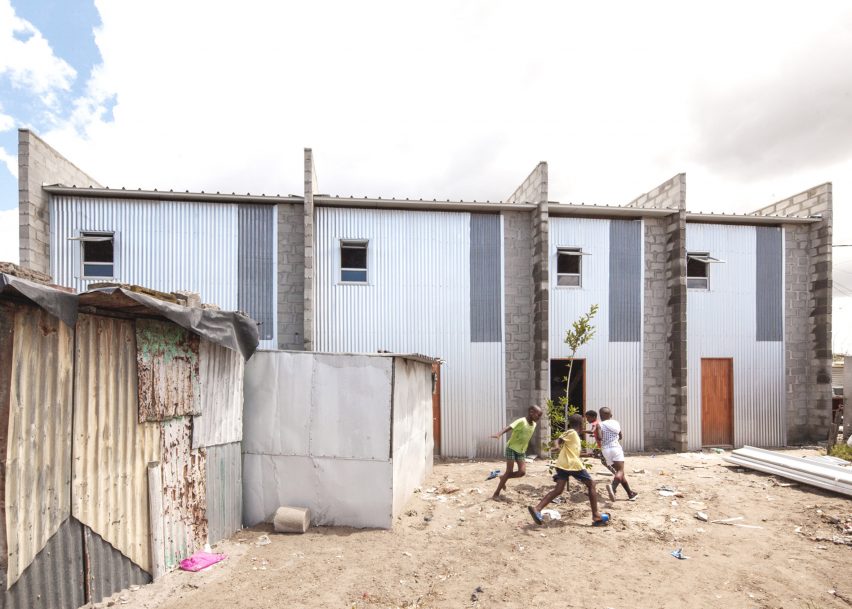
Empower Shack aims to solve these problems. The low-cost buildings take up a smaller portion of the typical slum housing area, leaving firebreak space easily accessible to emergency services.
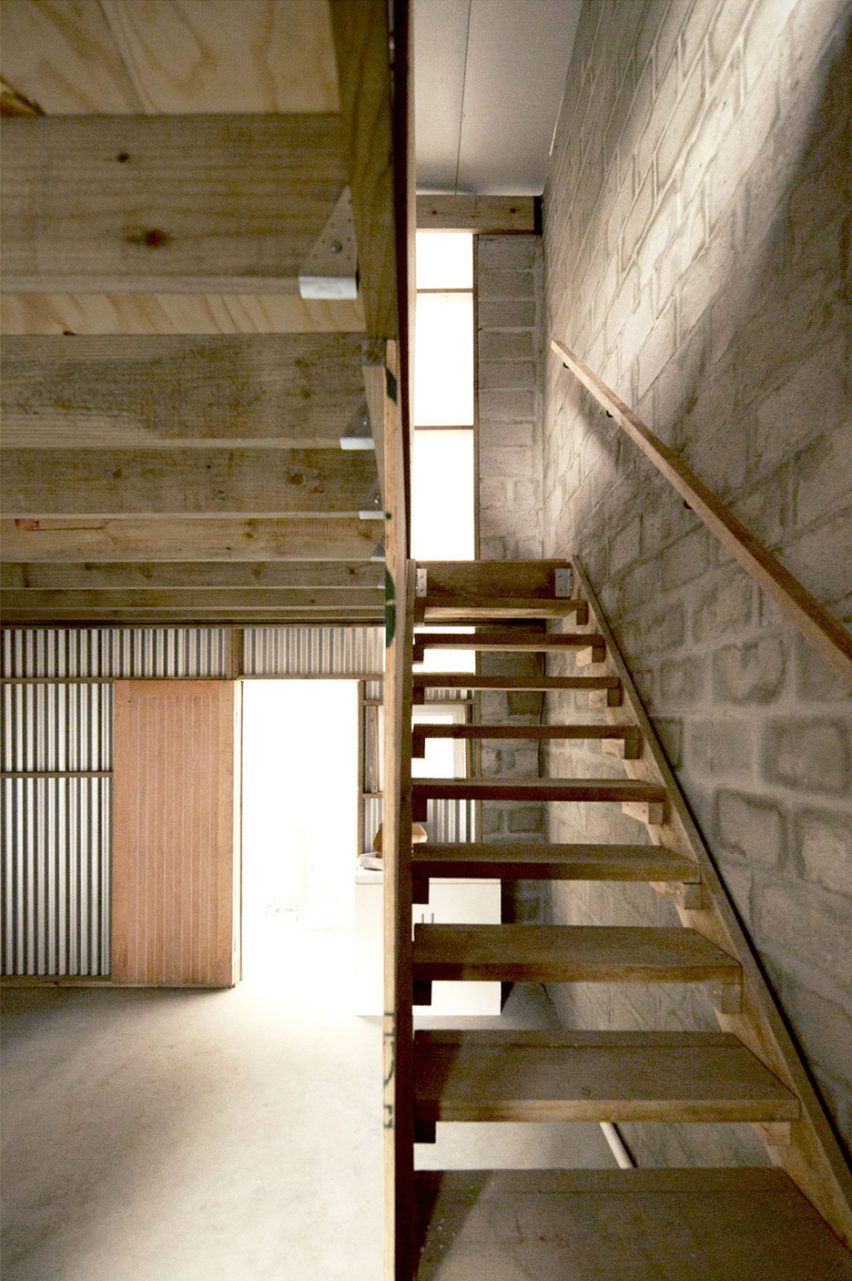
Housing is arranged around a sanitary core, with water and toilets on site. If needed, you can also add a second or third floor to accommodate different family sizes.
High accommodation density ensures that land is used more efficiently, residents stay in the same location, and community bonds are maintained. Community members who live in Empower Shack will become long-term stakeholders in the project.
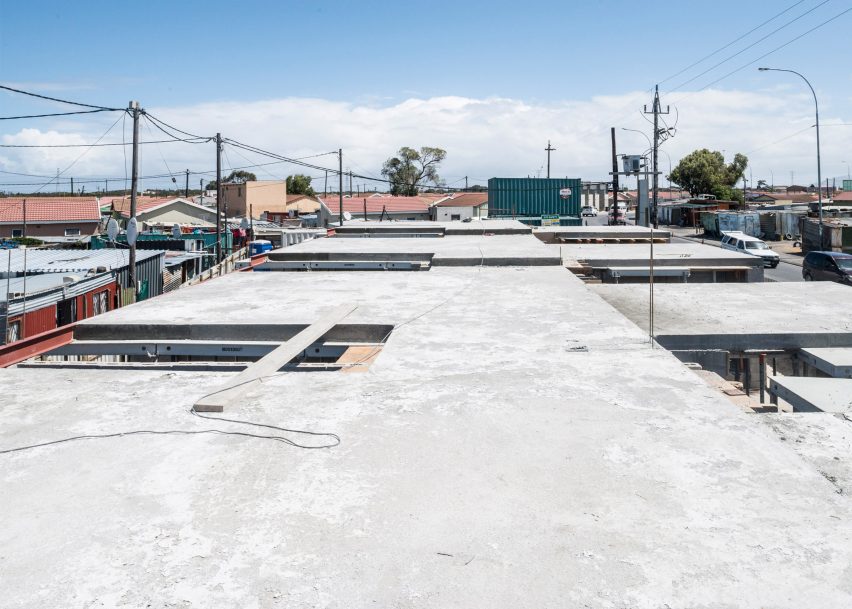
Urban-Think Tank has also developed software that makes it easy to model different urban layouts for building Empower Shacks.
Described by the team as “prioritized urban development,” users can input their individual and community needs within an urban planning framework. Various adjustable city layout scenarios are automatically replicated.
The software also produces an online 3D model that residents can access to view potential layouts and register feedback. The software is open source, so it is freely available to communities and urban planners.
As this model is scalable, the urban think tank hopes that this urbanization scheme can be used to upgrade informal settlements, provide basic services and create safe urban environments on a larger scale.
The plan also hopes to expand the economic and social potential of residents. The integrated livelihoods program includes community workshops and training in renewable energy and water management.
The planning tool also includes a microfinance scheme, so residents can take out small ethical loans when building their Empower Shack or adding another floor.
“The building units are priced to match meaningful financial contributions from recipients by designing a generous but robust living space and service core that meets building code obligations through fit-for-purpose bridging agreements,” the designers said.
Units are available in six sizes ranging from 38sqm to 84sqm and priced accordingly, with an average construction price of R160,000 (£9,494). This price corresponds to a lump-sum subsidy provided by the government to eligible households.
Residents currently pay a net average of 14% of the construction cost through microfinance programs, based on the area of the hut and the household’s affordability assessment.
In the longer term, the urban think tank wants to influence government housing policy and provide access to diverse housing for South Africa’s gap markets.
Earlier this year, Spanish architect Selgascano shipped the colorful pavilion he designed for the Copenhagen Museum of Art to Africa’s largest slum in Kenya, where it was handed over as a school for 600 orphans.

Pavilion designed by Selgas Cano turns into a school in Kenya’s Kibera slum
Project credits:
Client: BT Section Site C
Partners: Ikayarami, BT Section Site C Development Board, City of Cape Town
Local Architect: Design Space Africa
Sponsor: Swiss Re Foundation
Supported by: Vhernier and individual donors
Lead: Alfred Brillembourg & Hubert Klumpner
Coordinator: Scott Lloyd
Research team: Clara Bitter, Fernande Bodo, Axel Chevrolet, Maria Deluren, Michele de Viliers, Emma Flores, Andrea Johnson, Marcin Kurdziel, Svenya Schärfer, Irfan Safdag, Giulia Tigliè, Gregiore Farquet, Danny Wills
Collaborators: De Villiers & Hulme, Engineers / Design Space Africa / Information Architecture, ETHZ / Management Information Services, ETHZ / Transolar / PJCarew Consulting / OKRA Landscape Architects / Isidima / Arturo Brillembourg / Riverside Consulting
