


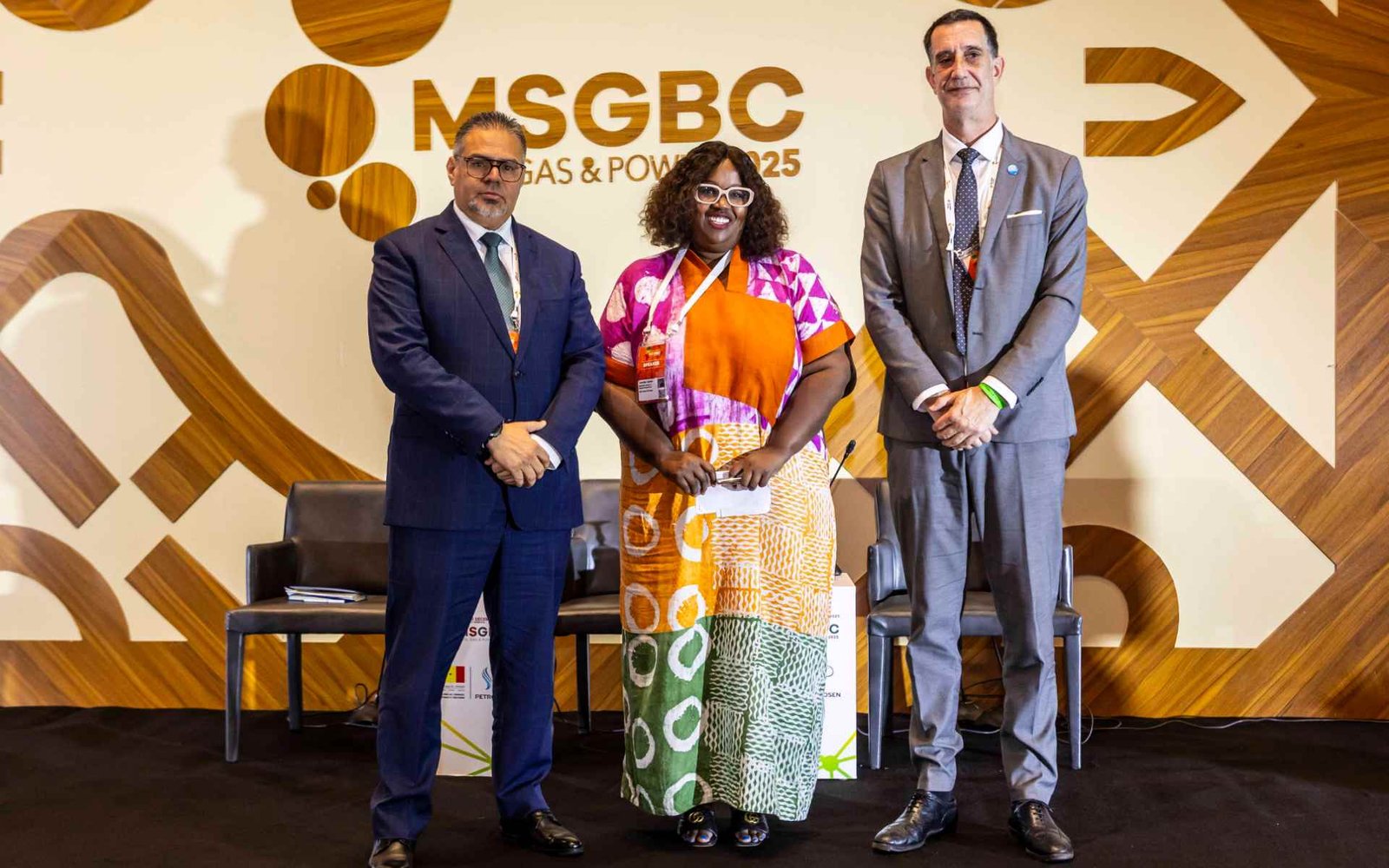
African LNG producers could gain a competitive edge against U.S. exports over the next decade thanks to favorable price trends, geographic advantages and evolving project strategies, industry experts said at the MSGBC Oil, Gas and Power Conference on Wednesday.
Rafik Amara, senior gas market analyst at the Gas Exporting Countries Forum, highlighted that nearly 400 billion cubic meters (BCM) of new LNG production capacity is expected around the world over the next 10 years, half of which will come from the United States, a quarter from Qatar and the rest from Canada, Mozambique and West Africa. However, factors limiting U.S. competitiveness could allow African LNG to gain an advantage even with global demand forecast for the same period at just 270 BCM, creating a potential oversupply.
“There is room for African LNG. When prices fell in 2020, the first to stop exports was U.S. LNG. The U.S. is not a competitive marginal producer,” Amara said. “With Henry Hub prices recently falling to $5/MMBtu, African LNG will become much more competitive once liquefaction and transportation costs are taken into account.” He added that Europe’s desire to diversify its energy portfolio will further expand opportunities for Africa.
Dominique Gadelle, vice president of early engagement gas at Technip Energies, pointed to the structural limitations of U.S. gas resources. “Given traditional resources, the United States cannot sustain this level of exports for decades. Domestic gas use may even become a national priority in the future,” he said, adding that transportation costs alone account for 10-15% of the final LNG price.
Panelists highlighted Africa’s leading position in the global LNG market. West African producers such as Mauritania, Senegal, Nigeria and Ivory Coast are closer to European markets, reducing transportation costs. East Africa’s projects in Mozambique and Tanzania are located near fast-growing Asian markets, where LNG is replacing coal and fuel oil.
Global LNG production currently stands at around 480 million tonnes, with an additional 230 million tonnes expected to come online by 2030. Gadel pointed out that most of this capacity has already been approved, with only 40-50 million tonnes per year still to be approved over the next three to four years. “There is clearly space for LNG in Africa, but it needs to be secured quickly. Time to market is critical. Projects need to reach FID by 2025 to 2027 at the latest, beyond which the window will tighten and market share will have already been allocated,” he said.
Gadel also highlighted the evolution of project strategy, noting the transition from megaprojects to medium-sized LNG trains of 2.5 to 3 million tons per year. “These sizes are better integrated in terms of technology and equipment, giving us more flexibility in the market,” he said. Smaller trains allow for staged financing, faster revenue streams and faster bank repayments, making projects more viable for African producers.
Amara stressed that governments and investors need to balance ambitions in foreign markets with domestic interests. “Gas should not be produced entirely for foreign markets at maximum profit margins while the domestic population is struggling. Using gas domestically brings value to all African countries,” he said, underscoring the need for a win-win approach.
