


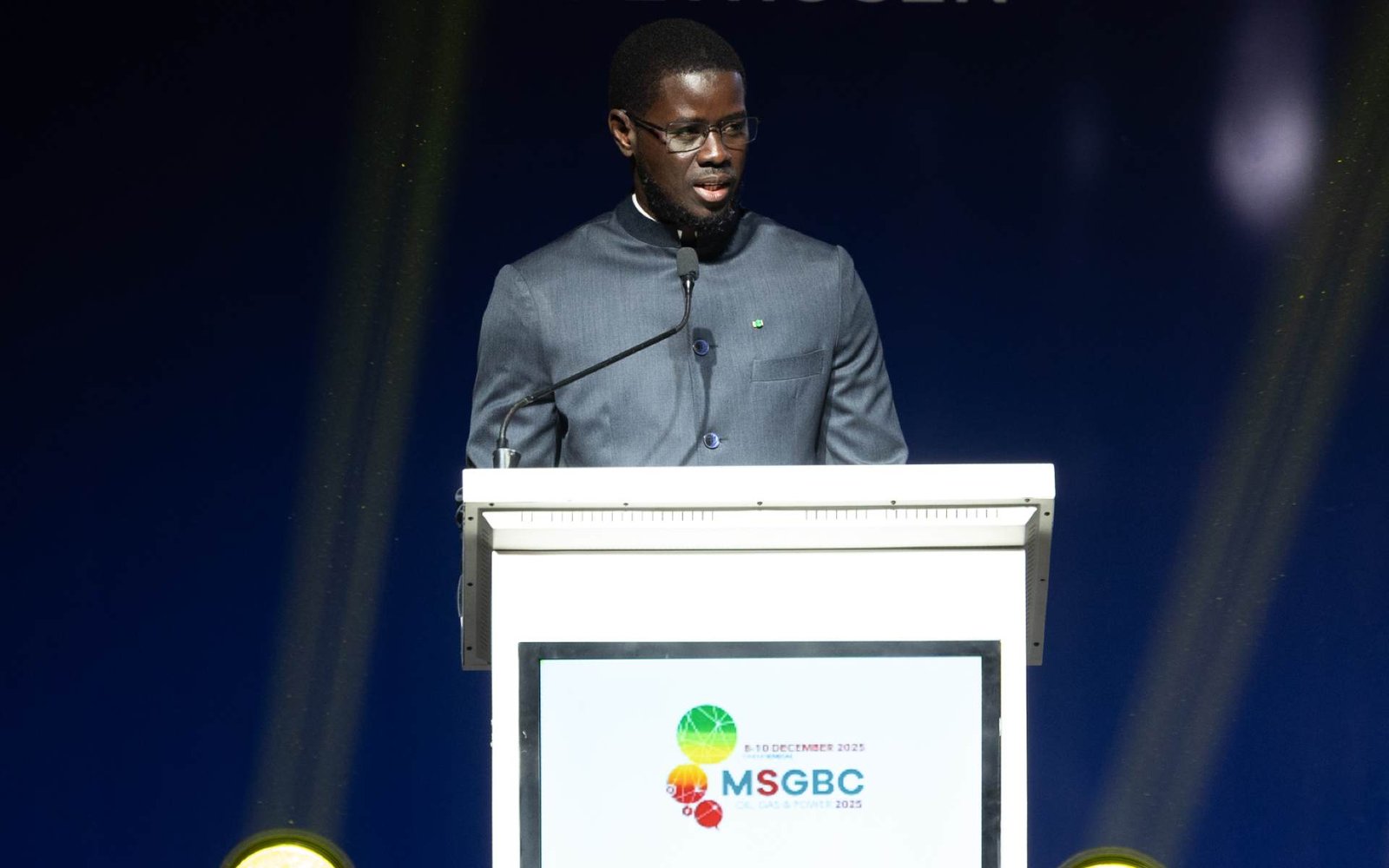
Returning to Dakar for its fourth edition, the MSGBC Oil, Gas and Power 2025 Conference last week convened local governments, international energy companies and financiers at a pivotal time for West Africa’s emerging producers. Held under the theme “Africa’s Energy, Oil and Mining: Synergies for Inclusive Economic Development”, the event focused on translating recent production milestones into long-term investment, industrial growth and regional energy security.
With the first gas spilled from the Greater Tortue-Ahmeim LNG project and the first oil delivered from Senegal’s Sangomar field, attention now turns to the next wave of development: expanding gas production, accelerating green hydrogen efforts, and expanding renewable energy for national and regional energy access. Over three days, stakeholders considered strategies to mobilize capital, advance deep sea exploration, and implement local content and infrastructure frameworks that transform energy growth into jobs, industrial capacity, and tangible economic value.
Expand gas production and advance phase 2 project
Senegal’s President Bashir Diomai Fay opened the conference by appealing to African countries to move decisively from planning to implementation, emphasizing investments that promote industrialization and job creation alongside resource development. Ministers from Senegal, Mauritania, Gambia, Guinea-Conakry and Guinea-Bissau emphasized that regulatory reform, equitable energy access and sustainable resource management are immediate priorities.
The investment needs are significant. The Senegalese Petroleum Technology Association estimates that Africa will need approximately $375 billion over the next 10 to 12 years to fully develop its natural gas resources. Deep sea exploration is accelerating, with officials targeting drilling depths of up to 4,000 meters by 2030. Meanwhile, Woodside Energy reported that Sangomar’s production has already exceeded 50 million barrels and is ready for a subsequent second stage of development.
Accelerating the growth of green hydrogen and renewable energy
In parallel with gas-led growth, the MSGBC region is increasingly pursuing diversification of its energy mix. Mauritania aims to become a global green hydrogen hub, targeting production of 12.5 million tonnes by 2035 through projects such as AMAN and Megaton Moon. S&P Global Energy also identified the basin as a promising frontier for white hydrogen development. Stakeholders emphasized expanding gas power generation, solar power generation, and clean cooking solutions to expand energy access across communities and strengthen regional energy resiliency.
The move reflects a strategic shift to leverage both traditional and clean energy resources to meet growing domestic demand, while positioning the region as a competitive player in the emerging global energy market. By integrating renewable energy and gas infrastructure, MSGBC countries can strengthen energy security, reduce carbon intensity, and attract diversified investments in the energy sector.
Investing in local capacity and infrastructure
Local content and infrastructure remain critical to maximizing economic impact. Companies emphasized the need for integrated refining, pipeline and logistics networks to capture domestic value and support industrialization. It was emphasized that workforce development, training programs and partnerships with local suppliers are essential to building long-term capacity.
As the industry grows, so too does its environmental performance. SEPCO reported that 99.6% of waste processing is now carried out within the region, reducing dependence on exports and demonstrating a commitment to sustainable operations. Through investments in human capital and infrastructure, the MSGBC Basin aims to transform energy projects into tangible outcomes such as job creation, industrial diversification, and enhanced regional self-reliance.
