


Uganda is famous for its lush landscapes and abundant water sources, but climate change poses serious threats to urban water systems. The influence of variable rainfall patterns on extreme hydrological events such as floods and droughts is becoming increasingly apparent.
Coupled with rapid urban population growth, these extreme events place stress on water supply and sanitation infrastructure, leading to frequent service interruptions and increased vulnerability to waterborne diseases.
Uganda’s urban infrastructure has long struggled to keep up with the pressures of rapid population growth and intensifying environmental change. The region is susceptible to floods and droughts, exacerbating an already dire situation, disrupting water and sanitation services and impacting public health.
“Climate change primarily affects us through excess or scarcity of water, so it is important to integrate climate change considerations into water management. Strengthening the resilience of water and sanitation systems to a changing climate complements our ongoing efforts to ensure that water is available, accessible and sustainable for current and future generations,” said Osward Chanda, Director, Water Development and Sanitation, African Development Bank.
Recognizing the urgent need for resilient infrastructure, the Government of Uganda and development partners, including multilateral development banks such as the African Development Bank and the World Bank, as well as other partners such as KfW, UNICEF and the Austrian Development Corporation, have launched a plan to revolutionize the way cities manage their water systems to account for the effects of climate variability and change. Improving water resource management is one of the most cost-effective ways to adapt to climate change, and comprehensive access to safely managed water, sanitation, and hygiene services is fundamental to the resilience of households and communities to climate change.
The third phase of the Promotion of Climate Resilient Urban Infrastructure in the Lake Victoria Water and Sanitation Project, with technical support approved by the Bank and the Climate Investment Fund (CIF) Climate Resilient Business Development Pilot Program (PPCR), aims to put climate resilience at the heart of urban water management. This will advance one of the key elements of Uganda’s fundamental climate change priorities from the 2017 CIF Strategic Program on Climate Change.
The first phase of the program was funded by the World Bank and implemented through the United Nations Habitat, focusing on 10 towns in Uganda, Kenya, and Tanzania. These were expanded in the second phase to 15 towns in the Lake Victoria basin in Uganda, Kenya, Tanzania, Rwanda and Burundi, benefiting approximately 60,000 people.
The third phase of the program builds on the lessons learned from the first two phases, emphasizing the need for infrastructure investments accompanied by institutional capacity building for sustainable water services. This Phase III, with support from the CIF Program for Climate Risk Analysis and Investment Planning, will integrate weather statistics, real-time water resource tracking, enhanced early warning systems, and measures to incorporate climate considerations into system design and build climate resilience.
The purpose is to: Strengthen the durability and reliability of water supply and sanitation infrastructure to withstand climate-driven extremes. Incorporating advanced technological solutions and green infrastructure to improve the adaptability and efficiency of water and sanitation systems. and fostering good governance and community participation in water management to ensure solutions are sustainable and locally relevant.
A consistently clean water supply and effective waste management reduce health risks posed by inadequate water and sanitation.
The first step is to conduct vulnerability assessments in major urban centers to pinpoint weaknesses in the infrastructure. Next steps include implementing resilient water and sanitation supply systems in cities to ensure year-round access and services. It also includes increasing adaptive capacity by strengthening regulatory frameworks to improve extreme event preparedness and emergency response planning, which is necessary in regions prone to rapid climate change.
Water monitoring and distribution in Uganda’s cities will be transformed by implementing smart grid water technology that adjusts to usage and supply in real time. This technology can significantly reduce water shortages during droughts and water flooding during heavy rains.
Anthony Nyong, Director of Climate Change and Green Growth at the African Development Bank, said: “The Bank remains committed to climate-proofing Uganda’s urban water and sanitation systems as a transformative step to strengthen community resilience and promote sustainable development. By making water and sanitation infrastructure climate resilient, our goal is to ensure that all citizens have access to clean water and sanitation, improving health and quality of life in urban areas.” In this regard, this technical assistance demonstrates our dedication to building resilient infrastructure in Uganda that can grow in the face of environmental and climate uncertainties. ”
An estimated 500,000 residents of Gomba, Bugadde and Rakai cities stand to benefit directly, especially those living in informal settlements where infrastructure has traditionally been inadequate.
The long-term benefits of the project, by strengthening urban water resilience, will make Uganda a more attractive country for economic investments that promote sustainable development. The project will also serve as a model for similar regions facing climate change challenges, demonstrating the benefits of active climate adaptation and community engagement.
Uganda’s proactive approach to integrating climate considerations into the planning of urban water and sanitation systems is a positive move towards sustainable and resilient urban development. This not only addresses current challenges, but also sets a precedent for other countries to ensure that urban areas can thrive despite the increasing unpredictability of global climate patterns.
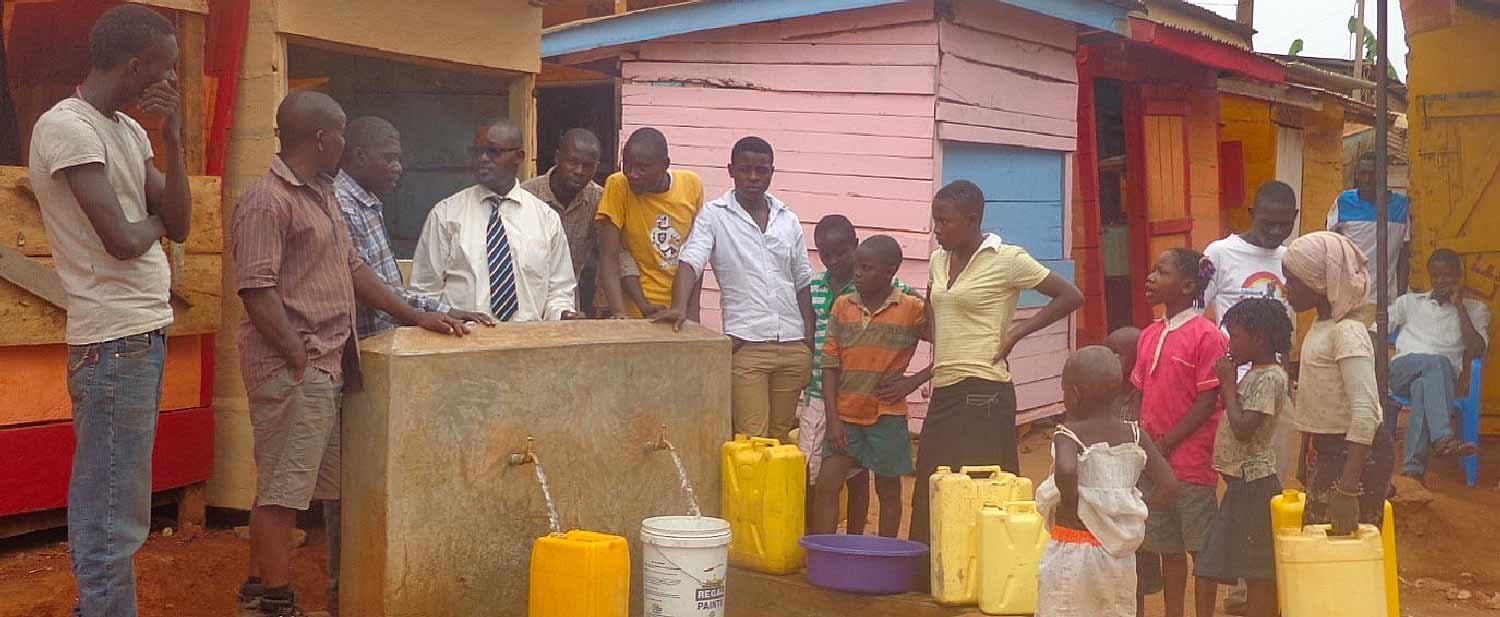
Minister of Water and Environment interacting with local beneficiaries at Bwama Water Treatment Plant (LVTAWSAN Phase II)
