


The Steering Committee of the Post-COVID-19 Skills Development and Productivity Improvement Project (PSDPEP) called on implementing agencies and key stakeholders to deepen their commitment as the project prepares to deliver strong outcomes in 2026.
The appeal was made during the project’s second and final steering committee meeting of the year held in Peduas, Eastern Region, where members approved the 2026 budget, work plan, audit report and other statutory documents. The meeting also considered implementation challenges and proposed measures to ensure smoother implementation over the coming year.
Steering Committee Chair David Crotty-Colison said PSDPEP’s overall progress was encouraging despite initial administrative setbacks. He expressed optimism that implementation will significantly improve in 2026 if stakeholders remain fully engaged.
“We only have two years left to complete this project, which means we need to put in a lot of effort over the next year to ensure it is a strong success by 2027,” Collison said.
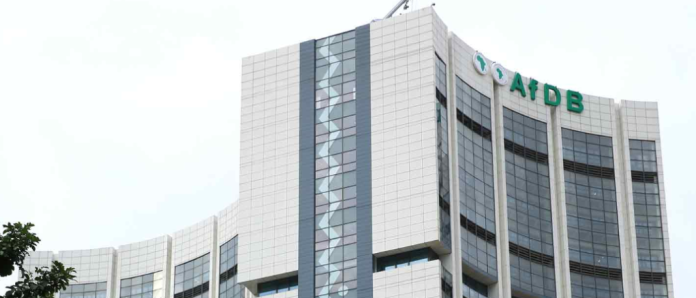
PSDPEP is a five-year development initiative funded by the African Development Bank (AfDB) with additional support from the Government of Ghana. The project aims to support Ghana’s socio-economic recovery from the COVID-19 pandemic by building human capital, restoring livelihoods, increasing productivity and fostering private sector growth. It is scheduled to start in 2023 and end in 2027.
Collison, who is the Coordination Director with oversight responsibility for the Ministry of Finance’s External Resource Mobilization Unit, emphasized that 2026 will be a key year for achieving the project’s core objectives. He called on all implementing agencies to prioritize timely implementation of approved activities and maintain transparency in financial management.
Abbas Nurudeen, CEO of the implementing agency, the Social Investment Fund (SIF), said the project had reached a significant level of implementation. He cited progress in infrastructure restoration and capacity building interventions across several beneficiary institutions.
He added that an agreement was signed for the development of a research center at the University of Ghana and scholarships were provided in the fields of biomedical and biotechnology. He said the microcredit component of the project, which supports micro, small and medium enterprises (MSMEs), has also started disbursing funds through participating financial institutions.
In March 2025, 17 graduate students received research grants under PSDPEP to support innovative healthcare research in Ghana. The 10 students and 10 PhD candidates from Ghana and the West African sub-region were selected by the Department of Medical Microbiology, Faculty of Medicine, University of Ghana. Their research focuses on using synthetic peptides, monoclonal antibodies, and natural products to fight infectious diseases.
Mr. Nurudeen stressed that approval of the 2026 budget is essential to maintain momentum. “With the budget approved, all major obstacles to taking the project to a higher level next year have been removed,” he said, urging stakeholders to pay close attention to each element.
The CEO said that although initial delays affected some components, steady progress was made throughout 2025. He highlighted improved collaboration among implementing agencies such as the Ghana News Agency (GNA), the Microfinance and Small Loans Center (MASLOC), the Technical and Vocational Education and Training Service (TVET), the Ghana Enterprise Authority (GEA), the Faculty of Nursing, the Faculty of Biotechnology and the Faculty of Microbiology of the University of Ghana.
Meanwhile, Managing Director of ARB Apex Bank, Alex Awuah, praised the impact of PSDPEP on small and medium enterprises. He revealed that CHF52 million has so far been disbursed to beneficiaries through local banks and participating financial institutions.
Mr Awua said steps had been taken to improve loan recovery after the initial difficulties, adding that the recovery rate had reached nearly 70% against the target of 90%. He explained that banks have strengthened monitoring of loan utilization and provided technical support to borrowers to ensure proper deployment of funds.
The Managing Director of ARB Apex Bank expressed confidence that recovery rates will improve significantly as companies stabilize and start generating returns from their investments. He encouraged beneficiaries to comply with their repayment obligations to ensure the sustainability of the credit facility and enable more entrepreneurs to access capital.
PSDPEP was funded through a grant scheme totaling US$31.3 million, including US$28.5 million from the African Development Bank and US$2.8 million from the Government of Ghana. The project aims to build health-related skills in higher education, restore livelihoods, strengthen public communication and create jobs for youth and women.
The project will address critical gaps exposed during the COVID-19 pandemic, particularly among the healthcare sector and MSMEs, which have been severely affected by lockdowns and economic disruption. According to post-COVID-19 survey data cited at the start of the project in January 2023, employment in around 70% of establishments within the informal sector was affected. Three months after the peak of the pandemic, there was a recovery, but at a slower pace.
Beneficiary institutions include the Ghana News Agency, the Social Investment Fund, MASLOC, the University of Ghana School of Nursing and Midwifery, the Center for Medical Microbiology, the Center for Biotechnology, the Environmental Protection Agency, the National Institute of Vocational Training, and the Ministry of Gender, Children and Social Protection.
The project is being implemented in seven regions: Greater Accra, Ashanti, East, Bono, North, Central and Upper West. Approximately $4 million of the PSDPEP grant has been earmarked as low-interest loans to small and medium-sized businesses to help them withstand the effects of the pandemic. The credit and entrepreneurship component is expected to benefit at least 24,800 people directly and 50,000 people indirectly through the Bank’s Youth Entrepreneurship and Investment Fund.
Dr. Eko Patience Ugonma, AfDB’s Chief Socio-Economist and Task Manager for the project, explained at the project launch that the COVID-19 pandemic has disrupted many sectors of the economy, particularly healthcare and small and medium-sized enterprises, so the focus is on skills development in these sectors.
The Ghana News Agency is the first news organization to benefit from such support from the World Bank, with the grant package including staff training, office renovations and the provision of state-of-the-art equipment. The project also includes infrastructure improvements in higher education in the health sector, technical and entrepreneurship development, and public communication on health and MSMEs.
At the first quarter technical committee meeting held in Aburi in April 2025, Mr. Nourdeen assured stakeholders of their unwavering support for the project. He expressed his gratitude to the then-retired project coordinator, Emmanuel Fordjoule, for the experience and guidance provided during the transition period.
“I have taken over as the new CEO and in the shortest possible time, the experience I have gathered from the project coordinators and the staff around me shows that this institution has a brighter future. The lessons and work ethics I have learned from you will guide me in carrying out my duties. PSDPEP will succeed under my leadership,” Nurudeen said at the time.
Speaking at the meeting, Ford-Jules stressed the need to ensure the success of the project, noting that PSDPEP continues to play a key role in supporting Ghana’s economic recovery efforts through promoting sustainable livelihoods, improving employability and increasing productivity across sectors.
As PSDPEP enters its third critical implementation year in 2026, stakeholders express confidence that with the approved budget, resolved administrative challenges and strengthened coordination mechanisms, the project will achieve its objectives of transforming the lives of thousands of Ghanaians affected by the pandemic, while building long-term resilience in the health and MSME sectors.
