


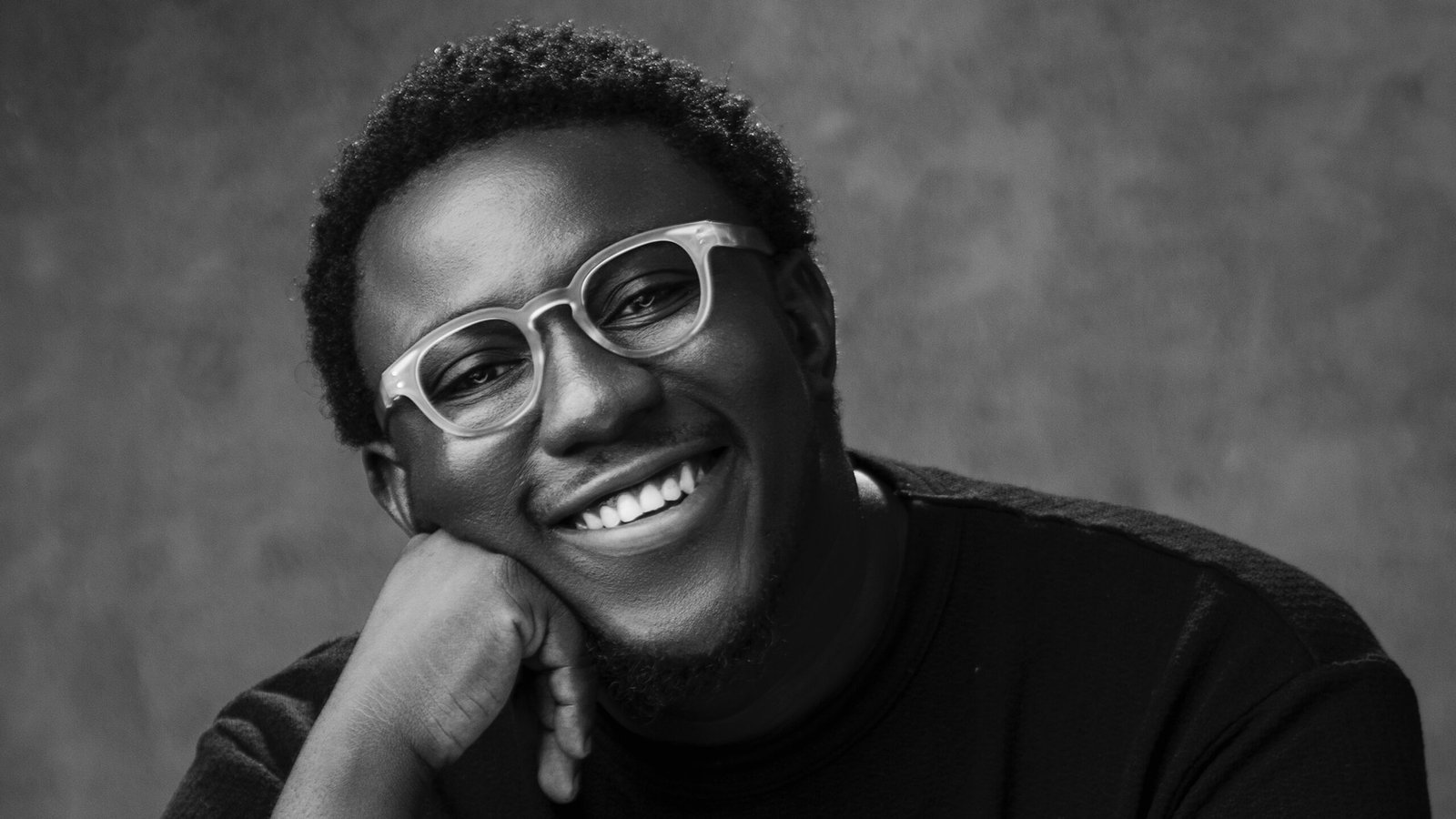
In 2019, there was no blueprint for content creators in Nigeria. Either we won 9-5 or we hustled on the side. No one imagined that posting videos on Instagram would become a full-time job. But Salem King was always restless in sharing his knowledge.
In his words, “Everything I’ve learned, I want to teach others. That’s what I’ve been since I was a teenager.”
So, while working in real estate, he started uploading casual clips, simple phone-edited clips from his experiences. What happened next surprised him. People started asking, “How do I edit on my phone?” How can you say so much in such a short time? Salem responded to people one at a time via DM until she realized the requests were more than she could handle in her inbox.
That realization led to his first class. It was free because I was too scared to pay for it. But the feedback shocked him. People were applying his methods and finding their own small successes. When he finally plucked up the courage to put a price tag on his knowledge of just £5,000, 100 people signed up in 48 hours.
“The money I made in those two days was equivalent to six months’ salary,” he recalls. “Then I started thinking, maybe I don’t need this job. If I can make this much money doing this thing I’m doing on the side, why not put all my energy into it?”
From Content to Community – The Salem King Way
For Salem King, the turning point came not from signing with a class or brand, but from a seemingly simple post. One day, he uploaded a photo with a three-letter caption: “What’s bothering you?”
He expected the usual replies about algorithms, Instagram growth, or creative blocks. What came back instead was a very personal confession. People shared their anxieties about jobs, relationships, depression, and even their faith.
Salem was upset. “It was scary for me because I felt like I always had to have a solution for people. But when I came back 30 minutes later, there were already over 200 comments. People were starting to help each other. They said, ‘Oh, are you in this situation? Send me a DM. Let’s talk. Are you in Abuja? Let’s go get coffee.'”
At that moment, his role was completely restructured. “I realized that this community that was forming around me wasn’t just about me. My most important job was to create an environment where people could connect and help each other. I didn’t have to be the solution. I just had to create the space.”
He started reading books about community (particularly Seth Godin’s Tribe) and realized something often overlooked: creators don’t just need followers, they need belonging. For young Nigerians pursuing creative careers without family support, community meant survival.
Also read: Viral stereotypes: How charity Ekezie’s TikTok content challenges global misconceptions about Africa
“Sometimes your parents don’t understand. Your old friends don’t understand either. Only people who are also pursuing the same thing online see it from your perspective. Posting unsuccessful content can ruin your day and make you feel like a failure. But in the community, it doesn’t seem weird for you to feel that way. People understand you.”
Salem King leaned into this and treated the platform as a gathering place. He currently has a cross-platform audience of over 400,000 people across generations.
He remembers being approached by an MTN executive at an event, saying, “She said her daughter was watching my work, and I thought, wow, this is cross-generational. Then again, a woman told me she just turned 50 and loves my work. Inspiring both the young and the old is what really appeals to me.”
Economics of becoming a creative in Nigeria
But the community alone cannot cover the costs. And Salem King has struggled with what he calls the “fuck you if you do it, damn you if you don’t” paradox of turning your passion into a living.
“When you make a lot of money, the fun stops. When you don’t make money, you want to give up. In the early stages, I was reluctant to see what I was doing as a business, because I thought the priority should always be impact. But over time, I realized that there is such a thing as impact that is economically valuable.”
That meant structuring his work. Free daily videos, like his 101 Days of Creator 101 series, will continue to be available to everyone. However, one-on-one consultations, classes, e-books, and long online courses are now paid services.
He also started charging brands carefully. “I don’t recommend brands that I haven’t used myself or wouldn’t recommend to my family. For a long time, I felt reluctant to work with brands, but I realized that I would be fooling myself if I didn’t.”
A more difficult challenge is global payments.
“Without a doubt, one of the biggest challenges for me is getting paid. Even if overseas companies reach out, paying you is still a challenge. Even if they like your content, they may not know how to ship something here or how to pay. Many Nigerian creators have to set up bank accounts outside of Nigeria to receive payments, but that comes with tax complications. Not everyone can afford to do that.”
Visa barriers also limit opportunities. You may receive an invitation to an international event, only to have the visa process dragged out until the event is over. Even when collaboration is possible, creators in Nigeria earn much less than their Western counterparts.
“The reason why American YouTubers have higher CPMs than YouTubers with Nigerian viewers is simple: advertisers are paying more. Budgets here are tied to the local economy. But I believe there is room for growth. You can’t measure it when you put up a billboard. When you work with influencers, you can calculate the ROI. That’s why brands are shifting their budgets to us. The more the industry invests in African creators, the better it is for everyone.”
And the role of Crea8torium
That’s part of the reason Salem King co-founded Crea8torium with fellow creator Adora Lumina this year. Beyond growing its podcast and community of over 30,000 people, its goal is to “bridge the knowledge gap for creators through education, events, community, and our flagship show, Crea8torium.”
“A lot of the statistics you see come from someone in America. We wanted to build something with input from people in the industry to fill that gap, because without data creators can’t plan and investors can’t see the real picture.”
Still, Salem’s ambitions extend further. He has no intention of retiring from creative work, but dreams of moving into academia.
“Everything I’m learning, I hope to one day teach the next generation, not just on social media, but within an institutionalized system. I want to be in front of a classroom. I have no intention of retiring. I’ll probably continue to teach until I die.”
For him, legitimizing content creation as a career means incorporating it into schools, lecture halls, and policy discussions. This also means expanding the ecosystem beyond influencers to include talent managers, accountants, designers, and tax professionals.
Salem King said:
“With the new tax bill, creators will have to start paying taxes. Many of us don’t know much about it. But those who understand taxes should start paying attention, because they have the money. The creator economy is no longer just for creators. Everyone has a role to play.”

Salem King may have started with phone videos and free classes, but he has now established himself as one of the architects of Africa’s creator economy. He seeks to shape not only how creators make money, but also how communities connect, how data is collected, and how the industry will one day be taught in universities.
In his own words, “When I wake up every day, I’m no longer just thinking about my next Instagram post. I’m thinking about how to move the creator economy forward.”
And perhaps this is Salem King’s best work to date. It’s not about viral clips or follower counts, it’s about an ecosystem where creators and non-creators alike can find their place.
