


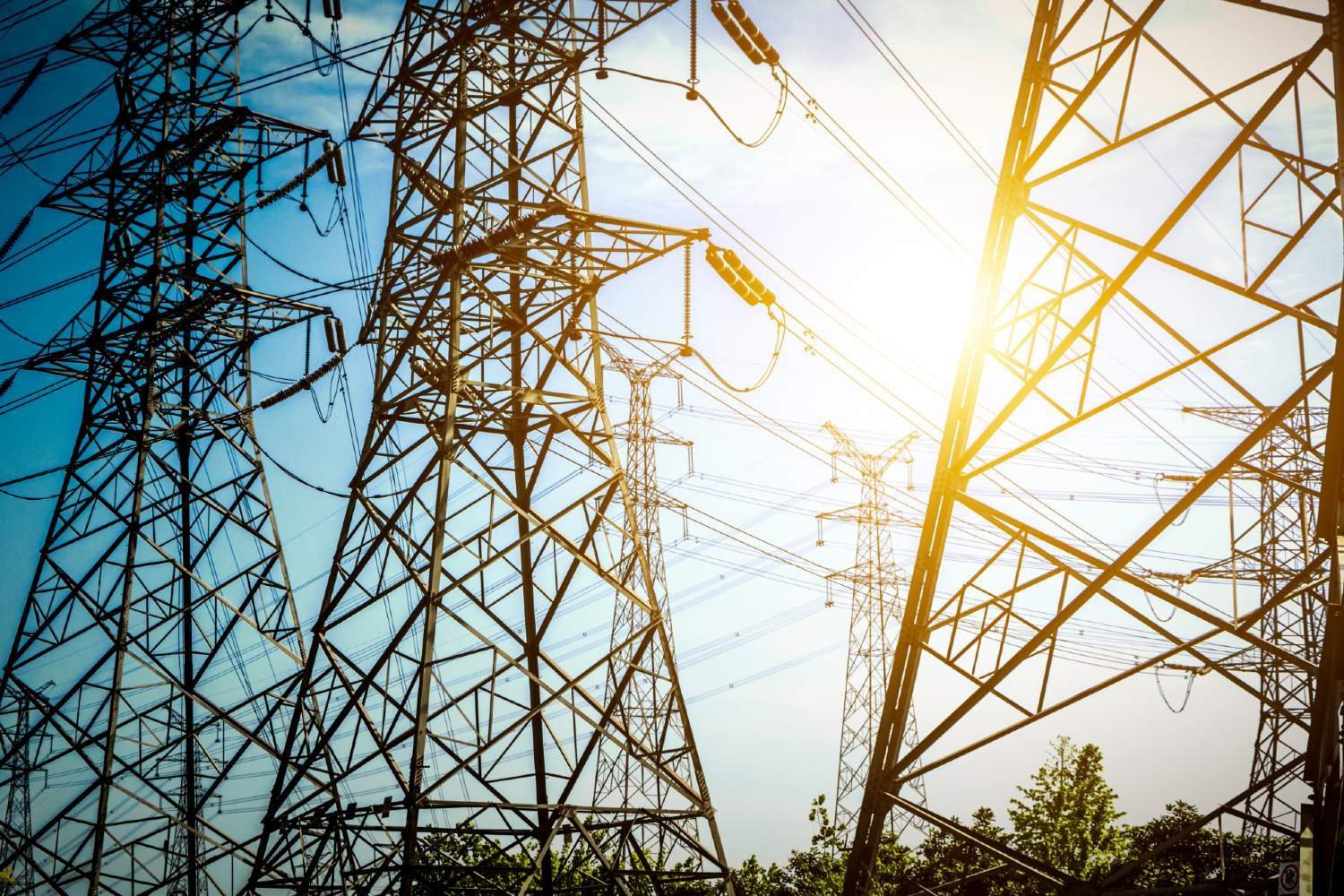
South Africa is undertaking the most ambitious electricity transmission infrastructure in its history as part of a broader strategy to address chronic energy shortages and enable a major shift to renewable energy. Central to this effort is the 2025-2034 Transmission Development Plan published by the state-run South African National Transmission Company, which plans to expand 14,500km of new transmission lines and 133,000MVA of transformers to integrate up to 56GW of new generation capacity over the next 10 years. This includes strengthening the power grid in high-demand coastal and inland regions, as well as long-distance transmission lines from renewable resource areas to demand centers.
Transmission expansion is now widely recognized as a binding constraint on South Africa’s energy transition. While generation additions, particularly wind and solar, are increasing, limited high-voltage capacity often prevents utility-scale projects from exporting power efficiently, contributing to persistent shedding cycles.
Below are three priority grid projects that illustrate different aspects of this infrastructure push. Consolidation of existing generation assets, unlocking renewable energy in resource-rich regions, and targeted capacity upgrades to increase stability.
Medupi – Witkop 400 kV transmission line
The Medupi-Witkop 400 kV transmission line will connect the Medupi power station to the wider national grid, strengthening one of the most important corridors in the north of the country. The project covers approximately 200 km and includes upgrades designed to stabilize the system after Medupi is operating at full power. As of December 2025, the project is approximately 98% complete, with only a short section of conductor installation and limited electrical work remaining. The main cause of delays is land access issues along a small portion of the route. Once completed, this line will improve system stability, support additional generation within the region, and reduce the risk of local bottlenecks that can cause power cuts and reliability issues.
Upington Strengthening Plan
The Upington Enhancement Plan focuses on reducing congestion in the Northern Cape, where renewable energy development outpaces available grid capacity. The project includes the construction of a 145 km 400 kV transmission line between Aries and Upington substations and the necessary connection works. Much of the line has already been completed and overall progress is nearing its final stages. The corridor is located in one of South Africa’s strongest solar resource areas and its expansion will enable new projects to connect to the system and efficiently move power to demand centres. The plan is expected to further stimulate private investment and accelerate the integration of large-scale solar power generation by opening an electricity transmission corridor in the Northern Cape.
Watershed strengthening project
The Watershed Enhancement Project addresses another type of constraint by increasing transformer capacity at the Watershed substation in the Northwest. The plan is to add a new 400/132 kV, 500 MVA transformer to complement the two existing units. While civil works are ongoing, the delivery of the transformers remains a key milestone and is currently scheduled for August 2026. Long manufacturing lead times and global supply chain pressures are extending schedules to reflect the challenges seen in many power grid projects around the world. Once operational, this upgrade will allow more power to flow into the local network, improve voltage stability, and free up space for additional solar generation in nearby areas.
