


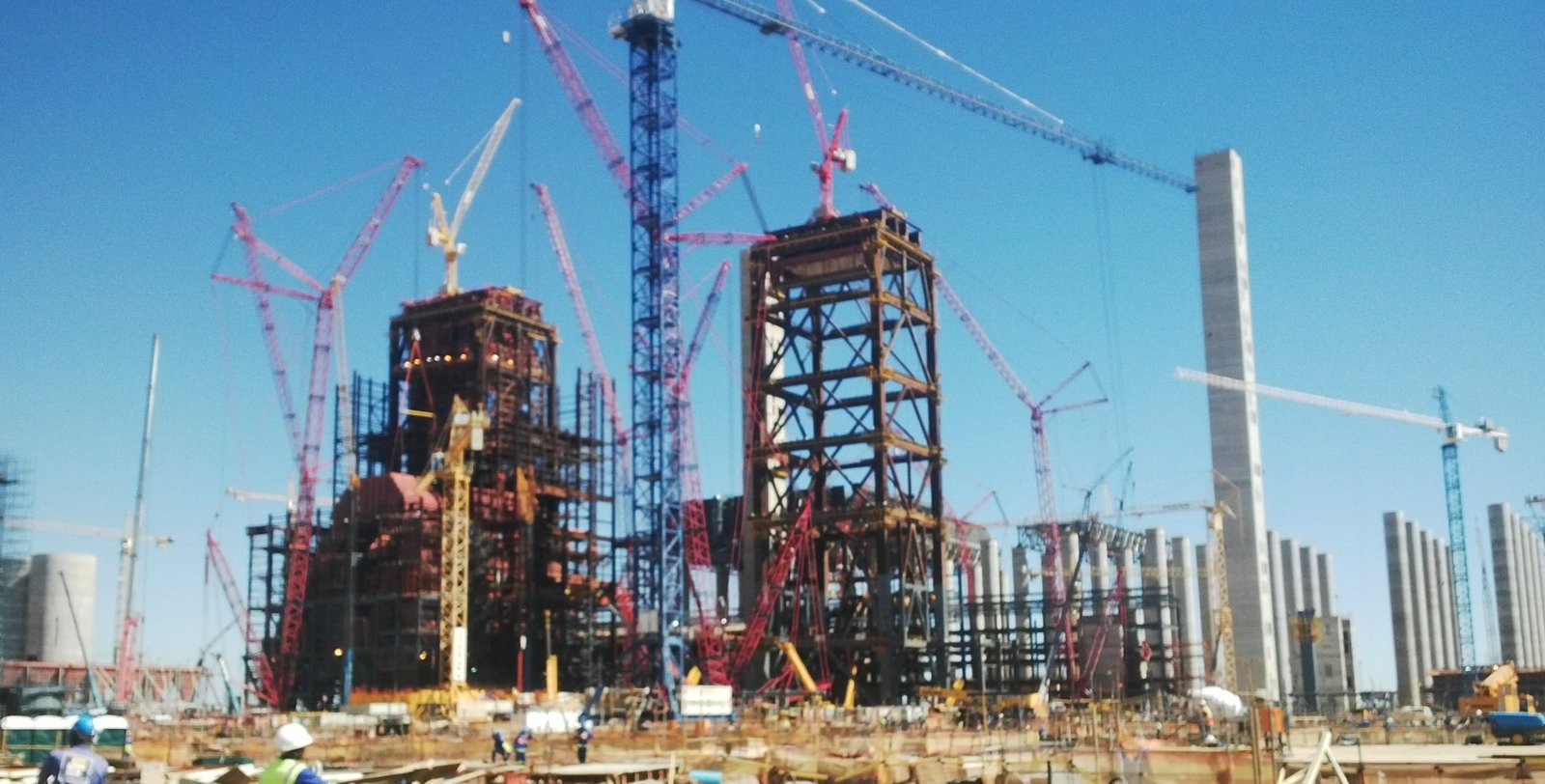
Despite bold sustainability initiatives, South Africa faces deep challenges in turning plans into profitable, viable and resilient infrastructure projects. In 2026, global trends show that execution, not aspirations, is the metric that will determine infrastructure success. South Africa is at a crossroads. Will sustainability remain a vision or a measurable outcome?
Funding shortages and investment challenges
While sustainable finance is growing across Africa, South Africa continues to struggle with a mismatch between infrastructure needs and available capital. Climate finance flows and sustainable debt are increasing, but not enough to adequately finance climate-resilient and socially inclusive infrastructure. Without closing these gaps, even the most ambitious plans will not be realized.
Fragmentation across policy, planning and procurement
Industry leaders consistently point to fragmentation as a key barrier. Silos across policy, planning, procurement, and execution weaken accountability, delay projects, and limit value creation. Public and private stakeholders often operate in isolation, making it difficult to achieve an integrated bankable infrastructure.
Maintenance, network and infrastructure performance
GIBB General Manager: Engineering, Procurement and Construction Management Ntshavheni Phidza highlighted how lack of investment, inadequate maintenance, and transport and logistics network constraints continue to limit project success. The declining contribution of infrastructure to GDP highlights the urgency for smarter investment prioritization and long-term planning.
Weak enforcement and barriers to inclusive procurement
The challenge of transformation further exacerbates the difficulty of implementation. Danny Massimene, president of the Black Business Council in the Built Environment, pointed to weak enforcement of procurement laws and highly concentrated supply chains as barriers to startups. Lowest-cost procurement models often compromise quality, resilience, and measurable social impact, which are key ingredients for sustainable and profitable projects.
Governance and professional responsibility gap
Diminished professional standards and limited accountability threaten both project quality and public trust. Professor Lufno Latsik, Chairman of the Project and Construction Management Professional Council of South Africa, stressed that results-based contracting, legally enforceable oversight and skills development are essential to achieving deliverable infrastructure.
Transitioning to a human-centric, bankable infrastructure
The path forward requires a decisive shift towards comprehensive, bottom-up planning models that reflect local needs. By integrating governance, investment, skills development and ecosystem-based collaboration, South Africa can move from sustainability efforts to profitable, successful projects that drive economic growth, social equity and climate resilience.
summary
Main challenges:
Fragmented planning, policy and procurement Lack of financing for sustainable infrastructure and climate adaptation Weak enforcement of procurement laws Lack of investment and inadequate maintenance Skills and governance deficiencies
Important occasion:
Integrated ecosystem-based infrastructure planning Public-private collaboration that unlocks capital and efficiency Comprehensive procurement models that prioritize resilience and impact Outcomes-based contracting with legally enforceable oversight
