


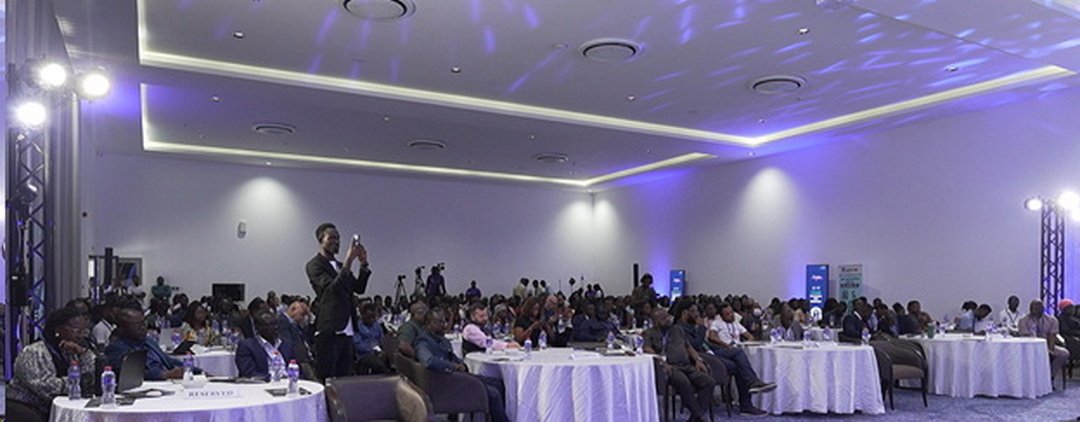
As the global conversation on technology progresses, Ghana stands to usher in another defining moment for the continent’s digital future. In its second year, the Pan-African AI Innovation Summit (PAAIS) 2026, scheduled to be held at the Kempinski Hotel on September 22-23, builds on the 2025 edition of the strategic conference dedicated to the responsible development of artificial intelligence in Africa.
Themed “Scaling Africa’s Ethical AI and Innovation Ecosystem: Youth Empowerment, Policies, Partnerships, and Skills,” the summit provides a timely opportunity for thought leaders on how we can move from consumers of global technology to creators of context-aware solutions that address our unique challenges.
The strategic value of local data
For artificial intelligence to be truly effective, it must be relevant. The current global situation often relies on models trained on data from outside the African context. While useful, these models often lack the nuance needed to address regional realities, from the agricultural patterns of northern regions to the linguistic diversity of subsistence trade markets.
The focus of PAIS 2026 is to support the development of AI systems based on local data. By prioritizing Indigenous datasets, we ensure that the algorithms that power our financial services, health care, and education systems are not only accurate, but also culturally aligned.
Ethical development and the use of AI are about sovereignty. It’s a question of effectiveness. Solutions built on local data are more effective for communities and businesses.
Building on strong institutional “foundations”: NITA and the Data Protection Commission (DPC)
It is no coincidence that Ghana stands ready to lead this dialogue. It builds on the solid foundation laid by key institutions, particularly the National Information Technology Agency (NITA) and the Data Protection Commission (DPC).
We must recognize and celebrate the great strides these institutions have already made. NITA has contributed to the digitalization of government services and the establishment of standards that ensure the security and interoperability of digital infrastructure. Their efforts have created the stable environment necessary for the digital economy to thrive.
Similarly, the Data Protection Commission has done a commendable job in implementing the Data Protection Act 2012 (Act 843). By promoting a culture of accountability and privacy, the DPC has established an important layer of trust between citizens and digital platforms, a fundamental requirement of an advanced digital society.
The path forward: From regulation to enablement
In the lead-up to the 2026 Summit, discussions must now turn to how to build on these successes to secure Ghana’s place as Africa’s AI bellwether. The next phase of our agency leadership will include a transition from basic regulation to proactive enablement.
Strengthening NITA’s role: The need for advanced infrastructure is paramount to supporting a thriving AI ecosystem. Private and public industry can receive support from government agencies to help develop local cloud capabilities and high-performance computing resources. By facilitating access to this infrastructure, local developers will be able to find a home to train complex models right here in Ghana, reducing their dependence on external resources and maintaining the resilience of our digital economy. Evolving the DPC framework: The role of the DPC is more important than ever as AI introduces new complexities around automated decision-making and data usage. The opportunity ahead lies in the specific ethical guidelines being developed for AI that foster innovation while protecting the public. By providing a clear framework for transparency and fairness, the DPC gives startups the confidence to innovate knowing they are operating within ethical boundaries that protect Ghanaians.
Impact on society and young people
Ultimately, the alignment of policy, infrastructure, and innovation serves one purpose: social good. A well-regulated, data-rich AI ecosystem will create high-value jobs for young people, moving them from basic digital literacy to advanced professional skills. This will enable us to deploy AI that can predict crop yields, optimize traffic in Accra, and power purposeful education for children and students across the continent. The participation of institutional leaders in PAIS 2026 will send a positive signal that Ghana is open for business and ready to innovate responsibly.
conclusion
The Pan-African AI and Innovation Summit is an invitation to collaborate. This is a call for policymakers, private sector leaders, and technologists to come together at Kempinski to create a sustainable blueprint for the future. By leveraging local data and strengthening the capacity of institutions to collaborate, we can ensure that AI becomes a tool for inclusive growth and sustainable development.
Join the conversation that will shape Africa’s digital future. For more information, visit panafricanaisummit.com.
Disclaimer: The views, comments, opinions, contributions and statements made by readers and contributors on this platform do not necessarily represent the views or policies of Multimedia Group Limited.
Disclaimer: The views, comments, opinions, contributions and statements made by readers and contributors on this platform do not necessarily represent the views or policies of Multimedia Group Limited.
