


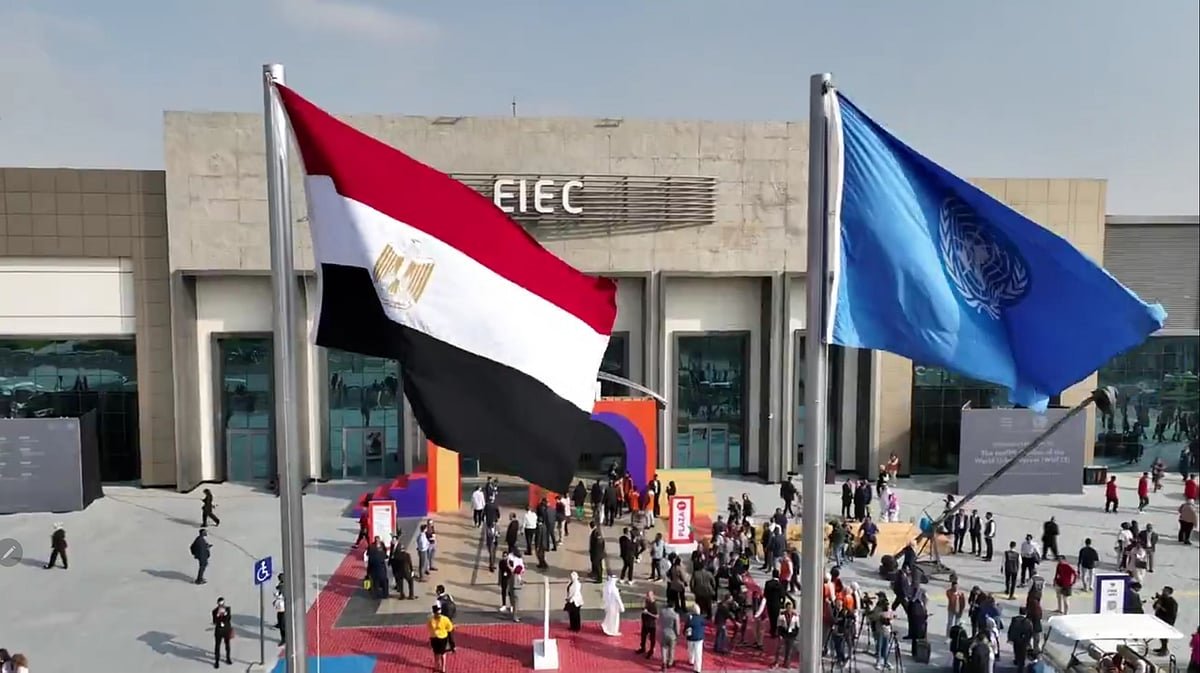
The 12th World Urban Forum (WUF12), held from November 4 to 8 in Cairo, a bustling metropolis of 22 million people, focused on pressing urban issues that resonate in Africa. As the world’s most rapidly urbanizing continent, Africa faces unique challenges in terms of resource constraints and climate resilience.
The forum will serve as a platform to address urbanization challenges such as housing, land use, urban planning, governance, and public participation. This year, WUF12 focused on ensuring affordable housing, transforming informal settlements, rebuilding sustainably, and strengthening resilience to climate change. This is an important topic for a continent facing rapid urban growth.
The five-day event, themed “It all starts at home: local action for sustainable cities and communities”, featured six important conversations: “The homes of our future,” “Cities and the climate crisis,” “Stronger together,” “Localization and localization of finance,” “People first in the digital age,” and “Loss of home.”
These themes closely align with Africa’s priorities, as seen at the first African Cities Forum in Addis Ababa in September, where African leaders and development partners set the stage for WUF12.
WUF12 opened with a focus on housing, which is the cornerstone of urban development and a serious challenge in Africa, where slum populations are increasing in countries struggling to keep up with urbanization.
Africa is currently the least urbanized continent, but its population is expected to jump from 1.5 billion to 2.5 billion by 2050, increasing the urgency for sustainable urban solutions. The urbanization rate is expected to rise rapidly, from 36 percent in 2010 to 50 percent by 2030 and 60 percent by 2050.
Another discussion focused on the intersection of climate change and urbanization, particularly as it relates to Africa. As a continent with limited resources and facing disproportionate climate impacts, African cities have become hotspots of climate change vulnerability.
Research shows that changing climate patterns such as rising temperatures, droughts, floods and extreme weather events are disrupting urban life, especially for people living in poverty-stricken slums. “Cities are feeling the effects of climate change, but women are often the ones hardest hit,” said UN-Habitat Executive Director Ana Claudia Rosbach.
Extreme weather events are also damaging economic sectors essential to urban life, such as agriculture, water resources, coastal communities, and public health. A report by the Economist Intelligence Unit warned that by 2035, Africa’s 100 largest cities, which will lead growth and are home to 21 per cent of the continent’s population, will face severe climate risks such as sea level rise, storm surges, floods and drought. “These climate risks weigh on the future prosperity of African cities and will require concerted action from policymakers, businesses and households to address them,” the report said.
Africa’s big city boom
Africa currently has three megacities: Cairo, Kinshasa, and Lagos. By 2050, seven more African cities are expected to join this list, including Dar es Salaam, Nairobi, Khartoum and Johannesburg, each with more than 10 million residents.
According to World Bank projections, Abidjan will surpass the 10 million population mark by 2040, followed by Ouagadougou, Addis Ababa, Bamako, Dakar, Ibadan and Kano by 2050. By then, 14 African cities will have reached megacity status, and the continent’s urban population will exceed 1 billion by 2042.
These emerging metropolises are becoming centers of economy and innovation. Jessica Thorne, an environmental science expert and ARISE Fellow at the University of Namibia, emphasized the need for comprehensive urban planning. “In many African cities, urban growth is outpacing the ability to provide serviced land and housing,” she explained. “This results in the formation of informal settlements in vulnerable areas, such as flood-prone lowlands and steep slopes, far from commercial and transport hubs.”
Thorne added that without proper sanitation, these areas become breeding grounds for pathogens, climate impacts degrade infrastructure, supply disruptions increase food prices and strain essential services such as transportation. “All these factors contribute to increasing inequality,” she said.
WUF12 emphasized the importance of cooperation among development partners and innovative local financing models for urban development.
The WUF was established by the United Nations in 2001 to examine the impacts of rapid urbanization on communities, economies and climate change and meets every two years, with its first meeting held in Nairobi in 2002. This year, Africa hosted the Forum’s 12th session, attended by a record 37,000 delegates, 74% of whom were from African countries. Participants ranged from academics and government officials to private sector representatives and international organizations.
As Africa’s cities continue to expand, the WUF12 results demonstrate a growing recognition of the continent’s unique urban challenges and the need for sustainable and inclusive solutions.
