


Funding to advance the second phase of NAGS-AP aims for higher yields, digital farming tools and stronger value chains across the country…
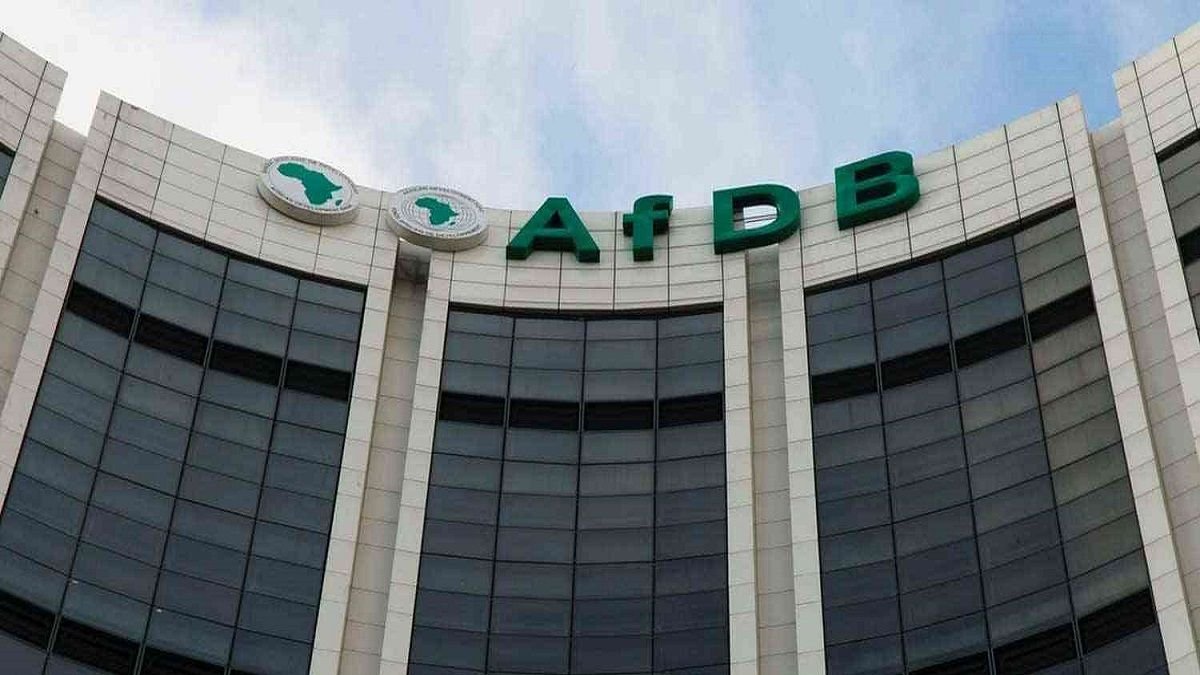
The African Development Bank Group has approved a $200 million loan to support climate-smart, technology-driven agriculture in Nigeria, providing a major boost to the country’s efforts to improve food security and agricultural productivity.
The funding, disclosed in a World Bank statement, will fund the second phase of the federal government’s National Agricultural Growth Program – AgroPocket (NAGS-AP). The program aims to expand farmers’ access to quality inputs, cutting-edge technology, and data-driven farming practices across the country.
The loan is structured as sector budget support and builds on previous interventions under the Bank’s Africa Emergency Food Production Facility. It aims to scale up priority investments, strengthen agricultural value chains and accelerate the transition to climate-resilient agricultural systems.
The four-year project is scheduled to begin in March 2026.
Scale what works
The bank said the second phase directly leverages the lessons learned during the initial rollout of NAGS-AP, which leveraged digital platforms to distribute inputs more efficiently and transparently.
“This second phase directly leverages these lessons and successes to further scale up the impact,” said Abdul Kamara, African Development Bank Country Director for Nigeria.
“By expanding access to high-quality inputs, digital tools and climate-smart technologies, we are helping farmers improve their productivity and resilience,” he added.
Mr Kamara noted that the program is expected to help reduce food imports, boost local production and foster inclusive growth across Nigeria’s rural economy.
The initiative is in line with five key pillars under Nigeria’s National Agricultural Innovation Policy Framework, which focuses on improving input access, strengthening value chains, revitalizing extension services, digital farming systems and strengthening agricultural data infrastructure.
Building on Phase I results
The first phase of NAGS-AP achieved measurable results through an ICT-based input distribution system that directly connects farmers with certified suppliers.
More than 600 agricultural traders across the country supplied improved seeds, fertilizers and crop protection products under the scheme. Approximately 118,000 hectares of wheat were cultivated during the 2023/2024 dry season, contributing to a tripling of national wheat production to approximately 500,000 tonnes in 2024.
An estimated 650,000 smallholder farmers growing wheat, rice, cassava, maize, sorghum, and millet benefited from the intervention.
These results laid the foundation for expanding the program under a second phase focused on climate adaptation and digital integration.
Tackling structural constraints
Agriculture remains the cornerstone of Nigeria’s economy, employing about 38 percent of the workforce and accounting for about a quarter of the country’s gross domestic product. Despite its importance, the field continues to grapple with long-standing structural challenges.
Limited access to improved inputs limits yields, while weak land tenure systems and low irrigated area impede investment and production stability. Climate stress, soil degradation and erratic rainfall patterns further disrupt production cycles.
Newly approved projects aim to address these bottlenecks, targeting a five-fold increase in wheat production and a 20% increase in rice production as part of broader food security objectives.
The approval of $200 million further expands the Bank’s support to Nigeria. In November 2025, the AfDB approved a $500 million loan to support the second phase of the Economic Governance and Energy Transition Support Program, underscoring its broad commitment to strengthening Nigeria’s economic resilience.
The latest funding shifts focus to providing farmers with the tools, technology and resilience they need to feed a growing population while adapting to a changing climate.
