


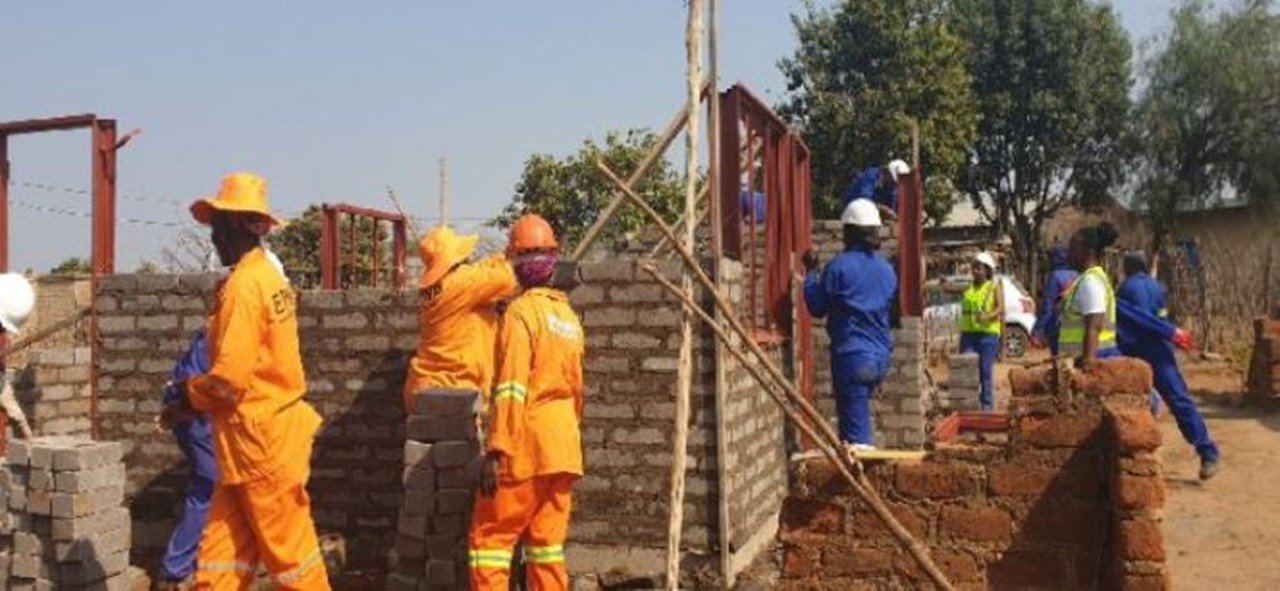
The African Development Bank Group has approved a $71.55 million grant to support a major new development initiative in Ghana that aims to expand employment opportunities, strengthen social cohesion, and empower women and youth, particularly in the historically underserved northern region.
This comprehensive four-year program, running from 2026 to 2029, is one of the Bank’s most ambitious investments in Ghana’s human capital and peacebuilding infrastructure in recent years.
Turning demographic potential into economic opportunity
The initiative is designed to reach 33,000 beneficiaries, including:
28,000 people trained in technical, digital and vocational skills
5,000 more women and youth trained in agribusiness and sustainable resource management
22,000 direct jobs created
6,189 indirect jobs expected across key value chains
Women aged 36 and older and young people aged 18 to 35 form the core focus groups. These demographics make up a significant portion of Ghana’s workforce and are central to its long-term economic stability.
“This program will contribute to Ghana’s efforts to turn population growth into a demographic dividend,” said Ailsalem Fasika, AfDB Country Manager for Ghana. “By providing women and youth with market-related skills and access to finance, we are contributing to promoting peace, stability and prosperity, particularly in northern Ghana.”
Supporting national priorities: A big push and a 24-hour economy
This program is aligned with the African Development Bank’s National Strategy Paper for Ghana and complements two key national initiatives:
The government’s big push agenda – designed to accelerate infrastructure development and boost job creation
24-Hour Economic Proposal – aims to boost youth employment and expand productivity across the region.
The program is expected to contribute to long-term political and economic stability by intentionally focusing resources on regions most affected by underdevelopment, climate stress, and insecurity.
Addressing structural fragility and conflict risk
Northern Ghana continues to face complex challenges, including:
Recurrent conflicts between farmers and herders
Drought and resource scarcity due to climate change
Risk of spillover from security instability in the Sahel region
High youth unemployment and limited market opportunities
The Bank’s preventive development approach prioritizes early interventions that strengthen livelihoods, expand economic opportunities, and reduce the root causes of instability.
Modernize your skills for a changing economy
A key element of this program is the modernization and expansion of technical and vocational education and training (TVET) infrastructure. Training will focus on areas of high demand.
STEM fields
Digital skills and ICT
creative industries, coding, generative AI
entrepreneurship and innovation
In rural and agriculture-based communities, an additional 5,000 beneficiaries (mainly women) will be trained to:
This integrated model aims to improve productivity across traditional and emerging economic sectors.
Expanding finance and market access for MSMEs
The program also includes targeted support for women and youth-owned micro, small and medium enterprises (MSMEs) through:
New microcredit financing system
Expansion of collaboration between companies
Value chain development support
Capacity development for entrepreneurship
The program will help foster long-term economic independence for thousands of households by giving MSMEs access to markets and capital.
Strengthening governance, protection and peacebuilding
Recognizing the importance of strong local governance, this initiative will train selected district councilors in the following areas:
conflict prevention
Preventing gender-based violence
Strategies to avoid early marriage
Community resilience and social cohesion techniques
These components are essential to creating a safe and stable environment in which economic development can flourish.
First in Ghana: Results-Based Financing (RBF)
This marks Ghana’s first use of results-based financing (RBF) instruments within the AfDB’s national portfolio. The RBF model disburses funds based on measurable and verified results to facilitate:
Improved transparency
Improving organizational performance
Improving implementation efficiency
Accountability for development impact
Building inclusive, peaceful and prosperous communities
AfDB’s investments are expected to deliver long-term benefits across northern Ghana, improving access to economic opportunities, reducing vulnerability to conflict, and empowering women to be key drivers of community resilience.
The program has established itself as the leading model for inclusive development across West Africa by integrating economic empowerment, climate adaptation, job creation and peacebuilding.
