


…Nigeria Trust Fund, NGX at the center of new capital market blueprint
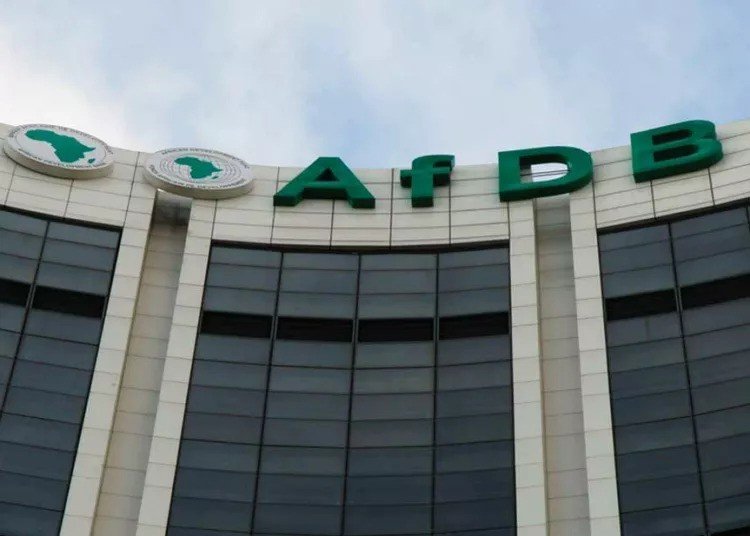
The African Development Bank Group (AfDB) has begun high-level discussions with leaders of African stock exchanges and development finance institutions to design a new African financial architecture aimed at closing the continent’s widening financing gap.
The two-day conference, to be held at the central bank’s headquarters in Abidjan, will bring together more than 50 top leaders from regional stock exchanges and financial institutions, a first in the World Bank’s history, the bank said in a statement.
Nigeria figures prominently in the discussion, not only because it is Africa’s largest economy, but also because of the growing influence of the Nigeria Exchange (NGX) through the Nigeria Trust Fund (NTF), one of the World Bank Group’s three lending outlets, and in driving capital market reforms across West Africa.
AfDB President Sidi Ould Tarr said African stock exchanges must become an important vehicle for long-term development financing, noting that capital markets have immense potential but are underutilized.
“As architects of Africa’s capital markets, you are the stewards of the continent’s financial future,” Ould Tarr told the heads of stock exchanges, private equity and venture capital funds.
The conference focuses on increasing access to affordable long-term financing, expanding investment capital on the continent and enabling capital flows to sectors that struggle to attract risk capital, particularly small and medium-sized enterprises (SMEs), which account for almost 90% of businesses and over 60% of employment in Africa.
The West African Regional Stock Exchange (BRVM), which lists several Nigerian companies and works closely with NGX through the African Exchanges Linkage Project (AELP), has stressed that fundamental reforms are needed to unlock pension funds and other institutional capital.
Felix Ed Kossi Amenounwe, CEO
BRVM said African pension funds, including Nigeria’s multi-trillion naira pension sector, need to be better capitalized to support governments and private companies.
Representatives from Nairobi, Tunis, Casablanca, Cape Verde, Ghana and the Central African Stock Exchange also participated, along with AELP officials, private equity managers and DFIs.
Key challenges under consideration include sustainable finance, digitizing stock markets, attracting global investment, strengthening regulatory integration across African markets, and improving financial education for young people. This is an area where Nigeria has recently expanded its efforts through the Securities and Exchange Commission and NGX.
Tunis Stock Exchange Chairman Sonia Ben Hrej stressed the need to update outdated regulations, while Nairobi Stock Exchange Director Donald Waweru Wangunyu called for stronger regional collaboration to overcome persistent barriers.
Also read: AfDB aims to invest $105 billion to create 19 million jobs by 2025
Urd Tarr outlined the World Bank Group’s three-pronged strategy: strengthening regulators and stock exchanges, diversifying savings and market participants, and strengthening research, training, and policy dialogue to build capacity among capital market operators.
He stressed that reducing Africa’s dependence on foreign aid requires concerted action by stock exchanges, investors, DFIs and regulators.
“We will build it together, and it will take a collective effort from each of us,” he said.
Discussions will continue on Wednesday with African development finance institutions, including representatives from institutions involved in Nigeria’s financial ecosystem.

