


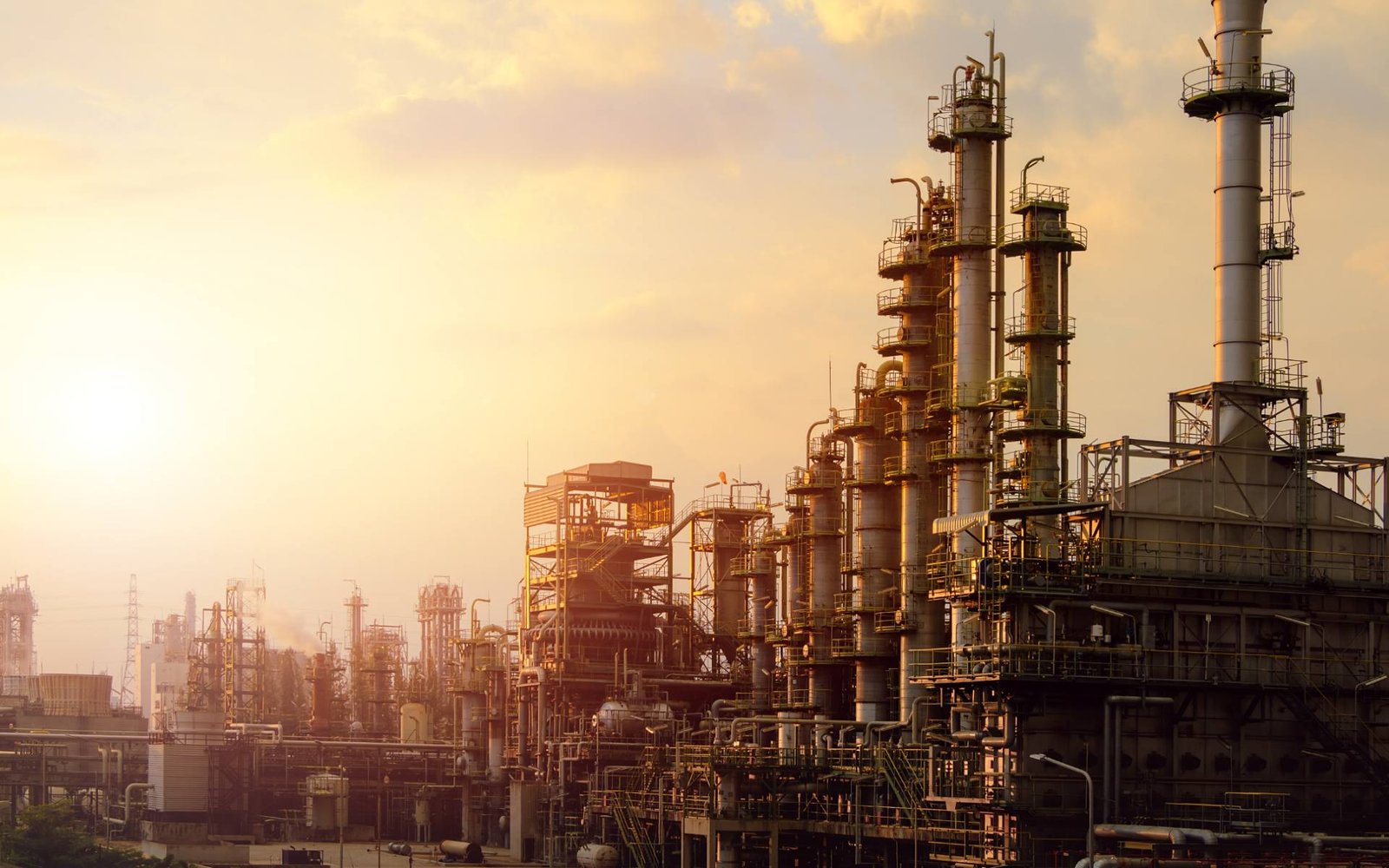
Recent developments across Africa’s downstream energy landscape signal a shift away from import dependence towards continental-level refining capacity, and this trend will be at the center of the panel discussion ‘Enabling Africa’s refineries to invest’ at the 2026 Africa Energy Investment Forum (IAE) in Paris.
In Senegal, the state-owned Société Africaine de Raffinage (SAR) is pursuing the SAR 2.0 program to build a second refinery, a project worth between $2 billion and $5 billion. The facility has the potential to increase annual production to approximately 5 million tonnes, reduce dependence on imported fuel and create export opportunities across West Africa. Funding discussions are underway with investors from China, Türkiye, and South Korea. Construction is expected to begin in 2026 and be operational by 2029, processing crude oil from the nearby Sangomar offshore field.
Meanwhile, the downstream sector of Nigeria, the continent’s largest oil producer, is also rapidly evolving. The International Energy Community recently secured $50 billion to build a 500,000 barrel per day facility in Ondo State that will be Africa’s second largest oil refinery with an attached free trade zone. With daily production exceeding Nigeria’s domestic fuel needs and the Dangote refinery beginning to export refined products, including gasoline shipments to the United States and jet fuel cargoes to international buyers, government leaders are articulating a broader vision for Nigeria as a hub for refined petroleum products across West Africa, with the potential to transform Nigeria from a net importer to a major exporter and regional hub by expanding refining capacity and eliminating bottlenecks.
But these high-profile projects also highlight a central truth about Africa’s sophisticated ambitions. There is a need for a more investable framework that aligns government policy, regulatory clarity and funding structures with long-term project viability. This challenge is a core focus of IAE 2026, with the panel aiming to explore how governments, regulators and financial institutions can work together to free up capital and expand refining infrastructure.
West Africa is already experimenting with regional collaboration. Regulators and industry groups have outlined a timeline for harmonizing refinery standards and cross-border frameworks to enable hub-based refining. These hubs integrate production with midstream logistics, storage terminals, and port infrastructure to maximize efficiency and reduce unit costs.
North Africa also provides a useful example of how traditional refining assets and extensive energy infrastructure can be modernized and aligned with export goals. In Egypt, several strategic refinery upgrades, including capacity expansion and Euro 5 fuel upgrades at the MIDOR, Assiut and Suez facilities, are helping to drive the sector’s performance and generate significant revenues. At the same time, major international energy companies like Eni have committed significant capital, announcing plans to invest around €24 billion over the next four years in Algeria, Libya and Egypt to support increased production and broader energy infrastructure. In Algeria, state-owned company Sonatrach’s expanded energy strategy includes multibillion-dollar refining and petrochemical projects as part of a broader $60 billion energy investment plan by 2029, highlighting the region’s potential as a supplier to European and regional markets.
In addition to harmonized policies and regulations, innovative financing is also important. Refining projects are capital-intensive and dependent on long-term cash flow visibility, making multilateral assistance, export credit agencies, and revenue-linked bonds essential to filling funding gaps. The African Export-Import Bank has already launched a $3 billion facility to support regional refining projects, demonstrating how multilateral finance can de-risk investments and foster private sector participation.
Projects and modular refineries such as Senegal’s SAR 2.0 and Nigeria’s Dangote demonstrate the value of tailored investments, harmonized policies, integrated logistics and innovative financing, enabling Africa to turn its refining ambitions into reality, thereby reducing imports, strengthening energy security and building regional value chains.
IAE 2026’s ‘Making Africa’s Refineries Investable’ panel will provide stakeholders with a platform to explore these opportunities and turn conversations into actionable strategies and investment commitments. For refiners and investors, this session is an opportunity to shape a continent-wide approach to a safer, more self-sufficient and commercially robust downstream energy sector.
IAE 2026 is a special forum aimed at connecting African energy markets with global investors and will serve as a key platform for deal-making in the lead-up to Africa Energy Week. Scheduled for April 22-23, 2026 in Paris, the event will offer participants two days of in-depth interaction with industry experts, project developers, investors and policy makers. For more information, please visit www.invest-africa-energy.com. To become a sponsor or register as a representative, please contact sales@energycapitalpower.com.
