Close Menu
Xsum NewsXsum News

    Stay Updated.

    Get the latest Africa-focused business & infrastructure news and more directly to your inbox.

    What's Hot

    Africa risks losing $415 billion a year without sustainable finance

    Breaking down barriers to private sector investment to build resilience on West Africa’s coasts

    Cape Verde secures €17.7 million from African Development Bank, what digital transformation plan actually means for Africa’s future

    Facebook X (Twitter) Instagram
    Trending
    • Africa risks losing $415 billion a year without sustainable finance
    • Breaking down barriers to private sector investment to build resilience on West Africa’s coasts
    • Cape Verde secures €17.7 million from African Development Bank, what digital transformation plan actually means for Africa’s future
    • FG Gold, AFC and Afreximbank close on USD 330 million senior debt financing for Baomafun Gold Project — TradingView
    • Africa needs to build its own cybersecurity intelligence, Tisel CEO says at AfriTech 5.0 – Nigerian CommunicationWeek
    • SA construction comes roaring back: 10% jump signals sector revival
    • Comoros to win subsidy from AfDB for geothermal project
    • Gabon strengthens regional energy profile with minister’s participation in MSGBC 2025
    X (Twitter) Instagram YouTube LinkedIn TikTok
    Xsum NewsXsum News
    • African Development Bank
    • Africa Finance Corporation
    • All Africa – Construction & Infrastructure
    • Africa Intelligence
    • Construct Africa
    • More
      • Mining Review Africa
      • Energy Capital Power
      • Sustainability & Climate-Resilient Infrastructure
      • Private-Sector Infrastructure Players
      • Urban Development & Housing
    Xsum NewsXsum News
    You are at:Home»More»Sustainability & Climate-Resilient Infrastructure»Africa is proving that investing in climate resilience works and that it makes business sense. William Ruto and Patrick Verkoijen
    Sustainability & Climate-Resilient Infrastructure

    Africa is proving that investing in climate resilience works and that it makes business sense. William Ruto and Patrick Verkoijen

    Xsum NewsBy Xsum NewsNovember 17, 2025No Comments5 Mins Read0 Views
    Facebook Twitter Pinterest Telegram LinkedIn Tumblr Email Reddit
    Share
    Facebook Twitter LinkedIn Pinterest WhatsApp Email

    aAmong the many shocks currently facing the international development community is the US administration’s new direction on climate change and its global impact on mitigation and adaptation efforts.

    This is not uncharted territory. There is no doubt that withdrawing from the Paris Climate Agreement is a setback, but it is no longer as chaotic as it was. The international community is becoming more resilient and will continue to advance climate action.

    We are hopeful because a lot has changed since the first Trump administration. The effects of climate change are much greater (just ask Los Angeles), but so are the responses. New technologies are being harnessed to predict extreme weather events and build stronger cities and rural communities. Around the world, resilient infrastructure is a hot new investment class, with over $2 trillion (£1.6 trillion) in assets under management.

    Investment is pouring into renewable energy, green transport and smart agriculture to slow the buildup of heat-trapping emissions and adapt to a warming planet. The benefits of taking early action are well understood, even if the need exceeds the funds to do so.

    Africa was an early champion of climate adaptation. That’s because 17 of the 20 countries most vulnerable to climate change are on the continent. We wanted to move beyond disaster management to forward-looking strategies that reduce exposure to climate risks. We sought solutions to protect people and businesses from the most destructive extreme weather events ever.

    Adaptation is more than just a means to minimize damage from extreme weather events, but it alone justifies the investment. Done right, it can not only transform the economy, but also strengthen it against natural disasters.

    Adaptation is both a protective shield against disruptive events and a catalyst for sustainable development

    Climate adaptation is a framework for protecting infrastructure, securing food systems, and creating new business and job opportunities. And it is supported by a booming market for climate solutions, from weather analytics and drought-tolerant crops to green finance and parametric insurance for weather-related events, paying out claims based on predetermined triggers such as wind speed and helping communities recover faster from natural disasters. These are the foundations that enable our communities and businesses to thrive.

    Africa is proof that climate investments work. The African Adaptation Acceleration Program (AAAP), the continent’s leading initiative in this area, has already committed more than $15 billion to strengthen critical systems against climate change. These funds contribute to the adaptability and livelihoods of approximately 60 million vulnerable people in 40 countries. Almost 1 million jobs were created in the process.

    A technician installs solar panels in Nairobi. Renewable energy generates more than 80% of Kenya’s electricity, but only 1% of its potential is tapped. Photo: Luis Tato/AFP/Getty

    Kenya is the first country in Africa to adopt a national adaptation plan. They rely on rain-fed agriculture for most of their livelihoods and economic activities, making them particularly vulnerable to droughts and floods.

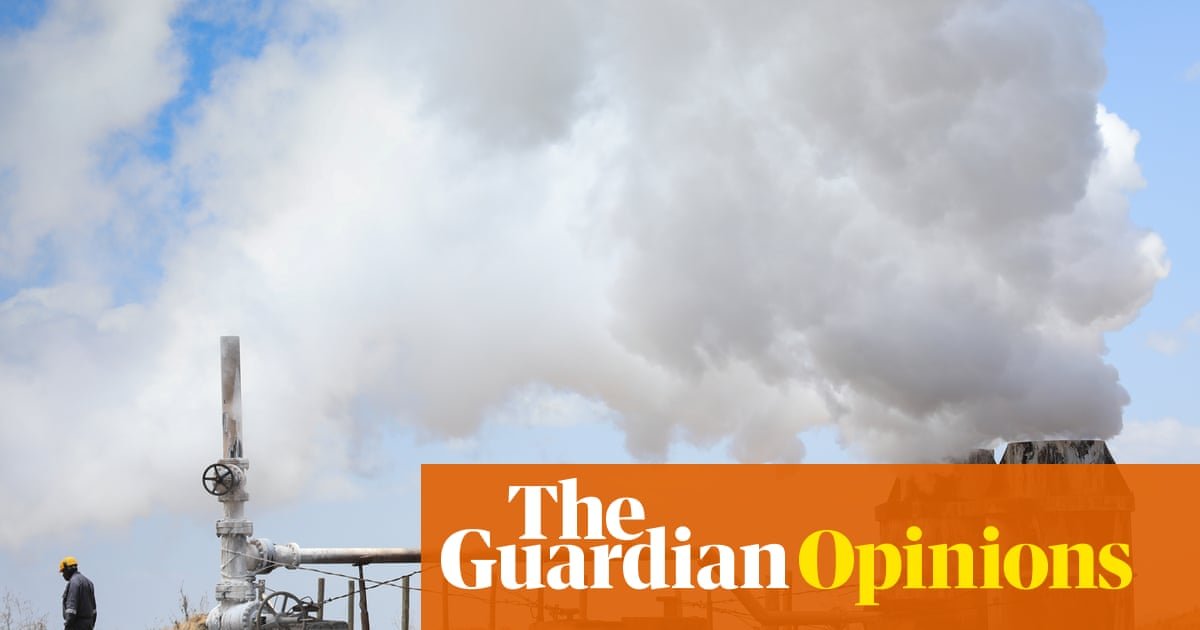
    But decisive action on climate adaptation has turned these vulnerabilities into opportunities to accelerate green growth. Local entrepreneurs are pioneering solar-powered irrigation and investing in water, sanitation and renewable energy through public-private partnerships. The country is a leader in geothermal power generation, supplying almost half of its energy needs.

    These achievements provide an example of how adaptation plays a dual role: as a protective shield against disruptive events and as a catalyst for sustainable development. Incorporating resilience into public policy, urban planning, and financial markets can protect communities and assets while stimulating growth.

    The benefits of this resilience are real. It would be even better if financing for climate change adaptation was aligned with Africa’s needs.

    For example, robust sea walls protect ports and international trade. Weather analysis and early warning systems save millions of lives from impending weather disasters every year. Regenerative agriculture techniques regenerate degraded soil and increase crop yields. Nature-based solutions to restore wetlands and forests reduce the impact of floods and hurricanes.

    Such measures often have many-fold benefits, delivering a “resilience dividend” that further increases the economic and social benefits of preventive measures. These benefits are even greater when governments, businesses, and multilateral institutions work together to integrate adaptation into decision-making.

    The benefits of this resilience are real. It would be even better if funding for climate change adaptation was aligned with Africa’s needs. The Global Adaptation Center estimates these needs to be more than $50 billion annually, but only a fraction of that is actually funded. Most climate finance comes from multilateral development banks, with little private sector involvement.

    This is a shame because there is a huge opportunity. Through its two headquarters in Rotterdam and Nairobi, the Global Center on Adaptation strives to ensure that adaptation solutions are co-created where they are needed most. The World Economic Forum estimates that the market for climate adaptation solutions could reach $2 trillion annually.

    Companies that develop cutting-edge solutions for climate adaptation, such as parametric insurance, weather analytics, and water-efficient infrastructure, will gain a competitive advantage in a world where demand for these products and services is likely to continue to grow.

    Investing in adaptation makes good business sense. That’s the smart thing to do. Climate change denialism must not distract investors and governments from the real opportunities before them.

    William Ruto is the President of Kenya and Patrick Verkoien is the Chief Executive of the Global Center for Adaptation.

    Africa business climate investing Patrick proving resilience Ruto sense Verkoijen William works
    Share. Facebook Twitter Pinterest LinkedIn Reddit WhatsApp Telegram Email
    Previous ArticleAfDB deepens ties with Mauritania through high-level visit and $655 million project portfolio
    Next Article Shelter Africa and AfDB: an innovative partnership
    Xsum News
    • Website

    Related Posts

    Africa risks losing $415 billion a year without sustainable finance

    December 6, 2025

    Breaking down barriers to private sector investment to build resilience on West Africa’s coasts

    December 6, 2025

    Africa needs to build its own cybersecurity intelligence, Tisel CEO says at AfriTech 5.0 – Nigerian CommunicationWeek

    December 6, 2025
    Leave A Reply Cancel Reply

    Top Posts

    A United Continent on the Move: Ambassador Kouyateh’s Call for an African Logistics Renaissance

    November 20, 202527 Views

    2 Core infrastructure for African submarine cable completed China Mobile advances digital intelligence development in Africa

    November 20, 202512 Views

    LIBERIA’S DEVELOPMENT AGENDA GAINS GLOBAL ATTENTION

    November 18, 202511 Views

    Africa’s clean cooking drive depends on carbon credit reform and transport upgrades

    November 25, 202510 Views
    Don't Miss
    Sustainability & Climate-Resilient Infrastructure December 6, 2025

    Africa risks losing $415 billion a year without sustainable finance

    Unless sustainable financing sources are secured to improve infrastructure, particularly in the energy sector, Africa…

    Breaking down barriers to private sector investment to build resilience on West Africa’s coasts

    Cape Verde secures €17.7 million from African Development Bank, what digital transformation plan actually means for Africa’s future

    FG Gold, AFC and Afreximbank close on USD 330 million senior debt financing for Baomafun Gold Project — TradingView

    Stay In Touch
    • Twitter
    • Instagram
    • YouTube
    • LinkedIn
    • TikTok

    Stay Updated.

    Get the latest Africa-focused business & infrastructure news and more directly to your inbox.

    About Us
    About Us

    Xsum News is Africa’s digital window into the future of business. We tell stories of innovation, enterprise, and investment that are shaping the continent’s economic rise. African Business, Added Up.

    X (Twitter) Instagram YouTube LinkedIn TikTok
    Our Picks

    Africa risks losing $415 billion a year without sustainable finance

    Breaking down barriers to private sector investment to build resilience on West Africa’s coasts

    Cape Verde secures €17.7 million from African Development Bank, what digital transformation plan actually means for Africa’s future

    Most Popular

    African Development Bank praises Algeria’s development model, aims to replicate its success across the continent

    Considering the redefinition of African capital by UBA and Arauba

    G20 Energy Investment Forum brings together Africa’s top finance, insurance and technology leaders

    © 2025 Xsum News. All Rights Reserved.
    • 🌍 About Xsum News
    • 📬 Contact us
    • Privacy Policy
    • Terms & Conditions
    • Disclaimer

    Type above and press Enter to search. Press Esc to cancel.