


african development fund (ADF), the concessional lending arm of the African Development Bank (AfDB), raised a record $11 billion in its 17th replenishment cycle, ADF 17, making it the largest funding round in the fund’s history.
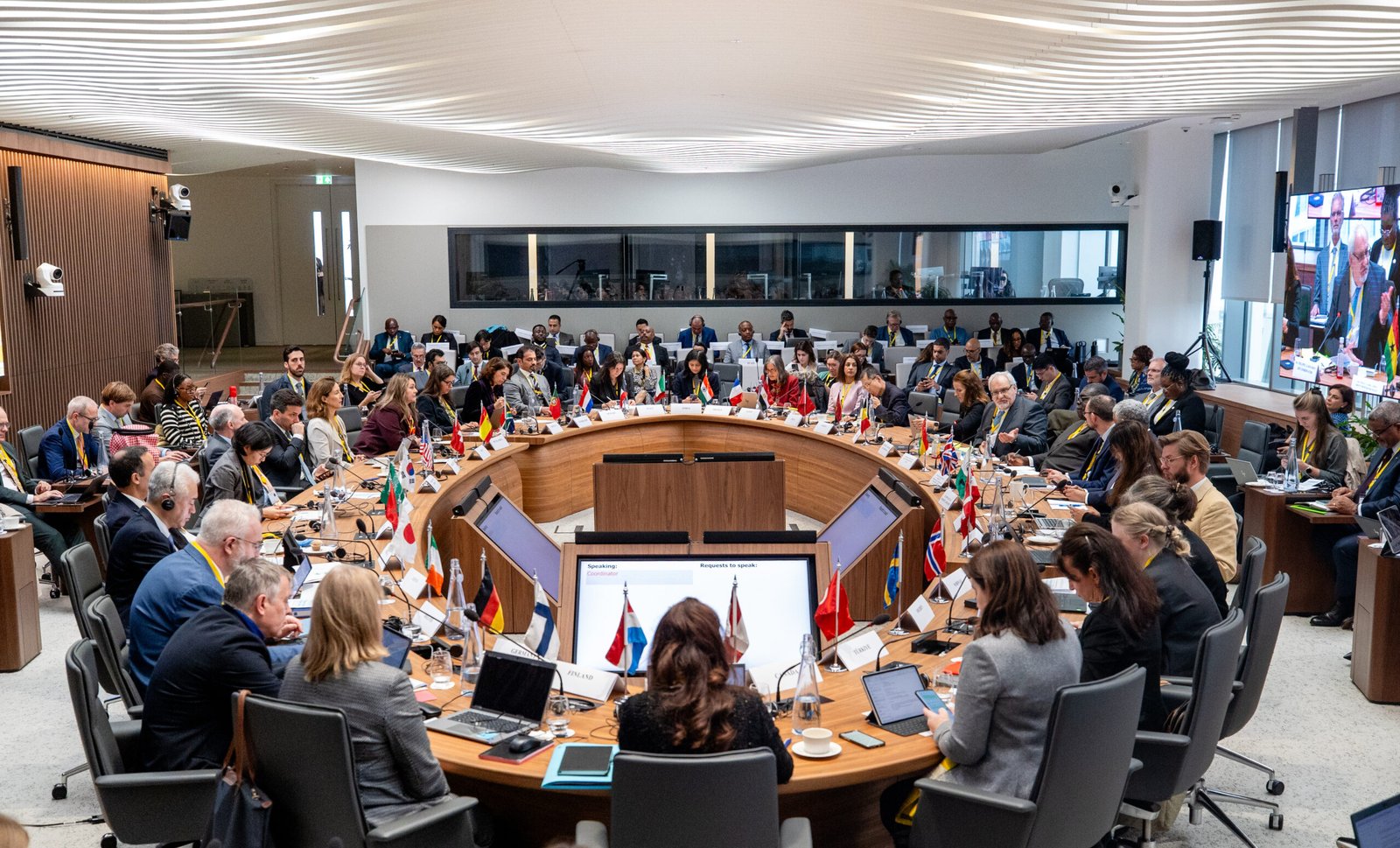
The AfDB said in a statement that it secured pledges from 43 partners during a replenishment session held in London on December 16, 2025, despite tight global fiscal conditions and reduced aid budgets. The Bank said this result represents a 23% increase compared to the previous replenishment cycle and reflects renewed confidence in Africa’s development prospects and the AfDB Group’s investment-led strategy.

AfDB President Sidi Ould Tarr said the scale of the replenishment signals a shift in development finance at a time of heightened global uncertainty. He noted that partner companies chose ambition and long-term investment over job cuts, and described ADF17 as a turning point rather than a routine fundraising exercise.
The statement further noted that for the first time since the Fund’s inception, African countries have made significant contributions to their concessional financing facilities. Twenty-three African countries pledged a total of $182.7 million, a fivefold increase compared to the previous cycle, and 19 countries made contributions for the first time. This development positions Africa not only as a beneficiary of concessional finance, but also as a co-investor in a development finance framework.
ADF 17 also introduces structural changes to the way concessional resources are deployed. The partners supported a financial model that allows the fund to leverage its balance sheet, introduce market borrowing options during the cycle, deploy hybrid capital instruments, and use concessional resources to absorb risk and focus private capital.
The AfDB noted that currently more than $2.50 of cofinancing is mobilized for every dollar contributed through the Fund, and this ratio is expected to rise under the new framework.
In parallel with the replenishment, a large concessional co-financing partnership was announced. The Arab Economic Development Bank has pledged up to $800 million, and the OPEC International Development Fund has pledged up to $2 billion. This partnership is expected to strengthen the Fund’s ability to implement innovative projects, especially in fragile and high-risk environments.
Resources mobilized under ADF 17 will be directed to 37 low-income and vulnerable African countries in priority areas including energy access, food systems and food security, human capital development, regional integration and trade, and resilient infrastructure. Targeted support will continue for countries facing vulnerability through mechanisms such as the Transition Support Facility.
The resupply process was co-hosted by the UK and Ghana. Jenny Chapman, UK Secretary of State for International Development and Africa, said the UK was proud of the Fund’s role in driving sustainable and inclusive growth across the continent. Ghana’s Deputy Minister of Finance, Thomas Nyarko Amprem, said the ADF is a strategic tool to reduce Africa’s vulnerabilities.
Founded in 1972, the African Development Fund has provided more than $45 billion in grants, concessional loans, and guarantees to low-income countries in Africa and remains the core of African-led multilateral development finance.
