


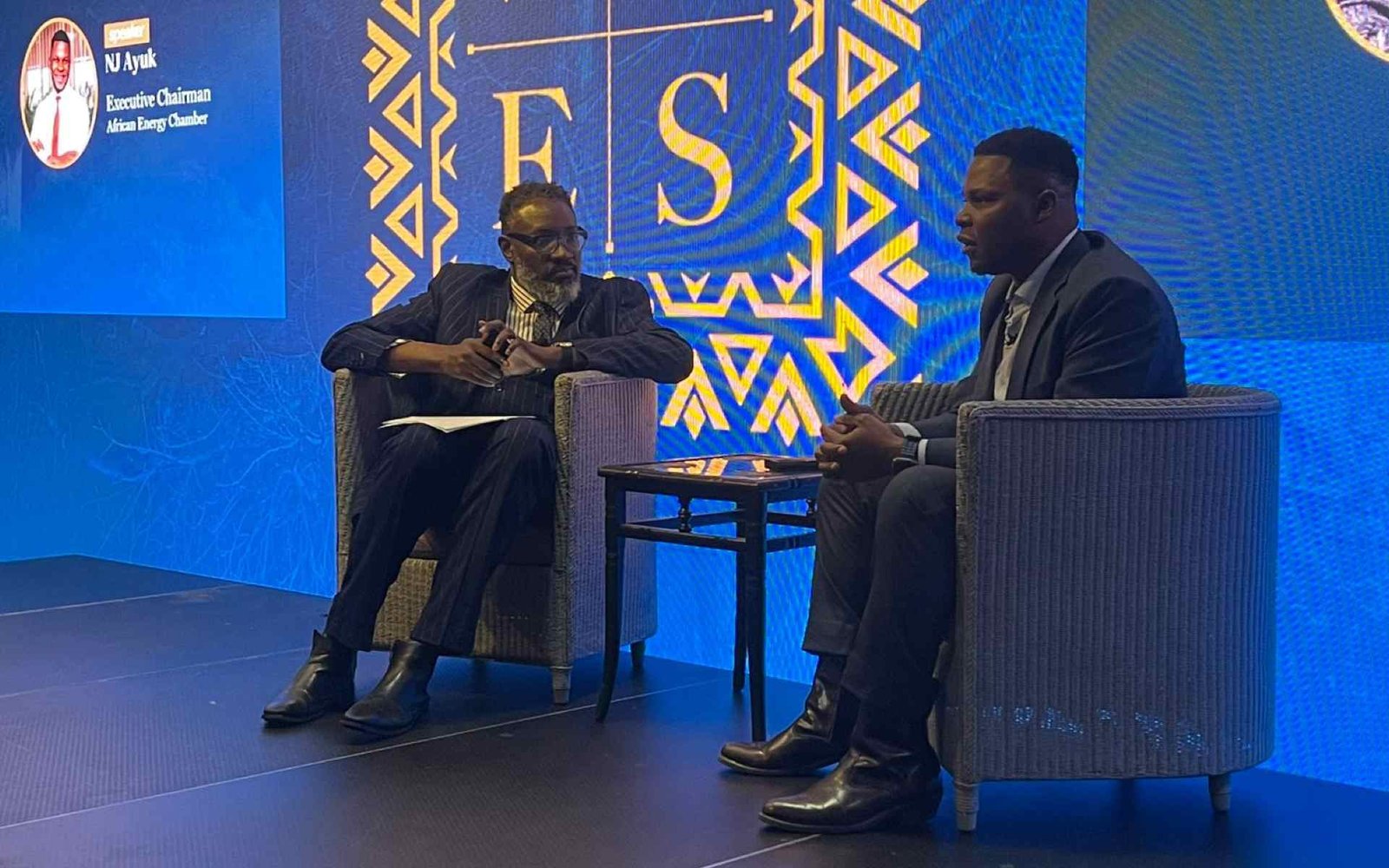
The African Energy Chamber (AEC) has called for a pragmatic and common sense approach to oil and gas development in Africa at the Broad Africa Energy Summit in Aberdeen this week. AEC Executive Chairman NJ Ayuk pointed to the need to alleviate energy poverty in Africa, highlighting the need to make Africa a home for international companies and highlighting the rich opportunities for UK-based operators and service providers across the continent’s evolving hydrocarbon supply chain.
“We believe in affordable and abundant energy. There are many people in Africa who lack economic opportunity. Our job is to change that and bring a pragmatic, common-sense approach to how we deal with the twin demons of climate change and energy poverty, which are two sides of the same coin,” he said.
With over 125 billion barrels of proven oil reserves and 620 trillion cubic feet of natural gas, Africa’s hydrocarbon industry has the potential to generate long-term economic benefits across the economy. African governments are working to monetize these resources. However, challenges remain, highlighting the need for a coordinated approach by African countries to engage investors and advance projects.
“Africa’s advantage is due to our population and industries with a hunger for technology. Opportunities will arise in new states, such as the MSGBC basin in Senegal and Mauritania, and the basins in Mozambique, Namibia and South Africa. Countries focus on resource nationalism We’re seeing them becoming more open and friendly. We’ve seen British companies being active in these markets, making an impact and opening doors. But we need to explore further.
To encourage foreign investment across African markets, Mr. Ayuk stressed the need to address risks on the ground. In particular, he explained, through improved public finances and readjustment of regulatory structures, African countries can increase their competitiveness against foreign capital as spending becomes increasingly constrained.
“Most African countries are starting to realize that the more they work on their problems on the ground, the easier it is to invest in them. Instead of competing for capital between Mozambique and Zimbabwe, you’re competing with Guyana and Suriname. We’ve seen countries like Angola turn their problems around on the ground, improve their public finances and attract investment. The result? We’ve seen Shell come back and invest,” Ayuk said.
Mr Ayuk also highlighted opportunities for UK services companies across the continent’s midstream sector. He explained, “The lack of infrastructure in our country is a big problem. For example, Nigeria is not able to power the region with gas, but this is not due to a lack of resources. How can we move resources across the continent? We need to look at baseload energy and natural gas. We do not have LNG receiving terminals, so we need to look at this.”
Strengthening our partnerships with successful companies in the North Sea has the potential to support these efforts and build more affordable, diverse and connected energy systems in Africa. Concluding the discussion, Ayuk said, “Choose Africa. Whatever you do in Africa is worth it, both economically and in terms of your ability to change lives.”
