


African Finance Corporation is redefining development on the African continent by driving profitable, climate-resilient and inclusive infrastructure projects. With US$17 billion invested in 36 countries, the AFC is a model of how strategic capital and partnerships can drive sustainable growth in Africa.
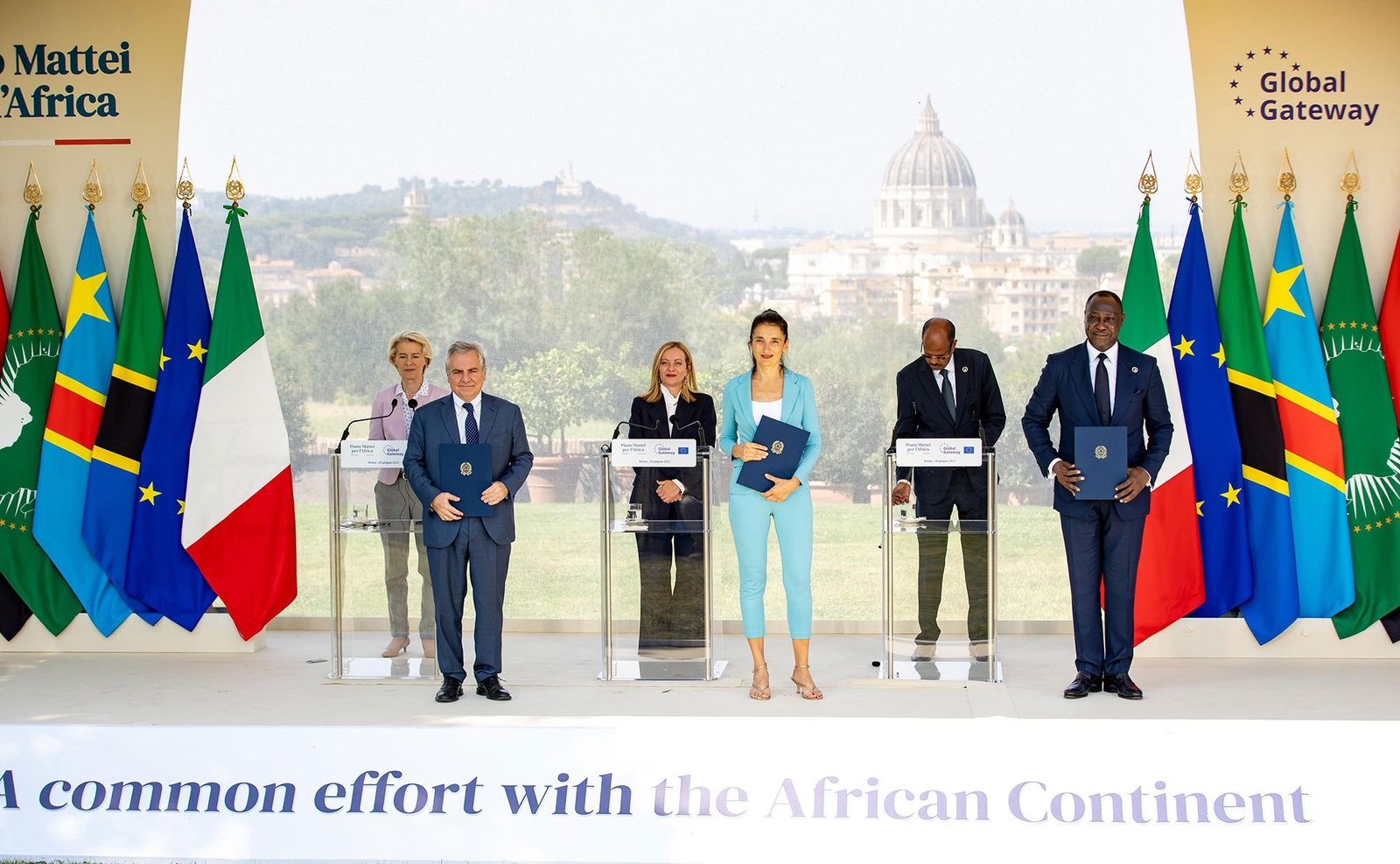
AFC President and CEO Samaira Zubair attended the Mattei Plan Global Gateway Summit promoting AFC’s partnership with CDP and SACE.
At a time when long-term investments are replacing traditional aid as the engine of sustainable global development, the African Finance Corporation (AFC) has become one of the most dynamic institutions. Established in 2007, AFC was designed to fill the glaring gap in financing and delivering critical infrastructure that drives industrialization, regional integration, and economic resilience across Africa.
With more than US$17 billion committed to more than 160 transformational projects in 36 countries, AFC combines the development mission of a multilateral institution with the operational agility of a pragmatic institution. Its model is based on providing economically viable, socially inclusive, environmentally sound and bankable infrastructure. Underpinned by strong credit ratings from Moody’s (A3, stable), Japan Credit Rating Agency (A+, stable), S&P Global (China) (AAA_spc, stable) and China Chengxin International (AAA, stable), AFC has earned the trust of global investors while remaining deeply rooted in Africa’s priorities.
Delivering transformative infrastructure
AFC’s portfolio spans the continent, with flagship projects demonstrating scale, sustainability and cross-border impact. AFC is a major investor in Infinity Energy, a majority shareholder in Infinity Power Holdings, Africa’s largest independent renewable power producer. Infinity Power Holdings, which operates wind and solar assets in Egypt, Senegal and South Africa, generates more than 4,200 GWh annually, enough to power 1.2 million homes and avoid more than 3 million tons of CO2 emissions. The Infinity platform targets an installed capacity of 10 GW by 2030.
In Djibouti, AFC served as lead developer and project manager for Red Sea Power, a consortium-owned venture that launched the country’s first utility-scale wind farm. The 60 MW Goube facility currently provides clean electricity to approximately 1 million people. This is a milestone that puts Djibouti firmly on the path to becoming the first African nation to be powered entirely by renewable energy. This project highlights AFC’s ability to rapidly mobilize capital to reduce risks to critical infrastructure and advance energy access and sustainability.
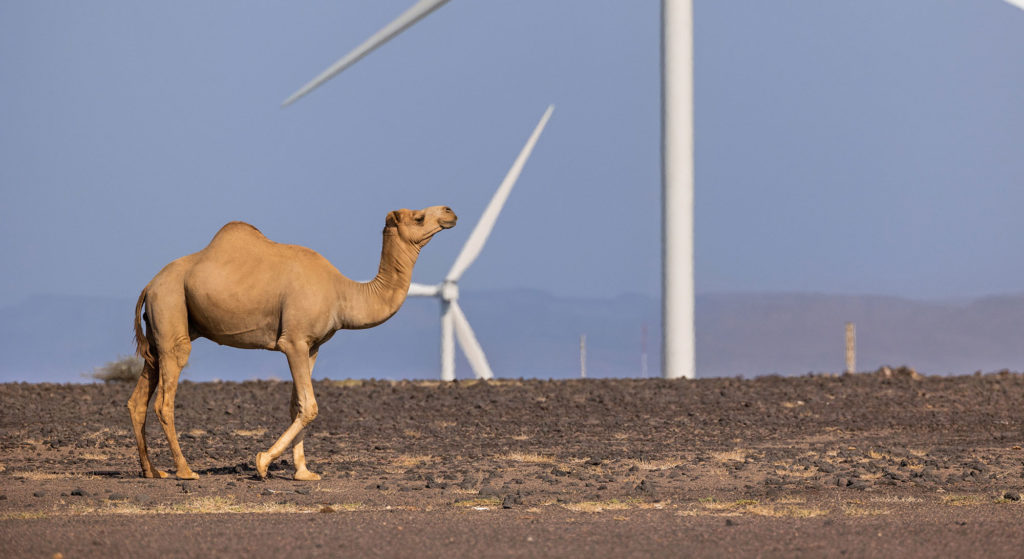
The Red Sea Power Project puts Djibouti on track to become the first country in Africa to be powered entirely by renewable energy.
Another AFC-led collaboration, ARISE Integrated Industrial Platforms (IIP), is one of Africa’s leading industrial infrastructure platforms operating in over 14 countries. To date, the company has deployed approximately US$2 billion in infrastructure and created over 50,000 jobs through its industrial ecosystem model. In 2025, ARISE IIP completed a landmark US$700 million financing that included both primary and secondary components, making it one of Africa’s largest private infrastructure deals to date. The transaction welcomes Vision Invest, a leading Saudi infrastructure investment and development company, as a new institutional shareholder, joining the ownership base of AFC, Equitan and FEDA (the impact investing arm of Afreximbank). The transaction also marked the success of AFC’s partial exit, highlighting its ability to focus private capital and recycle funds into new innovative projects.
This capital injection will support ARISE IIP’s continued expansion and deepening of a green and inclusive industrial ecosystem across Africa.
In the Democratic Republic of Congo, AFC provided a US$350 million senior loan to support the expansion of the Kamoa-Kakula copper mine, one of the world’s most environmentally friendly copper mines. The project will contribute approximately 4% to the country’s GDP in 2023, approximately 91% of its employees will be Congolese, and will provide a strong model for sustainable and inclusive natural resource development.
One of the company’s most ambitious ventures is the Zambia-Lobito rail corridor. It is an 830km greenfield railway linking Zambia and the port of Lobito in Angola. Once completed, the project will cut transportation time in half and generate an estimated economic value of US$3.3 billion.
Pioneering climate-resilient infrastructure
Recognizing the dual challenges of development and climate change, AFC has launched with AFC Capital Partners its flagship Infrastructure Climate Resilience Fund (ICRF), a USD 750 million blended financial instrument to accelerate investment in low-carbon and climate-resilient infrastructure. To date, ICRF has secured commitments of over US$400 million from international and regional partners.
The fund aims to support over 760MW of new renewable capacity, providing clean electricity to 6.5 million people and mitigating 24 million tonnes of CO2 emissions. In parallel, AFC continues to innovate green bonds and carbon products to help global investors finance Africa’s energy transition.
Climate resilience is increasingly being integrated into all stages of AFC’s project planning. New investment proposals are evaluated against physical and transient climate risk scenarios, and environmental sustainability is systematically integrated into every stage of project design, construction and operation.
Financial strength to attract capital
AFC’s operational and financial performance remains strong. Following a record 2024 in which the company generated revenues of over USD 1.1 billion and comprehensive income of over USD 400 million, the company pivoted to capital mobilization as a defining theme in 2025.
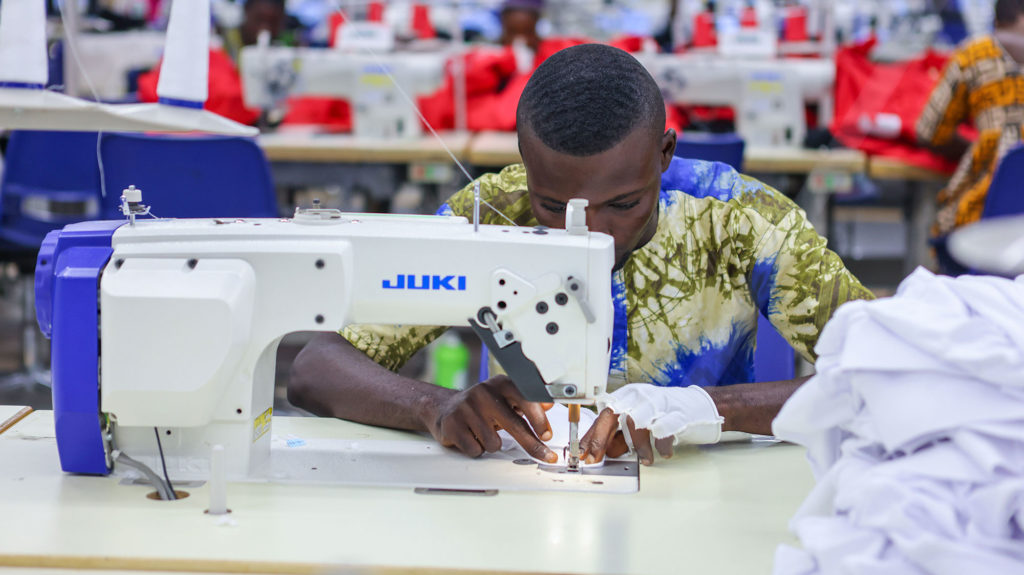
Empowering local industry: AFC-backed ARISE IIP creates jobs and value across Africa’s manufacturing hub
This year, AFC achieved a series of ground-breaking fundraising milestones, cementing its reputation as Africa’s leading capital mobilization platform. In January 2025, the company issued its first USD 500 million hybrid bond, a benchmark for African issuers, which was significantly oversubscribed and attracted strong participation from investors in Europe, Asia and the Middle East. This momentum continued in February with the signing of a US$350 million Murabaha facility with a major Middle Eastern bank, advancing AFC’s strategy to diversify its funding sources and deepen its relationships with Islamic financial markets. In June, AFC secured a US$250 million 10-year term loan from Cassa Depositi e Prestiti, guaranteed by SACE, to support renewable energy and infrastructure projects. This was followed in July by a Dh937.5 million (approximately USD 255 million) sustainability loan from a UAE bank that was structured to assess environmental performance. Fundraising activity culminated in September with the completion of a US$1.5 billion syndicated loan, the largest in AFC’s history, attracting lenders from across the Middle East, Africa, Asia and Europe. Taken together, these transactions demonstrate AFC’s increasing sophistication in mobilizing diverse pools of capital at scale.
Further momentum was built through the Africa Savings for Growth Program launched at the 2025 United Nations General Assembly under the Global Africa Business Initiative. The program aims to mobilize US$1.17 trillion in institutional savings for long-term infrastructure across Africa.
Empowering sovereigns and markets
In addition to developing its own balance sheet, AFC supports sovereign and corporate issuers in accessing capital markets. In 2024, it will serve as co-lead manager for Ecobank’s USD 400 million Eurobond, becoming the first sub-Saharan bank to do so since 2021. AFC also supported Egypt’s second Samurai bond issuance (private placement worth a total of JPY 75 billion (approximately USD 50 million)) in November 2023 as a re-guarantor for SMBC.
These transactions demonstrate AFC’s important role in helping African issuers tap into both global and domestic liquidity through structured credit enhancement products. They also reflect the growing interest of global investors in emerging market infrastructure combined with the right partners and governance.
The AFC is also working with central banks and capital market authorities to build tools such as the Infrastructure Credit Guarantee Scheme that can deepen regional financial markets, improve liquidity and de-risk long-term investments.
Looking to the future
With Africa’s population expected to double by 2050 and infrastructure demands increasing, the case for institutions like the AFC is stronger than ever. “Africa doesn’t need philanthropy. It needs capital. It has bankable projects. What Africa needs is a trusted partner to implement and expand what it already has,” said Samaira Zubair, president and CEO.
AFC continues to redefine what is possible with Africa’s infrastructure by blending commercial discipline with development imperatives. Not just roads, ports and power plants, but also economic sovereignty, climate resilience and building inclusive prosperity.
The journey isn’t over yet. AFC is actively exploring opportunities for digital infrastructure, clean energy storage and regional connectivity projects in line with Africa’s Agenda 2063. Through innovation, partnerships and patient capital, AFC is poised to remain one of Africa’s most important institutions for decades to come.
