


The article published by African Intelligence on February 20, 2026, entitled “Western Sahara: A conflict with no winners in the African Union” focuses on key diplomatic and legal episodes within the African Union.
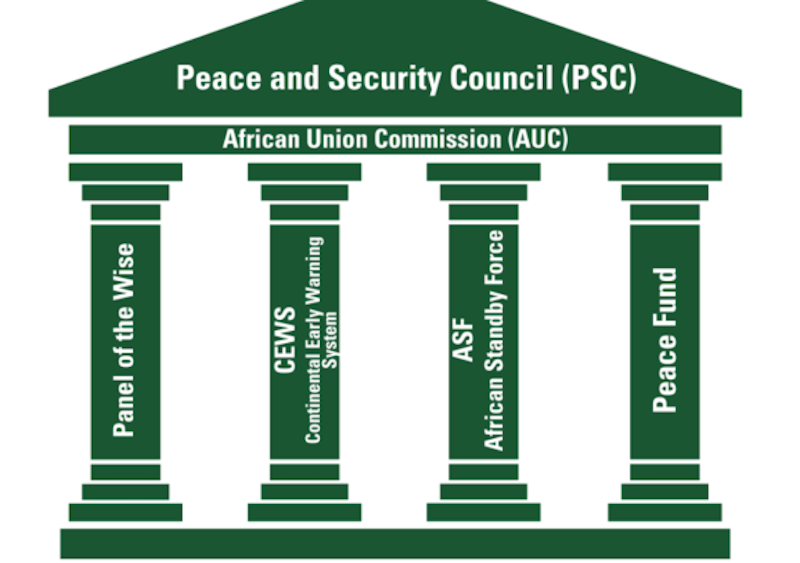
More than just an electoral issue, this episode reveals the depth of the political conflict between Morocco and the Sahrawi Arab Democratic Republic (SADR) over the continental organization’s most strategic organ, the Peace and Security Council (PSC).
Legal opinions with political implications
At the center of the controversy was SADR’s candidacy for the PSC. In December 2025, the AU’s legal advisor was consulted and published an opinion (not formally published, but reviewed by the African Information Authority) examining the eligibility criteria set out in the Council’s statutes.
One of these criteria is that candidate countries are required to maintain a sufficiently staffed African Union and UN Permanent Mission, as PSC member states are expected to coordinate with the UN Security Council. SADR cannot actually meet this condition because it is not a member state of the United Nations.
Importantly, however, the legal opinion does not explicitly conclude that this results in automatic disqualification. Although it pointed to structural difficulties, the final decision was left to the African Union’s political institutions. In other words, the debate remained unresolved.
Strategic withdrawal and response to Saharawi
A few days before the vote, the AU’s Saharawi delegation announced its withdrawal from the campaign and support for Libya’s candidacy. This retraction is not an admission of wrongdoing. In a diplomatic memo cited by African Intelligence, Saharawi Diplomacy instead referred to the “illegal occupation of parts of the territory of the Saharawi Republic” and questioned the legality of Morocco’s candidacy.
This position reflects a political interpretation of this process. In other words, this battle is not limited to technical issues, but concerns the fundamental question of the status of Western Sahara and the coherence of AU principles.
double-edged precedent
The article also notes that PSC eligibility criteria have not been systematically and rigorously applied for nearly two decades. Invoking them selectively only against SADR could expose the African Union to accusations of double standards.
Meanwhile, Morocco, which reintegrated into the AU in 2017, has sought to strengthen its influence within the organization. Foreign Minister Nasser Bourita stepped up bilateral talks on the sidelines of the Addis Ababa summit to strengthen support for Morocco’s position on Western Sahara.
Nevertheless, as reported in French newspapers, some African countries remain cautious and refuse to openly subscribe to the logic of eliminating SADR.
political conflicts remain
This episode resulted in neither a decisive legal victory nor a formal defeat. However, it confirms that the Western Sahara issue remains a structural factor within the African Union.
This legal opinion did not end the debate, but rather highlighted persistent tensions between formal standards and political arbitration. In this regard, discussions may resume at the next PSC election scheduled for 2028.
The sequence of events described by African intelligence agencies thus shows that the institutional conflict between Rabat and SADR continues not only in the traditional diplomatic arena, but also at the very core of the African Union’s normative mechanisms.
Victoria G. Corella
Source: “No olvides el Sahara Occidental” platform
#SaharaOccidental #AfricanUnion #Morocco #Polisario
Visited 6 times, visited 6 times today
