


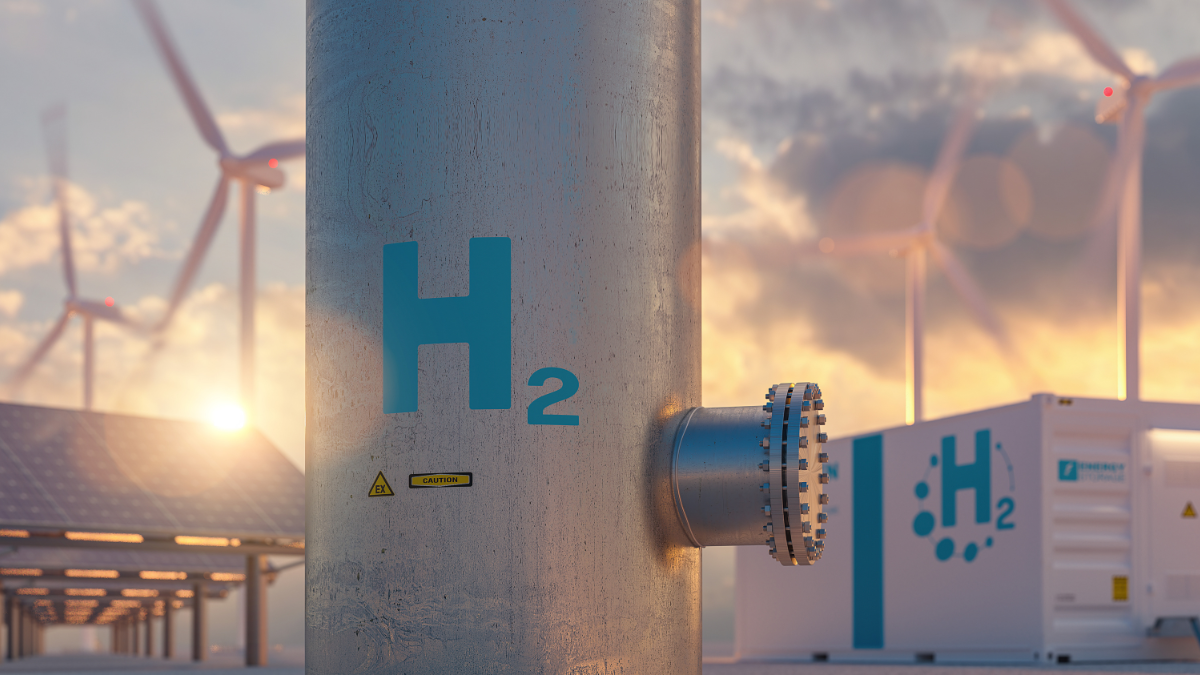
Nearly two-thirds of Africa’s planned solar and wind power generation will be exported to Europe in the form of green hydrogen rather than for domestic electricity supply, according to new analysis by the Global Energy Monitor (GEM). The report warns that this trend could hamper efforts to expand energy access across the continent.
Data from GEM’s Global Wind Power Tracker and Global Solar Power Tracker indicates approximately 350 GW of utility-scale renewable capacity is expected in Africa. These projects may be announced, pre-construction, or under construction. This planned capacity is almost 10 times the continent’s current operating capacity and equates to 380GW of solar power installed worldwide in the first half of 2025.

However, 61%, or 216GW, of 35 projects in countries including Botswana, Djibouti, Egypt, Kenya, Mauritania, Morocco, Mozambique, Namibia, South Africa, Gambia and Western Sahara have been earmarked for green hydrogen production for European energy and industrial markets.
GEM points out that 65% of the companies supporting these projects are European companies, which have no previous experience of building infrastructure of this scale. Fewer than half of projects have published construction schedules, and only one hydrogen-related renewable project is currently operational in Africa. The absence of a confirmed buyer or offtake agreement raises further questions about the viability of these mega-projects.
This analysis highlights Mauritania as the most extreme example. The country has plans for 79.5GW of wind and solar power, all related to hydrogen production, although it currently has only 0.3GW in operation. GEM likens its ambitions to building infrastructure nearly three times the size of China’s Three Gorges Dam, the world’s largest energy project.
Mozambique and Djibouti have only 0.1 GW and 0.06 GW of renewable energy capacity in operation, respectively, but developers are proposing 12 GW and 10 GW of green hydrogen capacity. GEM estimates that Mozambique could double its current power generation with 12 GW of wind and solar power, while Djibouti could reach European levels of per capita electricity consumption with around 3 GW of renewable energy.
Global Energy Monitor researcher Julie Makuga said European companies and governments must recognize the risks and be transparent about the speculative nature of these efforts.
“When hydrogen projects are proposed, people should have the autonomy to decide what kind of energy and exports are best for them,” Makuga said. “Small-scale, distributed wind and solar projects have already proven effective in improving energy access for millions of people across Africa. Hydrogen, by comparison, remains hypothetical.”
related
Learn more about Solar Quarter
Subscribe to receive the latest posts by email.
