


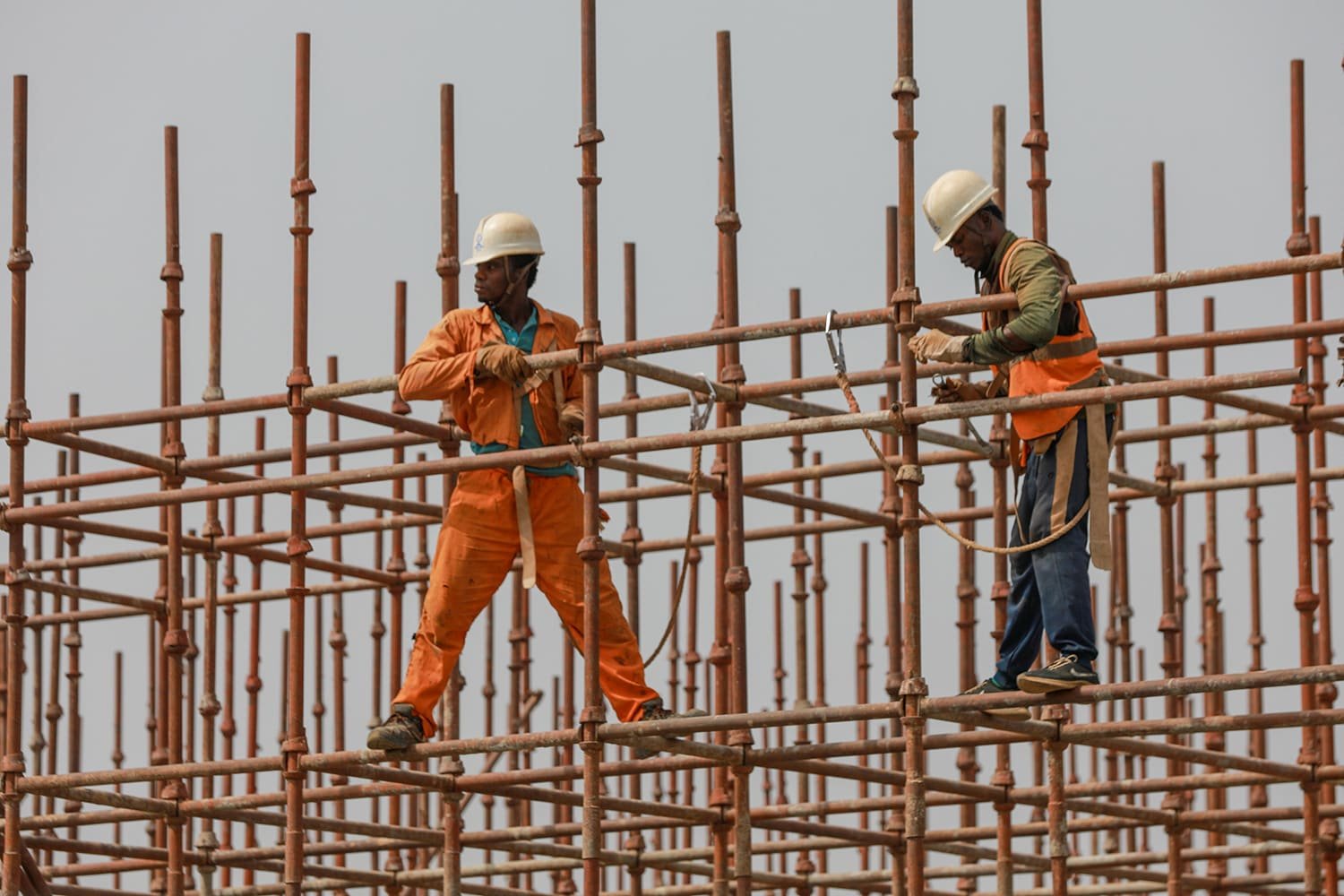
Africa’s urban housing shortage is already a serious problem, and without significant investment and policy intervention, it is likely to worsen over the next decade. As the continent’s rapidly growing number of young people flock to cities in search of work, many will struggle to find their place.
The imminent threat of massive housing shortages in many African cities threatens urban health and safety. Infectious diseases are particularly difficult to contain in densely populated informal settlements, where residents may not have access to clean water, sanitation, adequate ventilation, or emergency medical care if they become ill. In a region where respiratory infections, diarrheal diseases and vector-borne diseases are already the leading causes of death, the prospect of a prolonged health crisis in Africa’s growing cities poses serious challenges for the future. For Africa’s coastal cities, the importance of resilience from sea level rise and climate change further complicates planning for future housing needs.
Prospect of protracted health crisis in Africa’s growing cities poses serious challenges for the future
Moreover, housing shortages in urban areas can fuel powerful social frustrations, the psychological effects of facing marginal social status. When young people find themselves overpriced in the housing market, they can find themselves in a sociocultural impasse as they fail to achieve the expected symbols of adulthood. In the best-case scenario, that dissatisfaction will be effectively expressed politically in the form of demands for more responsive and responsible governance aimed at improving conditions and expanding opportunities in cities. However, when people’s demands are not met or are suppressed by strong-handed authorities, more violent conflicts can occur.
Of course, the challenges are not insurmountable. The continent’s changing demographics are creating attractive commercial opportunities for those equipped to help build the urban infrastructure of the future. It is no coincidence that the 28th Africa-France Summit, to be held in June this year, will focus on sustainable cities. France sees attractive economic opportunities in Africa’s rapidly expanding cities.
The simple need to address an immediate crisis could inspire innovative approaches to financing urban housing development
For decades, China has taken the lead in building all kinds of infrastructure in Africa, long before the Belt and Road Initiative was officially launched. However, despite high Chinese penetration in the continent’s construction and real estate sectors, affordable housing has not been a priority for Chinese investors.
Despite evidence of a construction boom in Africa’s growing cities, affordable housing needs remain difficult to meet due to the pace of migration, difficult economic conditions, the complex risks involved in providing housing to newcomers to the poorest urban areas, and the many land tenure laws (which govern how land is owned, transferred and used) and regulatory constraints that constrain the rapid construction of sustainable housing solutions. These last constraints, if urgently addressed by African technocrats, can remove legal and zoning barriers to urban housing development, paving the way for the significant investments needed to address the housing shortage and meet projected demand. The simple need to address an immediate crisis can stimulate innovative approaches to financing urban housing development. But that only happens if leaders set the stage for success.
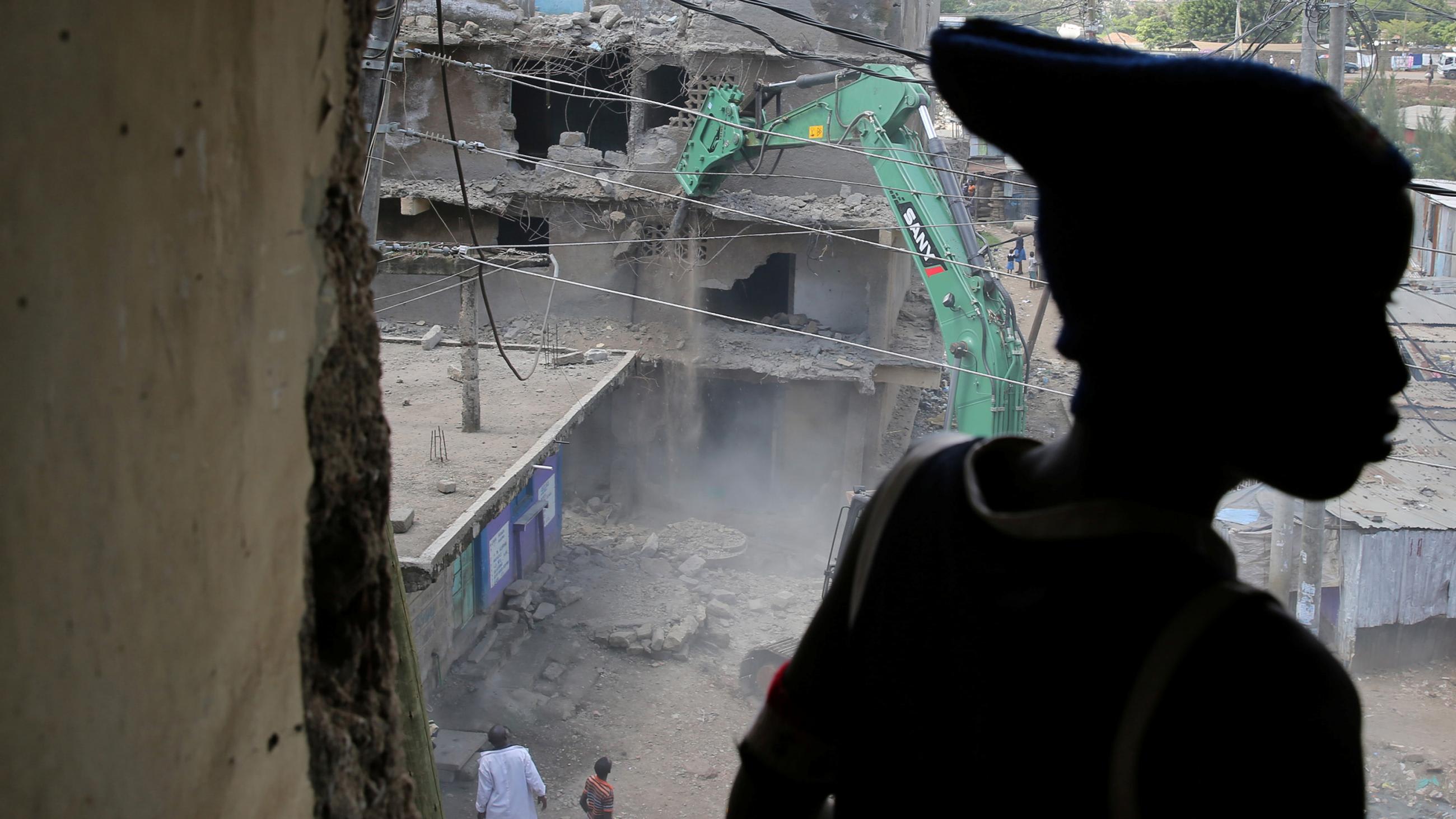
A young boy watches as Kenyan authorities demolish one of hundreds of dilapidated residential buildings in Nairobi on May 17, 2016, shortly after a six-story building collapsed earlier that month, killing 51 people.
Reuters/Goran Tomasevic
Editor’s note: This story has been expanded by the author and the accompanying graphics have been adapted from a previous post on CFR.org.
