


Atlas Petroleum, linked to Nigerian oil tycoon Arthur Eze, has lost its interest in a strategically important offshore gas license in Equatorial Guinea due to a dispute with operator Chevron.
According to Africa Intelligence, Atlas previously held a 27% interest in Block I, which includes the Asen field, the center of Equatorial Guinea’s gas export system.
The stake has now been transferred to national oil company GE Petrol, which already held a 5% stake, following allegations that Atlas delayed payments related to license fees.
Meanwhile, Chevron had spent months dissociating itself from its Nigerian partner, claiming it had not met its financial obligations.
The resulting change in ownership removes a major hurdle to the long-delayed Asengas monetization project, which is expected to require billions of dollars in investment.
Under the revised structure, GE Petrol’s increased stake will be borne by Chevron during development, with costs recoverable from future production, allowing the project to proceed without placing an immediate burden on national finances.
States strengthen their role in gas expansion
Ahead of the latest development, OilPrice.com reported that Equatorial Guinea had signed a letter of intent with Chevron to increase GEPetrol’s stake in the Asseng project to 32.55% from 5% previously.
At that time, Atlas Oranto had already been removed from the project.
The move strengthens the government’s push to tighten control over gas development under the Expanded Gas Megahub Strategy.
The agreement was signed in the presence of senior government officials, Chevron executives and the U.S. ambassador following negotiations that began after a visit to Washington by Equatorial Guinea’s vice president in 2025.
Senegal cancels long-stalled license
Officials said the privately held oil and gas company was unable to provide the necessary bank guarantees and had only carried out limited exploration work since acquiring the block in 2008, despite multiple extensions.
Venezuela revelations increase pressure
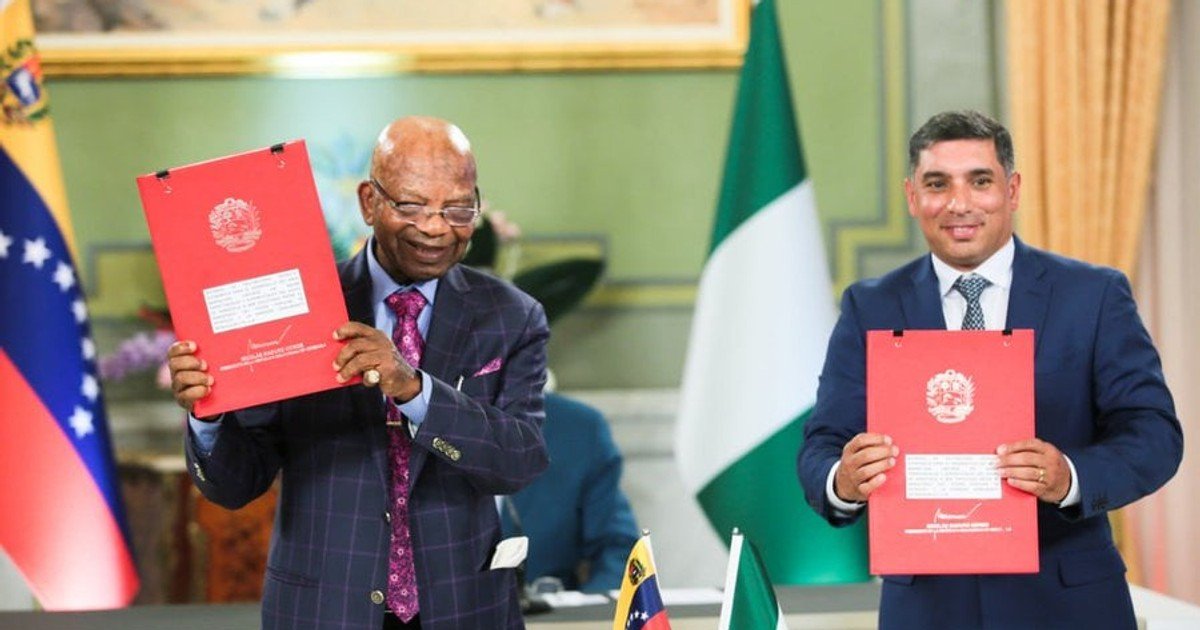
Beyond Africa, Atlas Oranto faced growing uncertainty in Venezuela, where the group was pursuing offshore gas opportunities through its subsidiary Beneorant Petroleum.
In August 2024, Beneolant signed a contract with state oil company Petroleos de Venezuela SA (PDVSA) to carry out technical and economic studies of the Barracuda and Boca de Serpiente offshore gas fields, placing the Nigerian-linked company within Venezuela’s highly sanctioned energy sector.
However, the business environment changed due to changes in US policy regarding Venezuelan oil.
On January 29, 2026, the U.S. Department of the Treasury’s Office of Foreign Assets Control issued General License 46, authorizing certain transactions involving Venezuelan oil by existing U.S. entities, subject to strict conditions.
The new licensing regime, combined with a hydrocarbon law passed by Venezuela’s interim authorities, aims to accelerate the privatization of the energy sector and favor investments aligned with Western countries over contracts signed during the Maduro regime.
Agreements related to the previous administration, including those on Atlas Oranto, now face the possibility of renegotiation or abandonment as the U.S. government seeks greater oversight of oil revenue and payment flows.
