


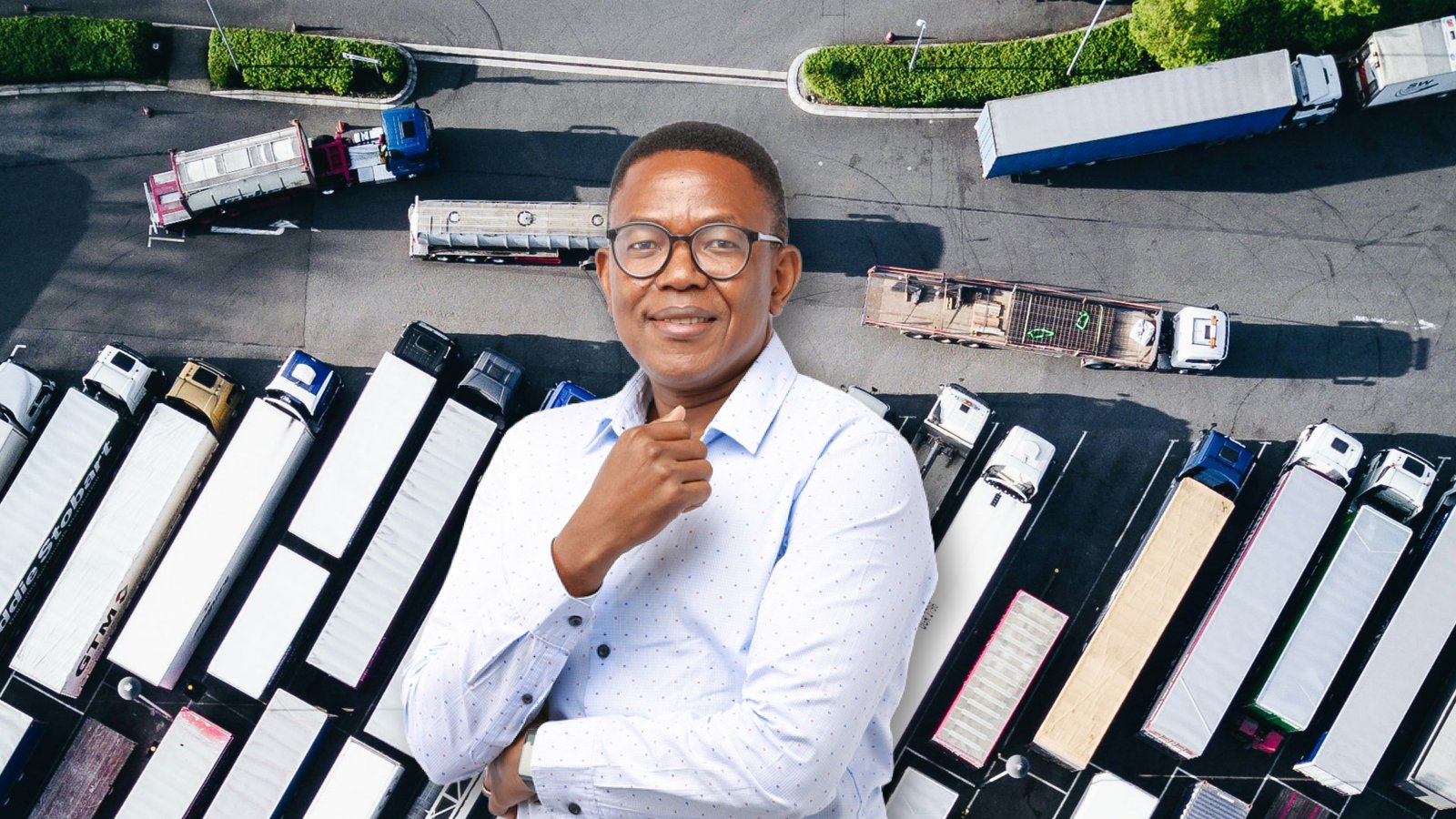
South Africa’s agricultural sector is thriving, with 44% of exports currently going to African markets. Paul Makhube, senior agricultural economist at FNB Commercial, said although the AfCFTA had reduced trade barriers, physical infrastructure remained a significant bottleneck.
South Africa’s agricultural trade performance tells an impressive story. Approximately 44% of the country’s agricultural exports currently flow into African markets, making the continent a major destination for agricultural products. The African Continental Free Trade Area (AfCFTA) aims to expand this opportunity for all African countries through deepening intra-African trade.
While the need for tariff reductions and trade agreements has been primarily addressed through AfCFTA signatories, real change will come from investment in the physical infrastructure and technology needed to move products more efficiently across borders.
For example, much of South Africa’s agricultural products destined for other African markets are still transported by sea rather than by land, highlighting that those wishing to trade with Africa’s neighbors still face infrastructure challenges and rising costs.
Improving regional trade is not just about selling more products across borders, however. It is essentially about building resilience to climate change and production fluctuations that still leave many African countries vulnerable to food insecurity.
If farmers do not have access to improved infrastructure, their produce often rots before it reaches the market. If countries cannot reliably produce enough to feed themselves, they become dependent on imports and vulnerable to global price shocks.
Required input
Besides the need to improve trade ecosystems, Africa’s crop yields remain relatively low, largely due to limited access to fertilizers and seeds. Building fertilizer production capacity on the continent would reduce dependence on fragile global supply chains and improve access for smallholder farmers. It will also create much-needed employment opportunities across the agricultural value chain.
Access to climate-hardened, disease-resistant and high-yielding seed varieties provides another important avenue to enhance food security. These technologies can help farmers survive increasingly frequent climate threats, but they must be affordable and accompanied by the knowledge to use them effectively.
Related articles
The value of innovative finance for the future of Africa’s agriculture
Even if we achieve improved infrastructure and better access to inputs, these advances can only fully take hold if we also address the fundamental financing challenges facing African agriculture. This requires rethinking how risks are assessed and shared. Traditional commercial lending is often plagued by agricultural production cycles and the unique risks faced by smallholder farmers.
The answer lies in mixed finance mechanisms that bring together development finance institutions and commercial banks to create sustainable and patient capital structures.
These risk-sharing agreements recognize that supporting agricultural transformation is an investment in food security, economic development, and climate resilience. When farmers have access to appropriate financing, they can adopt improved technology and develop consistent production capacity, making them more attractive to commercial lenders. This virtuous cycle requires intentional intervention.
This is where the three pillars really come together. Innovation and input improvements mean little if farmers can’t afford them. Without investment capital, better yields remain theoretical. And even advanced technology cannot reach its potential if products are not delivered to market efficiently. Transforming Africa’s agriculture requires coordinating all three sectors simultaneously.
global responsibility
Importantly, Africa’s agricultural transformation is not just an African challenge. Many G20 countries maintain heavy agricultural subsidies while imposing tariffs that make it difficult for African producers to compete in international markets. Lowering these barriers and opening up access to developed markets would allow African countries to reinvest trade revenues into the very technology and infrastructure needed to expand production and improve food security.
This is not about preferential treatment. It is about fair conditions that recognize developmental needs. When African farmers can compete fairly in global markets, they generate income that goes back into technology adoption, infrastructure development, and food security, with benefits that extend far beyond individual farms and countries.
Ultimately, Africa’s agricultural transformation will require concerted progress across trade infrastructure, innovative inputs, and adequate financing, but once the world recognizes that the continent’s agricultural potential is more than just a problem to be solved, solutions will materialize with the speed needed. It’s an opportunity to make it happen.
The framework for implementing this solution is in place, the opportunity is clear, and the urgency has never been greater. Now begins the work of implementation, coordination and sustained investment in Africa’s agricultural future.
Paul Makube is a senior agricultural economist at FNB Commercial. The views and opinions expressed in this article are those of the author and do not necessarily reflect the views and positions of Food For Mzansi.
Read next: Steenhuisen praises farmers and workers as the heartbeat of the nation
