


On November 23, 2025, the 20th G20 Summit concluded in Johannesburg, South Africa. As the first summit to be held on the African continent since the establishment of the G20 mechanism, it not only saw the adoption of a wide range of leaders’ declarations, but also witnessed the birth of the Cooperation Initiative to Support Africa’s Modernization, jointly launched by China and South Africa.
China and Africa jointly upheld multilateralism, echoed the powerful call of our time to jointly forge a path to modernization, and ushered in a remarkable “Southern moment” in global governance.
The six basic principles and six key areas of cooperation outlined in the Cooperation Initiative to Support Africa’s Modernization align seamlessly with the six modernization points proposed by Chinese President Xi Jinping in his keynote speech at the Forum on China-Africa Cooperation (FOCAC) Beijing Summit last September.
These principles get to the heart of the matter, resonate with the pressing needs of developing countries, and provide a path to modernizing the world. Countries in the Global South are evolving from participants in global debates to providers of global solutions.
Chinese and African peoples’ understanding of the laws governing modernization has deepened. This initiative focuses on six key areas and provides important answers to the problems of human modernization. Justice and equity represent the universal aspirations of modernity.
We must strengthen exchanges on governance experience and explore modernization paths suited to each country’s circumstances. Openness and win-win constitute an important path to modernization. We must deepen mutually beneficial cooperation in all fields and jointly implement global development initiatives.
Human-centered development is a prerequisite for modernization. We must focus on increasing people’s sense of fulfillment and well-being and ensuring that modernization benefits all citizens. Diversity and inclusion foster the spirit of modernity. We must insist on equal dialogue, mutual respect and inclusive coexistence between different civilizations.
Sustainable development is a hallmark of modernization. We must strengthen cooperation in green development and promote coordinated economic, social and environmental progress. Peace and security are essential safeguards for modernization. We must uphold the principle of African solutions to African problems and contribute to world peace and stability.
The momentum for development in African countries is increasing. The summit focused on development cooperation and provided an “African perspective” to address global challenges. It effectively aligned the Belt and Road Initiative and the Global Development Initiative with the African Union’s Agenda 2063 and African countries’ development strategies, and provided practical measures to advance the modernization of African countries. The first is to alleviate the debt crisis in African countries.
Political commitments were made to address debt vulnerabilities in low- and middle-income countries, helping Africa address its debt problem through an effective, comprehensive and systematic approach. The second is to take advantage of Africa’s major mineral resources.
Strengthen international cooperation on green infrastructure and green mining, increase the added value of Africa’s mineral products, and enable African countries to better integrate into global industrial, value and supply chains and share the benefits of economic globalization. Thirdly, we need to improve Africa’s technological capabilities. Strengthen support for technology and capacity building in Africa, tailor approaches to country needs, and strengthen African countries’ capacity for self-development.
The tendency for China and Africa to work hand in hand to lead global governance is becoming increasingly clear. Originating from international cooperation in response to the global financial crisis, the G20 serves as a multilateral mechanism for all parties to jointly address global challenges. At this critical juncture in global governance reform, equal participation of developing countries, including Africa, in key global governance decisions is essential to achieving fair and effective governance.
This summit provides a valuable opportunity for the Global South to advance global governance reform. Key elements of this initiative are consistent with President Xi Jinping’s proposals for global governance and Africa’s aspirations for fair, inclusive and self-reliant development. Going beyond traditional aid models to form a partnership-based paradigm for South-South cooperation. The coming together of countries in the Global South for self-strengthening will provide a vital impetus for building a more just and sustainable world order.
There is an African proverb that says, “Alone we go fast, but together we go far.” China also has the traditional concept of “benevolence towards people and love towards all things, and the world will achieve cosmic harmony.” This philosophy of harmonious coexistence embodies the Ubuntu spirit that the initiative espouses and represents humanity’s response to the questions of our time. China has reached important agreements with dozens of countries, including Nigeria, to build a bilateral community of shared destiny. We are moving forward together on the road to modernization, sharing development opportunities, jointly tackling global challenges, and building an all-weather community with a common future for a new era.
China and Nigeria, both developing countries, have implemented a number of “small and beautiful” projects under the framework of the Big Ten Partnership Initiative, which have brought tangible benefits to their people. Platforms such as Confucius Institutes, Chinese language classes, and Luban workshops have fostered cultural exchange and mutual learning. The Lekki deep-sea port has set a new standard for China-Africa economic and trade cooperation, and the Lagos light rail Red Line and Blue Line projects have facilitated green commuting for residents.
China and Nigeria both have large populations and complementary economic structures, with immense potential for development. Both countries should continue to explore opportunities for cooperation in infrastructure, green mining, digital economy, and agricultural modernization, while promoting economic and trade cooperation, regional exchanges, and people-to-people exchanges to advance the development and revitalization of the Global South.
Human progress is progressing step by step in response to the questions of the times. This initiative has laid out a blueprint, and China and Africa are walking hand in hand on the great road to modernization. Through close cooperation between the two sides and the joint efforts of the international community, this initiative will surely become a reality. A more just, inclusive and sustainable world is upon us.
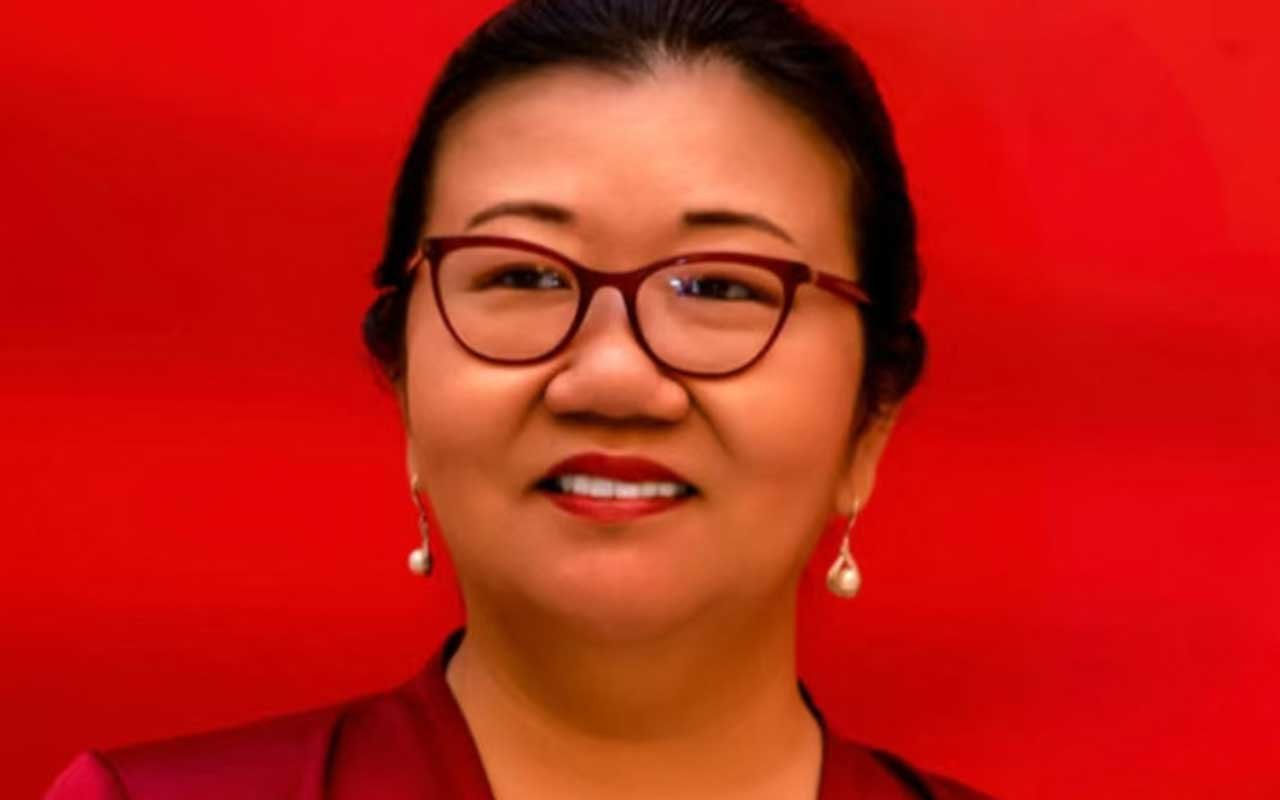
Yang Yuqing is the Consul General of the People’s Republic of China in Lagos.
