Close Menu
Xsum NewsXsum News

    Stay Updated.

    Get the latest Africa-focused business & infrastructure news and more directly to your inbox.

    What's Hot

    Africa risks losing $415 billion a year without sustainable finance

    Breaking down barriers to private sector investment to build resilience on West Africa’s coasts

    Cape Verde secures €17.7 million from African Development Bank, what digital transformation plan actually means for Africa’s future

    Facebook X (Twitter) Instagram
    Trending
    • Africa risks losing $415 billion a year without sustainable finance
    • Breaking down barriers to private sector investment to build resilience on West Africa’s coasts
    • Cape Verde secures €17.7 million from African Development Bank, what digital transformation plan actually means for Africa’s future
    • FG Gold, AFC and Afreximbank close on USD 330 million senior debt financing for Baomafun Gold Project — TradingView
    • Africa needs to build its own cybersecurity intelligence, Tisel CEO says at AfriTech 5.0 – Nigerian CommunicationWeek
    • SA construction comes roaring back: 10% jump signals sector revival
    • Comoros to win subsidy from AfDB for geothermal project
    • Gabon strengthens regional energy profile with minister’s participation in MSGBC 2025
    X (Twitter) Instagram YouTube LinkedIn TikTok
    Xsum NewsXsum News
    • African Development Bank
    • Africa Finance Corporation
    • All Africa – Construction & Infrastructure
    • Africa Intelligence
    • Construct Africa
    • More
      • Mining Review Africa
      • Energy Capital Power
      • Sustainability & Climate-Resilient Infrastructure
      • Private-Sector Infrastructure Players
      • Urban Development & Housing
    Xsum NewsXsum News
    You are at:Home»Africa Finance Corporation»Building Africa’s resilience requires a new financial architecture
    Africa Finance Corporation

    Building Africa’s resilience requires a new financial architecture

    Xsum NewsBy Xsum NewsNovember 17, 2025No Comments4 Mins Read0 Views
    Facebook Twitter Pinterest Telegram LinkedIn Tumblr Email Reddit
    Share
    Facebook Twitter LinkedIn Pinterest WhatsApp Email

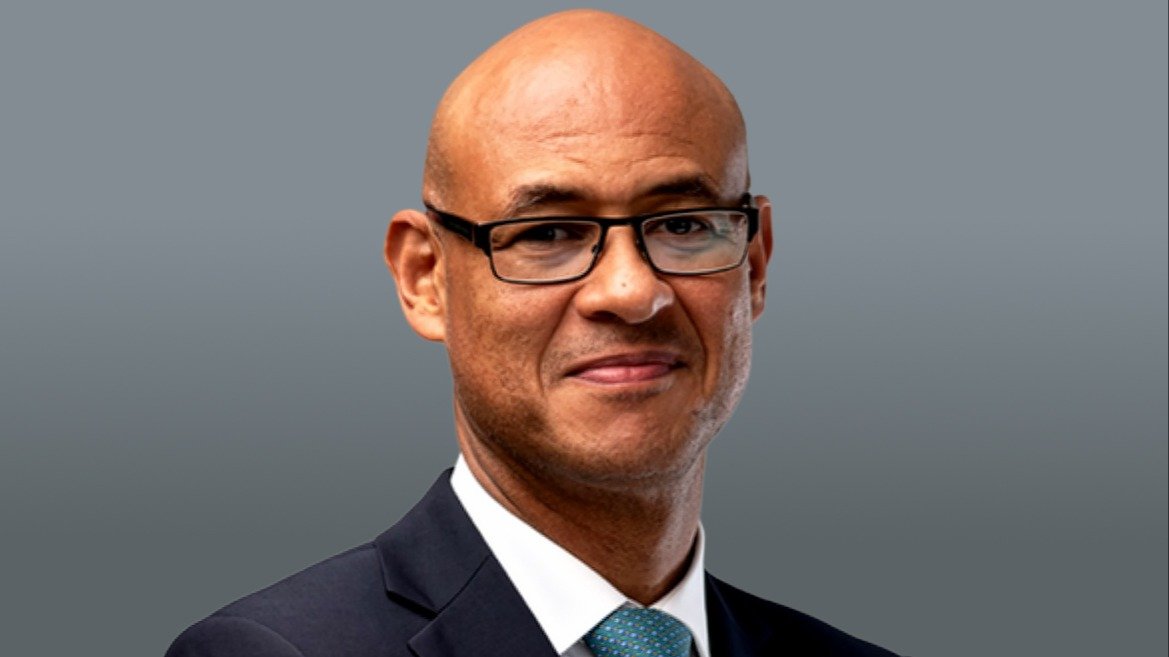
    The author is Ecobank Group Chief Executive Officer

    Africa’s development challenges are further exacerbated by a lack of affordable long-term capital. Shallow domestic markets and high borrowing costs have left governments, banks and businesses overly dependent on unstable foreign financing. As a result, premiums remain strong. Africa pays more for access to capital than almost any other region, and double-digit spreads are often driven by misperceptions rather than fundamentals.

    This burden exposes African economies to global shocks and shortens investment horizons. Sovereign ratings often act as ceilings on private borrowing, so businesses face the same inflated risk premiums as governments, limiting their ability to secure the long-term financing they need for growth that drives manufacturing expansion and job creation.

    The scale of the problem is enormous. According to United Nations estimates, Africa’s external debt repayments in 2024 will reach nearly $90 billion. Many African governments currently spend more on interest payments than on critical areas such as health, climate adaptation, infrastructure and education, directly undermining the continent’s long-term development and resilience.

    These numbers are important because financial structures and prices determine which projects get built, which companies scale, and which economies can compete and grow.

    Reducing the cost of capital must become a strategic priority if Africa is to achieve resilience and self-sufficiency. From a bank’s perspective, there are three interlocking paths on the path to achieving this.

    1. Mobilize African institutional capital for strategic investments

    Africa’s institutional capital (pensions, insurance, sovereign funds) remains one of the continent’s most underutilized instruments of growth. While these funds have traditionally sought the safety of government debt, the real opportunity lies in allocating even small amounts to highly productive private sector assets.

    Reforming investment rules, deepening secondary markets and improving the project pipeline will allow pension managers to invest with confidence without compromising their fiduciary responsibilities.

    The government is already taking steps to enable this change. For example, Nigeria’s pension industry operates under a 5% cap on alternative assets, but only uses about a third of that cap, while Ghana recently introduced a new 5% rule for private equity. This shows both the appetite and potential of regulators.

    The African Finance Corporation estimates that with the right enabling framework, up to $4 trillion of domestic assets could be channeled into productive investments. Over time, integrating African savings into domestic growth will create a virtuous cycle in which local institutions finance development priorities in their own currencies, stabilize economies, and promote true financial sovereignty.

    2. Empowering local constituencies in strategic areas

    Africa’s competitiveness depends on developing and scaling local champions in sectors that are still dominated by international companies, such as natural resources, energy, logistics and trade finance.

    The role of the financial sector here is to design financing architectures that underpin African ownership, improve value retention and deepen industrial capacity.

    Uganda’s Ecobank’s €230 million infrastructure facility, co-financed by the Development Bank of Southern Africa and Rand Merchant Bank, exemplifies this approach in which African institutions pool their balance sheets to finance projects of national importance while preserving fiscal space.

    Beyond infrastructure, structured trade and supply chain finance remain powerful tools to free up working capital and support domestic manufacturing and agribusiness, which are critical to job creation.

    3. Expand blended finance and patient partnerships with DFIs

    Development finance institutions have a catalytic role. DFIs can transform commercially marginal projects into bankable and scalable projects through means of absorbing initial losses, de-risking currency exposures, and extending maturities. When concessional tranches are fused with commercial capital, they transform the economics of energy, transport and small business projects, unlocking sectors critical to growth.

    Recommended

    President Trump’s ‘deeply concerning’ tariffs make intra-African trade essential

    The Ecobank partnership shows how this model works in practice. For example, a $25 million risk-sharing facility with British International Investment will enable local currency financing to small and medium-sized businesses in Sierra Leone. Additionally, our sustainability financing and innovative capital market instruments demonstrate the potential to channel funds into green and social assets through multilateral partnerships.

    Africa’s path to financial sovereignty requires common action, from regulators modernizing their frameworks, to pension funds investing with purpose, DFIs sharing risk, and governments ensuring predictability.

    Ecobank will continue to provide syndication, origination and underwriting services across the market. But lasting resilience will only come if Africa sets its own fiscal conditions and makes affordable capital the cornerstone of its growth story.

    Africas architecture Building financial requires resilience
    Share. Facebook Twitter Pinterest LinkedIn Reddit WhatsApp Telegram Email
    Previous ArticlePowering Africa’s future: How Snowflake Intelligence is redefining data-driven success
    Next Article AfDB and WHO launch major project to restore health services across Sudan
    Xsum News
    • Website

    Related Posts

    Breaking down barriers to private sector investment to build resilience on West Africa’s coasts

    December 6, 2025

    Cape Verde secures €17.7 million from African Development Bank, what digital transformation plan actually means for Africa’s future

    December 6, 2025

    FG Gold, AFC and Afreximbank close on USD 330 million senior debt financing for Baomafun Gold Project — TradingView

    December 6, 2025
    Leave A Reply Cancel Reply

    Top Posts

    A United Continent on the Move: Ambassador Kouyateh’s Call for an African Logistics Renaissance

    November 20, 202527 Views

    2 Core infrastructure for African submarine cable completed China Mobile advances digital intelligence development in Africa

    November 20, 202512 Views

    LIBERIA’S DEVELOPMENT AGENDA GAINS GLOBAL ATTENTION

    November 18, 202511 Views

    Africa’s clean cooking drive depends on carbon credit reform and transport upgrades

    November 25, 202510 Views
    Don't Miss
    Sustainability & Climate-Resilient Infrastructure December 6, 2025

    Africa risks losing $415 billion a year without sustainable finance

    Unless sustainable financing sources are secured to improve infrastructure, particularly in the energy sector, Africa…

    Breaking down barriers to private sector investment to build resilience on West Africa’s coasts

    Cape Verde secures €17.7 million from African Development Bank, what digital transformation plan actually means for Africa’s future

    FG Gold, AFC and Afreximbank close on USD 330 million senior debt financing for Baomafun Gold Project — TradingView

    Stay In Touch
    • Twitter
    • Instagram
    • YouTube
    • LinkedIn
    • TikTok

    Stay Updated.

    Get the latest Africa-focused business & infrastructure news and more directly to your inbox.

    About Us
    About Us

    Xsum News is Africa’s digital window into the future of business. We tell stories of innovation, enterprise, and investment that are shaping the continent’s economic rise. African Business, Added Up.

    X (Twitter) Instagram YouTube LinkedIn TikTok
    Our Picks

    Africa risks losing $415 billion a year without sustainable finance

    Breaking down barriers to private sector investment to build resilience on West Africa’s coasts

    Cape Verde secures €17.7 million from African Development Bank, what digital transformation plan actually means for Africa’s future

    Most Popular

    African Development Bank praises Algeria’s development model, aims to replicate its success across the continent

    Considering the redefinition of African capital by UBA and Arauba

    G20 Energy Investment Forum brings together Africa’s top finance, insurance and technology leaders

    © 2025 Xsum News. All Rights Reserved.
    • 🌍 About Xsum News
    • 📬 Contact us
    • Privacy Policy
    • Terms & Conditions
    • Disclaimer

    Type above and press Enter to search. Press Esc to cancel.