


Building gender-inclusive infrastructure strategies to adapt to climate change in Africa
Incorporating a gender perspective into climate-resilient infrastructure development can increase effectiveness and reduce the risk of perpetuating inequalities within infrastructure. This is why the Global Center for Adaptation (GCA) is incorporating a gender perspective into the development of climate-resilient infrastructure projects. This is a key focus of its mission.
Empowering women and strengthening infrastructure in Kenya
GCA is working with African governments to assess national infrastructure as part of national climate resilient infrastructure roadmaps. Kenya’s infrastructure is highly vulnerable to extreme heat, floods, and storms. In many situations, women are responsible for the energy and water supply of these climate-sensitive households.
GCA collaborated with the University of Nairobi to conduct a climate risk analysis as part of Kenya’s National Climate Resilient Infrastructure Roadmap. The climate risk analysis included gender dimensions regarding access to transport, energy, water, and information and communication technology. This confirms the reality that women are more affected by disruptions to infrastructure services during climate disasters such as floods, droughts and high temperatures.
The analysis also highlighted the national gender digital divide, with women having significantly less access to and control over their mobile phones than men. This disparity, coupled with women’s low literacy rates, impedes their ability to receive timely climate information via mobile devices, thereby exacerbating women’s vulnerability. The analysis also revealed gender disparities in decision-making, with significantly lower participation of women both at the household level and in climate-related decision-making.
The roadmap served as an important tool to assist the central government in assessing the country’s roads. Gender dynamics highlighted in climate risk analyzes have led to recommendations that include gender-responsive adaptation measures. Proposed strategic measures include, but are not limited to:
Collecting gender-disaggregated data on infrastructure use, engaging stakeholders in gender-sensitive ways, conducting gender analysis, implementing gender-responsive budgeting and procurement, and mainstreaming gender throughout the public-private partnership cycle.
Gender-sensitive urban climate adaptation in N’Djamena, Chad
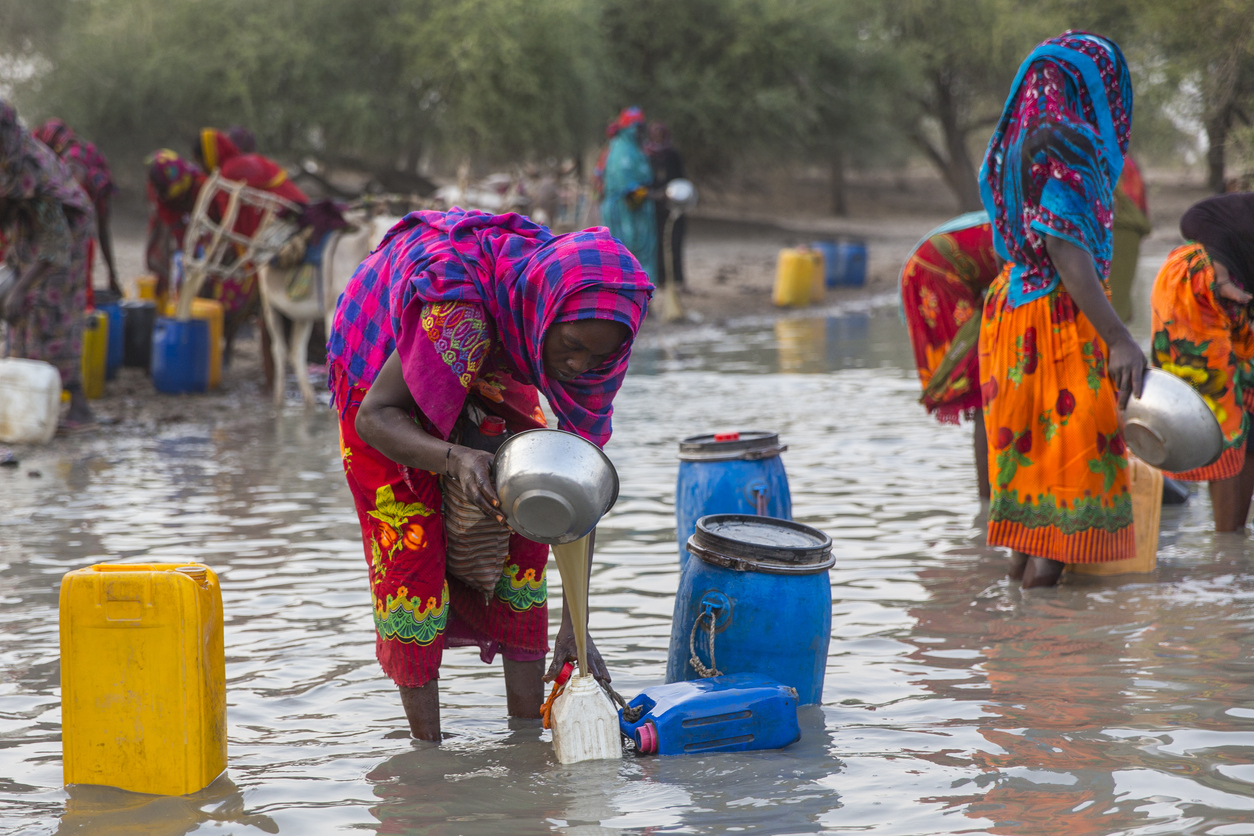
GCA actively incorporates gender considerations into its water and urban program projects. Conducted gender vulnerability assessments and integrated results into project recommendations and decision-making tools.
In N’Djamena, Chad, this assessment revealed insights into the roles and responsibilities of men and women, and thus gendered vulnerabilities to climate change in the city. In N’Djamena, women have the primary responsibility for childcare, water, energy, and food. Securing these essentials can be especially difficult during periods of flooding and heatwaves. Additionally, low educational attainment and limited decision-making authority within the community constrain women’s ability to adapt. Women are also at increased risk of gender-based violence during climate-related events.
Recognizing these challenges, the proposed solution had the following objectives:
Reducing family burdens on women and promoting access to water and energy; creating income-generating opportunities for women and youth; promoting access to information, including early warning systems. Supporting women’s decision-making in local communities.
The recommendations called for improving the resilience of urban infrastructure, as well as women’s autonomy, urban sanitation, and food security. Efforts were also made to reduce the economic burden on women.
Gender-sensitive solutions for water resilience in Borana, Ethiopia
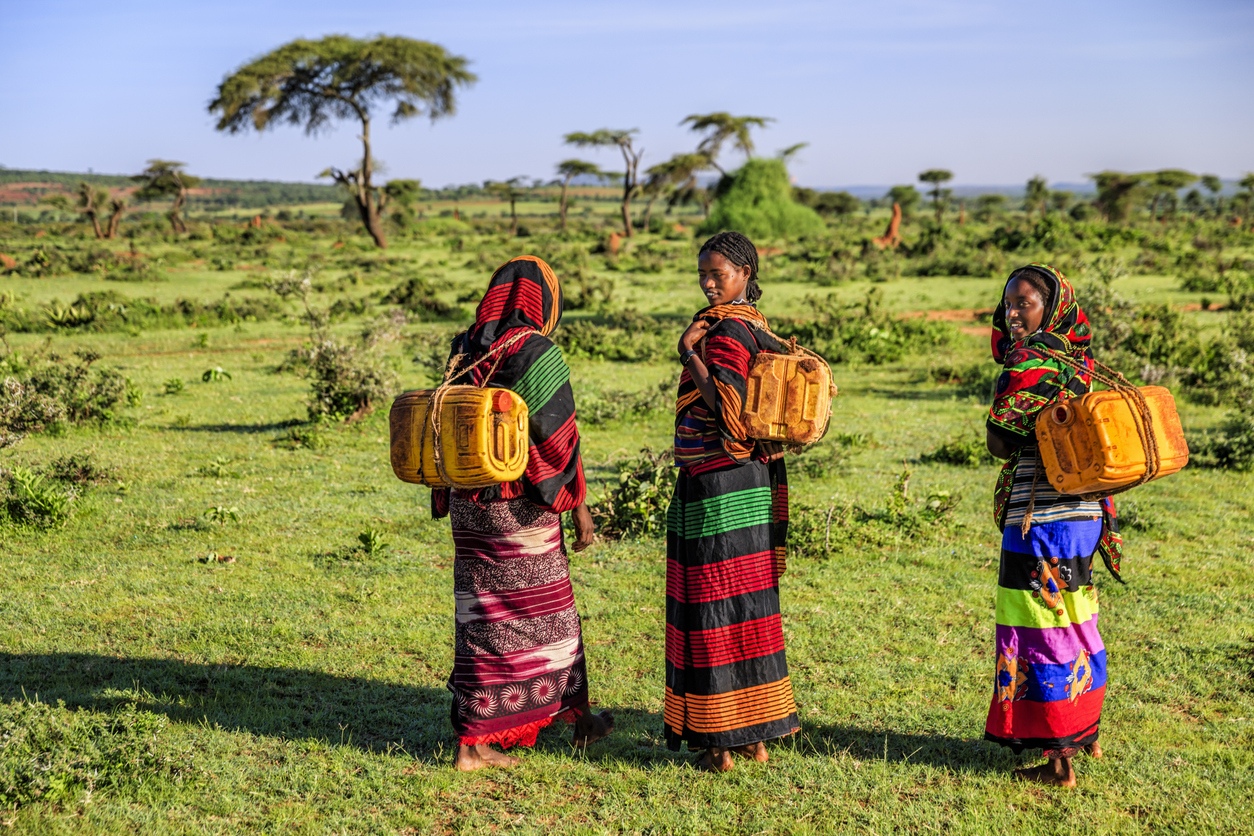
In Borana, Ethiopia, GCA conducted a gender vulnerability assessment and developed a gender action plan as part of a project to provide climate-resilient water services. The project goals were to develop water infrastructure, support integrated water management, strengthen water and sanitation facilities in schools, and introduce affordability.
Climate change poses a serious challenge to the Borana people, many of whom are agro-pastoralists whose livelihoods depend on access to water. Pastoral women are responsible for household activities, while men are responsible for economic resources, property ownership, and political decision-making. The effects of climate change will exacerbate existing challenges that women and girls typically face. For example, women in the region spend five to six hours each way fetching water and carrying 25-liter jerry cans, a task that becomes even more difficult during droughts. This wastes women’s time and energy and prevents them from participating in other socio-economic activities.
Furthermore, the decline in livestock is depriving women of important resources such as milk and butter, which are their main source of income. This adds a financial burden to household budgets, especially to cover small expenses. The evaluation results led to the development of a gender action plan to address gender gaps related to water availability, division of labor, gender-based violence, decision-making autonomy, social norms, hygiene, hygiene, health, and education.
This study suggests considering adaptation options that respond to the identified challenges and offer the dual benefits of reducing gender inequality and strengthening resilience to climate change. For example, in watershed construction, it is important to form a gender-balanced management committee. Doing so will ensure that women actively participate and are represented in leadership and decision-making roles where they are often marginalized. The recommendations emphasize the collection and monitoring of gender-disaggregated data within evaluation frameworks to prevent gender gaps and barriers from worsening throughout operations. The study recommends targeted advocacy and community dialogue to dismantle harmful gender norms that increase the vulnerability of women and girls in a changing climate. Such dialogues need to address important issues such as women’s workload and its impact on climate change events, and women’s safety within their communities.
Empowering women: the key to inclusive infrastructure development
Particularly in the face of climate change, the integration of gender-responsive approaches in infrastructure development has emerged as both a necessary step and an opportunity for transformation. As we move forward, it is important that we continue to prioritize gender-sensitive approaches to infrastructure projects. In doing so, we build resilience to climate change and promote fairer and more sustainable societies for all. By promoting women’s empowerment and ensuring their meaningful participation, we can truly harness the full potential of infrastructure as a tool for inclusive development and climate resilience.
Related blog posts:
