


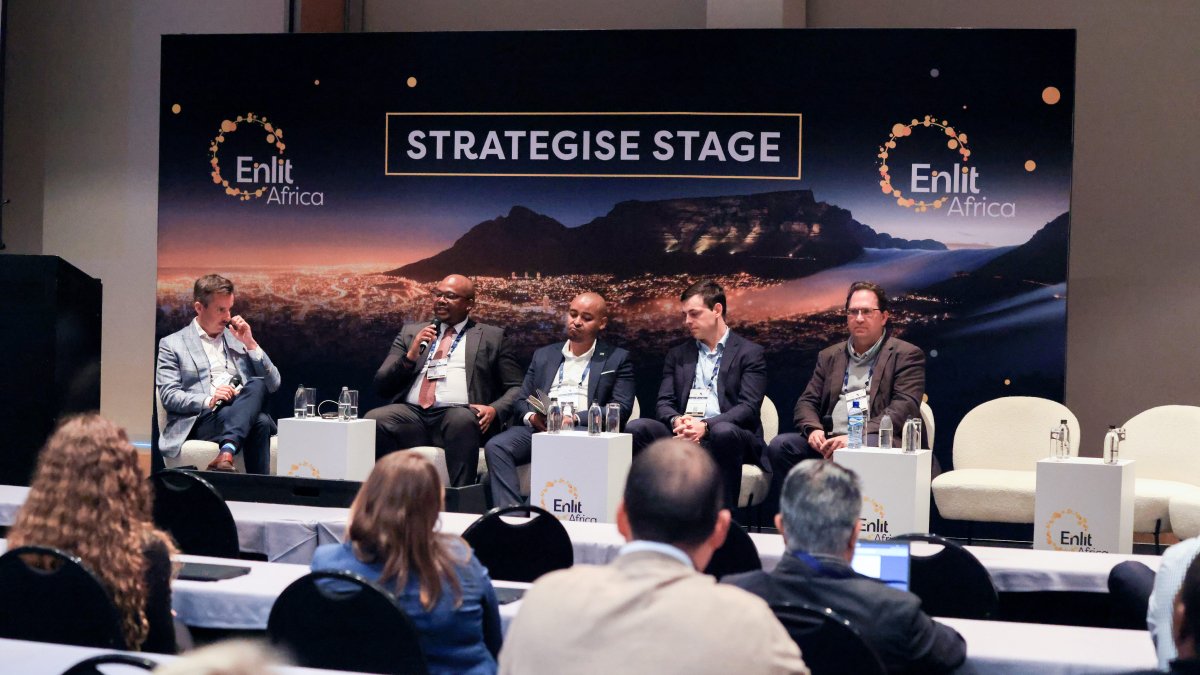
Enlit Africa 2026 Technology Program: Built for Engineers Working Under Job Stress
Across Africa’s power and water sectors, engineers are under increasing pressure to make technical decisions in systems. Grid instability, renewable energy integration, aging infrastructure, increasing demand, and rising performance expectations are no longer occasional problems. These are day-to-day operating conditions across power generation, transmission, distribution and water networks. Technology teams are expected to maintain system reliability while introducing new technologies, respond to fluctuations, and do more with assets that are often past their design life.
The Enlit Africa 2026 technical program was built for engineers and technical managers working in this reality. It is designed to support practical decision-making rather than abstract discussion. The program is free to join and delivered through technical hub sessions, hands-on learning, and technical site visits. Using real-world case studies and applied technical insights, we focus on how systems work in practice across power systems, renewable energy and storage, and water infrastructure. All technical sessions are CPD accredited, allowing engineers to earn professional development credits while developing competency and maintaining professional compliance.
The main theme of this program is grid performance, which is under increasing pressure across the continent. Engineers are dealing with last-mile delivery challenges, aging distribution infrastructure, and increasing demand fluctuations, all of which make maintaining reliability difficult. Power Hub technical sessions at Enlit Africa 2026 are built around the operational problems that our technical teams are currently actively solving. Topics include power distribution monitoring and metering, last-mile power delivery, real-time analytics, predictive maintenance, and more. The purpose is clear. Enables substantial improvements in system reliability and operational performance. For engineers and technical managers responsible for grid monitoring, maintenance strategies, and operational optimization in 2026, this program has a direct bearing on the decisions they make.
Artificial intelligence is treated as a current implementation challenge within the program. It’s a shift from the question of whether AI matters to the question of how to use it under real-world operational conditions. Power Hub includes sessions focused on practical AI applications, real-time analytics, and predictive maintenance, exploring how these tools are being applied to improve system performance. Importantly, the program frames the core technical tensions that engineers increasingly face. It’s about understanding where analytics truly provides value and where it adds complexity that can hurt results if poorly integrated.
Renewable energy integration is another central focus, reflecting the shift from planning to execution and the associated increase in technical complexity. Engineers are now being asked to manage the reliability, security, and performance of systems that were not originally designed for highly variable production profiles. The Renewable Energy and Storage Hub will address this issue through sessions on integrating renewable energy into the national grid, hybrid generation and storage, modeling mini-grid and grid resiliency, and providing energy storage. The program positions these sessions as decision support for engineers working in rapidly changing generation and storage environments where grid dynamics, system stability, and performance trade-offs are becoming more stringent.
The program also highlights how technical due diligence is becoming a determining factor in long-term performance and risk management as renewable projects expand. The Renewable Energy and Storage Hub will include sessions on solar sizing, battery management systems, technical due diligence for renewable projects, grid access and energy security. These topics reflect the operational realities of projects moving beyond development into long-term operations, where design choices, commissioning quality, and asset management decisions directly impact performance, reliability, and financial risk over time.
Engineers and technical managers can download the technical program, plan their participation and attend CPD accredited technical sessions at Enlit Africa for free. This session will prioritize applied insights, real-world operating conditions, and practical solutions for 2026.
Download the program here: https://wearevuka.com/energy/enlit-africa/visitors/
