


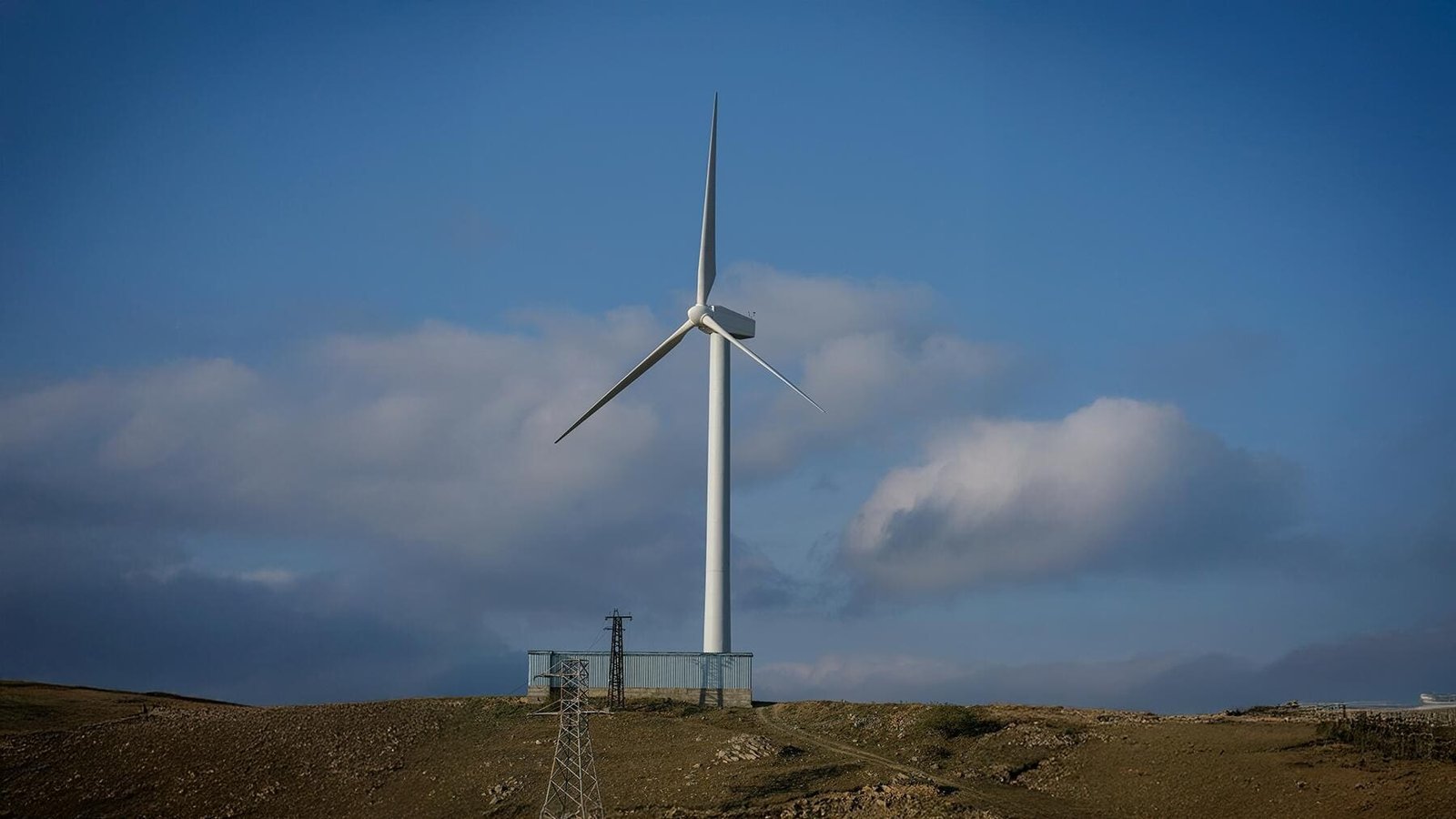
In the latest project to virtually put the islands on the map, Cape Verde has massively increased its wind power and battery storage, pushing nearly a third of its electricity supply to renewable sources. These sweeping changes began in December 2025, giving Cape Verde residents something to look forward to in 2026. This project involved a lot of complex work. Still, the main effort has been to combine wind turbines with grid-scale energy storage, which ultimately resulted in nearly a third of the country’s electricity coming from renewable sources.
Cape Verde becomes an attractive renewable energy producer
Cape Verde is one of those islands that people don’t usually talk about, but if we keep investing in projects this big, people will have to talk about it. The pivotal ceremony, which brought big news to the world, was held on December 8, 2025 and signaled that Cape Verde intends to get off to a flying start in 2026. At the meeting, officials unveiled the enhanced Cabeolica wind farm and battery energy storage system (BESS), marking a shift in Cape Verde’s energy landscape. The wind farm expansion required adding 13.5 MW of wind capacity in Santiago and 26 MWh of battery storage across multiple islands.
Prime Minister Ulises Correia e Silva expressed support for this strengthening, saying it would guarantee stronger energy security for the country. According to statistical figures, this expansion has increased renewable energy from around 20% to 30%. Commenting on the project, Samaira Zubair, President and CEO of African Finance Corporation, said:
“From the early days of the Caveollica project to this milestone launch, AFC’s mission has remained steadfast: to accelerate renewable energy solutions that strengthen the reliability and resilience of power systems across Africa.”
It definitely helped that AFC was involved in this project. Without AFC’s financial support, this expansion would not have been possible.
Cape Verde’s energy expansion wins the continent’s trust
While it may be true that only citizens based in Cape Verde can benefit from this project, Cape Verde’s success has significantly improved the continent as a whole. Cape Verde has installed battery energy storage systems on four islands: Santiago, Boavista, Sao and Sal. BESS is expected to reduce the obstacles that have previously prevented people from tapping into already stored wind energy. Like many other projects, the BESS facility in Cape Verde is scheduled for completion in early 2026, increasing its capacity to 30MWh.
Understand the role of African Finance Corporation
As mentioned above, AFC has made it clear that without its involvement this project would not have been possible. That may seem arrogant, but considering that AFC committed approximately $60 million to ensure efficiency in completing the project, it is probably also true. One of the main reasons why African countries are unable to ultimately complete energy-related projects is the lack of funding and when it is available. There are many corrupt officials who are failing to invest the money they deserve.
Cape Verde sets a blueprint for other islands and African countries
It is no exaggeration to say that Cape Verde is currently attracting a lot of attention. Some people want the island to succeed, while others don’t. In any case, if the project achieves all the predicted successes, people will have no choice but to adopt the strategy adopted by Cape Verde.
A big part of Cape Verde’s overall success has been funding from the AFC, the African Development Bank and the European Investment Bank. So far, the project has gone flawlessly, joining a select few successful energy-related projects in African countries.
