


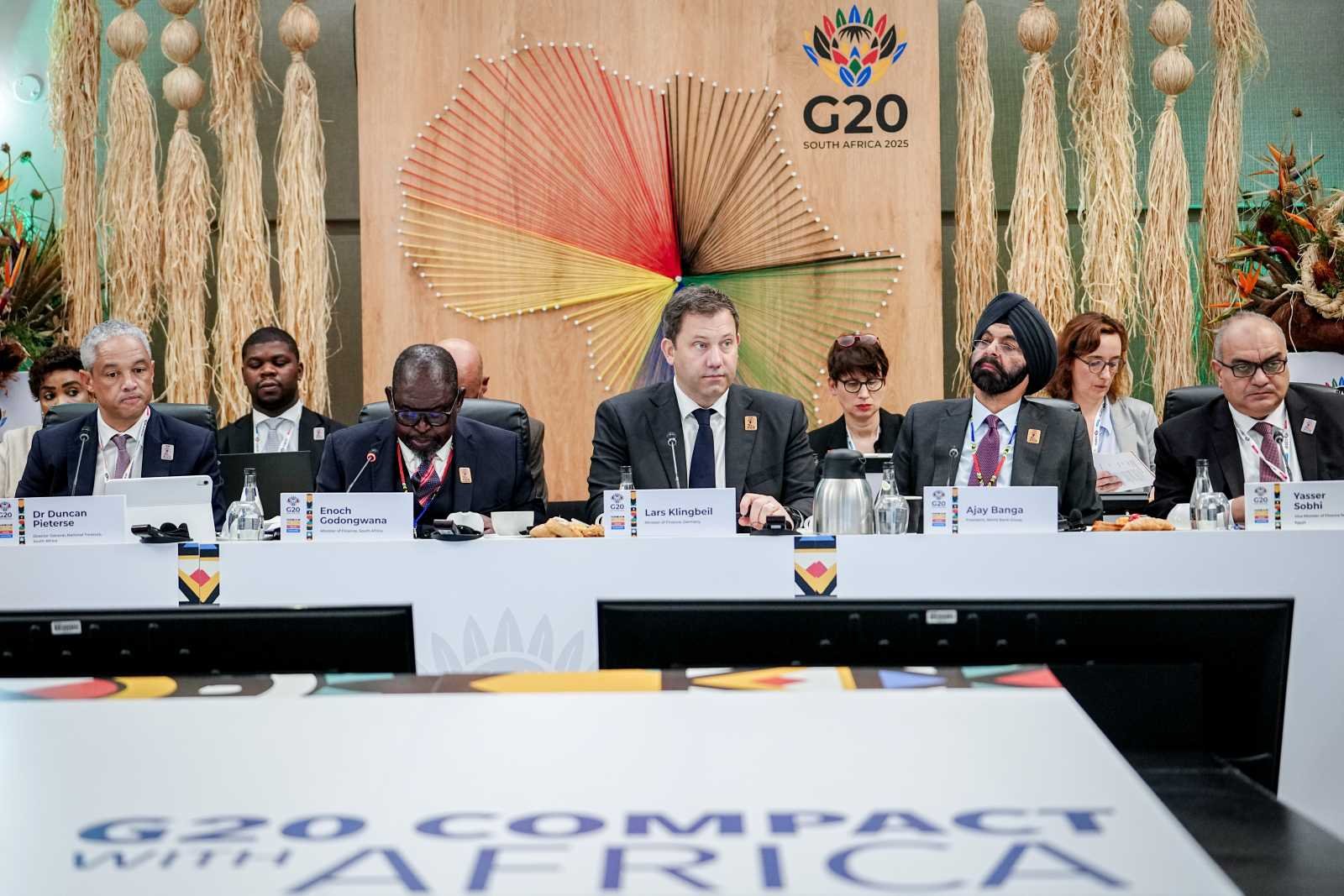
Diplomatic activities in all four countries have increased recently. For example, Germany is the driving force behind the G20 initiative “Compact with Africa,” which was launched in 2017 when Germany held the G20 Presidency. Its objective is to improve the business environment in African partner countries in order to encourage private sector investment. The French government has held the Africa-France Summit 28 times since the 1970s. Most recently, in 2021, the French government took a new approach. On behalf of representatives of African governments, civil society actors, business, intellectuals and representatives of the diaspora were invited to discuss cultural topics and entrepreneurship and innovation by African and French start-ups. The Italian government hosted the Africa Summit in January 2024, attended by 21 African heads of state. This was the highest level summit Italy has hosted in recent years and was a sign of Italy’s growing interest in the continent. So far, the Netherlands has not hosted an African summit.
France
In 2023, President Emmanuel Macron introduced a new Africa strategy. In addition to recalibrating security policy, the government also wants to take a new approach to economic cooperation, moving from classic development cooperation to a stronger role for the private sector. Economic cooperation will be strengthened, especially in the areas of agriculture, digital technology, and cultural and creative industries.
French companies’ investments in Africa will also be better protected from risks. Companies expanding internationally will ultimately be supported by those involved in Team France Export. This initiative brings together market entry proposals provided by the Export Credit and Foreign Trade Agency, national and international chambers of commerce and French regions, and provides companies with an overview of all financing opportunities available for their activities in Africa.
Italy
In 2024, the Italian government introduced the Mattei Plan, which consists of six pillars: education, agriculture, health, energy, water and infrastructure. The goal is to promote sustainable socio-economic development in Africa and combat the causes of irregular migration. Italian companies are particularly involved in the implementation of this plan, especially regarding energy projects and support for African start-ups. The Matei Plan is based on the Africa Strategy adopted in 2020, with a particular focus on Italian private investment in agriculture and the food industry, renewable energy and infrastructure. This plan should help Italian companies expand into Africa and establish successful partnerships.
Netherlands
In 2023, the Dutch government announced its first 10-year continental strategy for Africa. It focuses on four areas: mutual economic development, security, migration, poverty reduction and climate protection. The private sector is critical to success in all these areas.
The focus is on promoting Africa’s private sector. The goal is to make value chains more sustainable and strengthen local production in order to facilitate African companies’ access to European markets. The sectors where private sector involvement is most relevant are agriculture, health care, and infrastructure. Eight priority countries in Africa (Egypt, Ivory Coast, Ghana, Kenya, Morocco, Nigeria, Senegal and South Africa) have been defined for projects related to sustainable digital transformation aimed at creating local jobs.
Furthermore, innovative financing models should also encourage Dutch private sector investment in Africa. The strategy places particular emphasis on the role played by the African diaspora in the Netherlands as a bridge between the two regions.
Germany
In Germany, different federal ministries and the federal government have adopted different Africa strategies in the past. These include the Ministry of Defense (2015), the Ministry of Education (2018), the Ministry of Economic Cooperation and Development (2023), and the Ministry of Food and Agriculture (2025). The German federal government’s Africa policy guidelines are coordinated by the Ministry of Foreign Affairs and were last updated in early 2025.
