


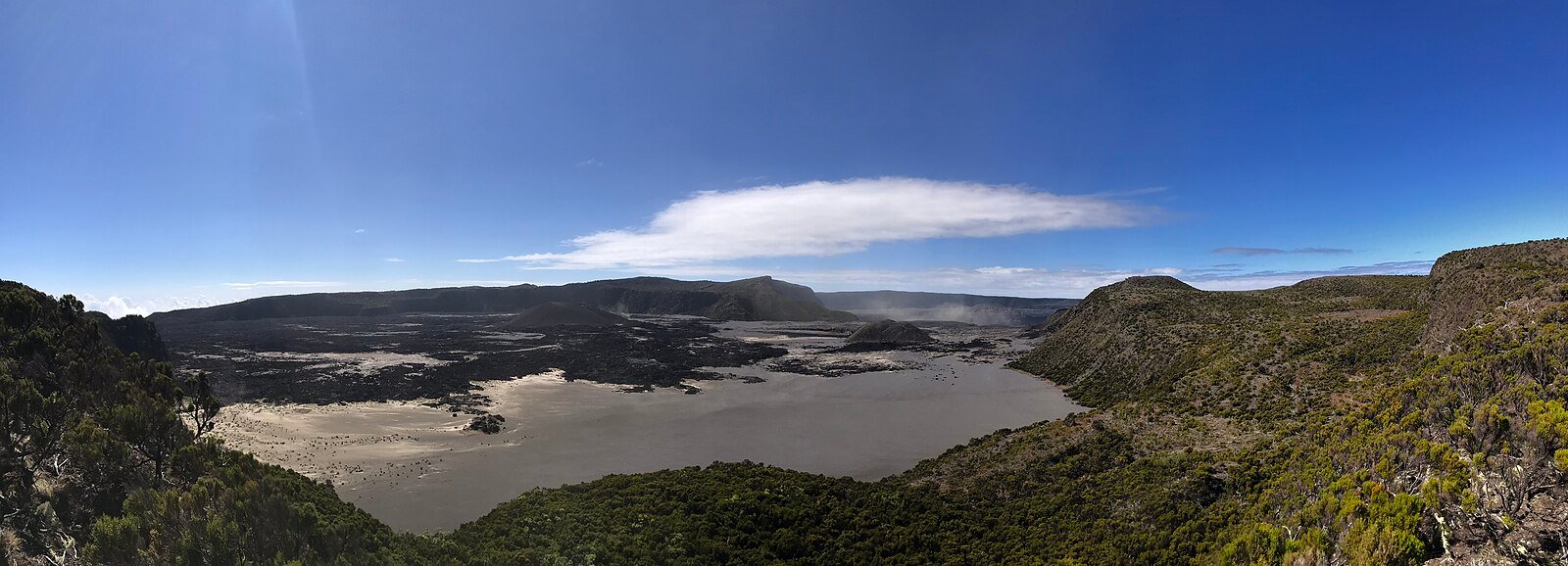
The African Development Bank (AfDB) will provide a US$26.6 million grant to the Comoros for the first phase of the Kalutara geothermal project. The bank published an evaluation report on the scheme in mid-December 2024.
The project aims to explore the geothermal potential of the Kalutara region, estimated at 45MW, and the government is considering harnessing the resource for baseload power generation. The project will cover an area of 1,148 square kilometers on the country’s main island of Grandarcomoa (Ngazija).
The first phase aims to mobilize resources to facilitate the construction of geothermal power plants. These include drilling and testing three exploration wells at depths of 2,500 to 2,900 meters. The data collected will be used to conduct a feasibility study to confirm geothermal potential. An independent review of test results and feasibility studies will be conducted.
The first phase will also include the development of technical facilities such as drilling platforms and laboratories, the drilling of five wells, and the establishment of a water transport and distribution network, including reservoirs, pipelines and pumping stations. A 15km access road will also be constructed between Bahani and Soufrière.
The first phase is expected to determine the feasibility of constructing a geothermal power plant, confirm power generation potential, and facilitate agricultural trade through access roads.
From late July to mid-August 2024, the consultant team carried out geophysical and hydrogeological surveys to confirm the existence of underground water sources that could secure water supply for geothermal drilling activities. A study conducted in 2015 identified potential water sources around the area where boreholes are proposed to be drilled.
The power plant will be built in the second phase and is planned to add 15MW of renewable energy capacity to the grid at a generation cost of USD 0.11/kWh.
Source: Project Report, October 2024
The project is planned to directly benefit Gran Comor’s estimated population of 520,000 people, improving the reliability of electricity supply and providing access to approximately 93,000 households. Government agencies and businesses will also benefit from increased electricity supply, improving living conditions and economic productivity for citizens.
Comoros’ energy mix is dominated by thermal power generation, which averages about 93% from 2021 to 2023, and the country’s electricity rate is US$0.44/kWh, one of the highest in Africa. The cost of diesel-based thermal power generation is USD 0.67/kWh.
Meanwhile, the country is facing an estimated 5.4MW supply shortfall due to operation and maintenance issues, and the government has turned to purchasing diesel generators, which are relatively expensive to produce, to meet demand.
To reduce dependence on imported petroleum products and thermal energy, the authorities aim to diversify the power mix by developing solar power capacity and exploring and strengthening geothermal potential. France’s Innovent is currently building two 3MW solar power plants on the island of Gran Comoro. However, the technical challenges of integrating solar power into interconnected power systems limit the use of this power source. The government is considering using geothermal energy as a baseload power source to supplement the intermittent nature of solar power generation.
Analysis of project costs and evaluation of alternative clean energy options demonstrated that, despite the scale of investment required, geothermal power generation can provide a cost-effective long-term solution to provide a safe and reliable source of electricity for the island of Grand Comor.
The Kalutara Geothermal Exploration Project is one of the key projects of the Comoros Emerging Plan and Energy Sector Investment Plan 2020-33. In the long term, it is expected to contribute to the creation of infrastructure for the generation of clean, reliable and affordable energy and promote the socio-economic development of the country.
The Comoros Bureau of Geology (BGC) will be the implementing agency for the project. The project will begin in January and is expected to be completed by December 2029.
The US$44.4 million project will be jointly funded by the AfDB, African Union, Global Environment Facility and governments.
Photo above: Kalutara volcano (© Lolodevenelles | Wikimedia Commons)
