


As the global energy debate continues to pit hydrocarbons against decarbonization, Angola is charting a pragmatic middle path. The country is accelerating hydrocarbon development to meet domestic and regional oil needs, while introducing innovative technologies and cleaner fuels to reduce emissions. By combining oil-led growth with low-carbon solutions such as non-associated gas, Angola is demonstrating that energy security and climate responsibility can work in tandem, providing a blueprint for emerging producers across Africa to navigate the energy transition in their own ways.
Driving oil production through innovation
Oil, which accounts for 90% of export earnings and 60% of government revenues, is the backbone of Angola’s economy and is central to the country’s national energy strategy. The country has a clear production goal of sustaining production above 1 million barrels per day (bpd) in the short to medium term, backed by a multi-year licensing strategy and perpetual offer system. As a result, carriers are ramping up investment, with an investment pipeline of $70 billion over the next five years set to support long-term production growth.
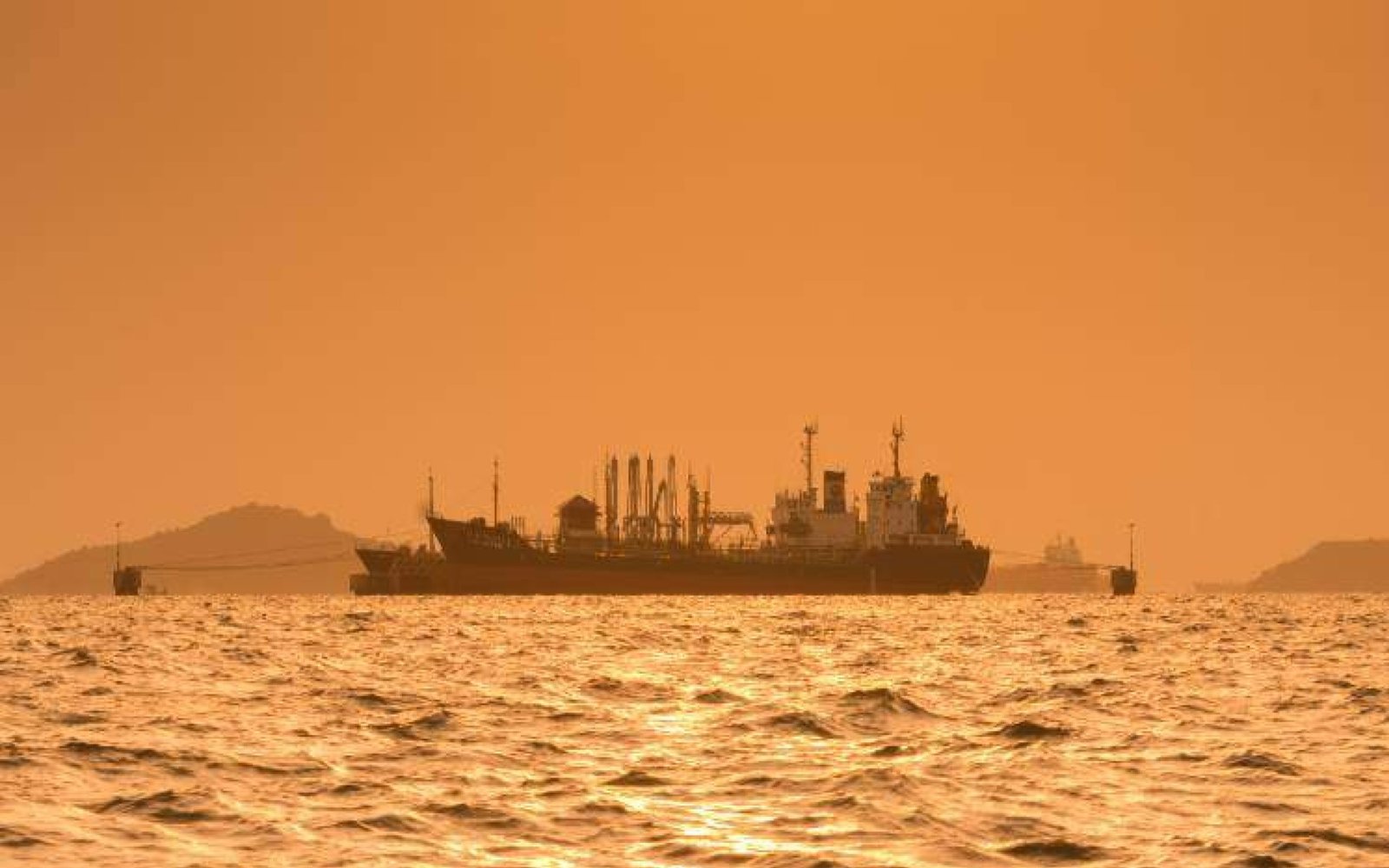
While crude oil production increases, operators are increasingly incorporating decarbonization into project designs to ensure lower emissions intensity and more efficient offshore operations to match production increases. Recent projects reflect this approach. Azule Energy’s Agogo Integrated West Hub project (located in Block 15/06) exemplifies the company’s low-carbon, fast-track development model. The model, originally led by Eni, maximizes value while minimizing time to market, subsurface risk and carbon emissions. Agogo FPSO’s fully electric topside and offshore systems, combined cycle power generation system, and carbon capture and storage units demonstrate this approach, making it Angola’s first FPSO with fully offset operational carbon emissions.
TotalEnergies is implementing a similar design at its Caminho project, which is expected to come online in 2028. The project consists of converting a very large crude oil carrier into an FPSO unit, designed to minimize greenhouse gas emissions and eliminate routine flaring. Like Agogo, the FPSO is all-electric and associated gas is expected to be reinjected into the reservoir. Angola is demonstrating that by integrating electrification, energy efficiency and advanced process controls, large-scale oil development can meet global emissions projections without sacrificing production.
Non-associated gas as a low-carbon growth engine
Along with oil, Angola is accelerating the development of non-associated gas as a strategic low-carbon fuel. A turning point in 2025 was the launch of a new gas consortium project featuring the Kilma and Maboqueiro fields, enabling domestic gas supplies to support power generation, industrial development and LNG expansion. Angola’s non-associated gas ambitions were further strengthened by Azul Energy’s gas discovery in the Gajajeira-01 well in Block 1/14 in 2025.
However, the African Energy Chamber (AEC)’s Africa Energy Status 2026 Outlook highlights key challenges in Angola’s exploration of non-associated gas, particularly regarding the lack of the infrastructure needed to support gas emissions from offshore gas fields. The country’s gas development and subsequent energy addition strategy will require a shift from upstream-focused investments to downstream development, highlighting unique investment opportunities for international players.
“Angola has proven that ‘Drill Baby Drill’ is responsible development, not reckless extraction. It uses world-class technology, reduces emissions per barrel, monetizes gas into the electricity economy and provides energy for millions of people who still do not have access to it. Angola understands that it cannot transition out of energy poverty without first producing energy, and that responsibly developed hydrocarbons remain central to Africa’s growth story.” Ayuk said. AEC.
AOG 2026: Investing in Angola’s future
The Angola Oil & Gas (AOG) Conference & Exhibition will focus on the country’s energy strategy. The event will bring Angola’s development needs to the forefront of the global energy dialogue by bringing together governments, policy makers, investors, operators and service providers under one roof. The next edition will be held in Luanda from 9 to 10 September 2026, with a pre-conference day held on 8 September, with the theme “Investing in Angola’s Future”, reflecting a national agenda rooted in pragmatism to accelerate oil and gas development to meet national and regional energy needs, while deploying technology and clean fuels to reduce emissions.
