


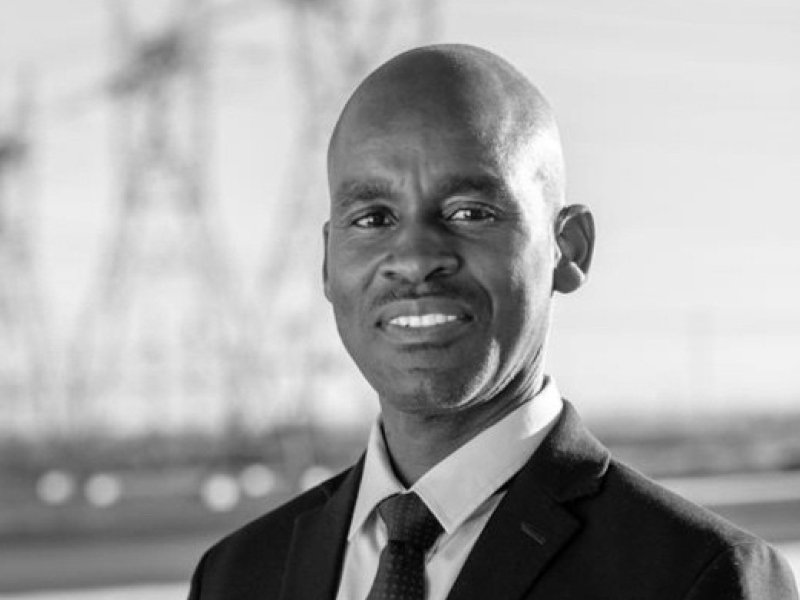
Eskom’s Chief Nuclear Officer, Belafi Ntuli, will speak at the African Energy Chamber (AEC)’s G20 Africa Energy Investment Forum, where he will focus on the pivotal role of nuclear energy in shaping Africa’s reliable, sustainable and inclusive electricity future. Ntuli’s participation comes at a time of renewed interest in nuclear technology as the basis for long-term energy resilience, as the continent ramps up efforts to expand access to affordable electricity and transition to cleaner energy systems.
Eskom’s Koeberg Nuclear Power Station near Cape Town is not only South Africa’s only nuclear power facility, but also Africa’s largest. The power plant has been a major contributor to South Africa’s energy security since it began operations in the 1980s, providing approximately 5% of the country’s electricity. Today, Koeberg is a symbol of Africa’s engineering prowess and proof of the role nuclear energy can play in reducing carbon emissions while ensuring grid reliability.
Koeberg has a major life extension project underway that aims to extend the operational life of the facility for an additional 20 years and provide approximately 1,860 MW of baseload power. The initiative represents an important milestone in Eskom’s strategy to secure South Africa’s electricity supply and underlines the country’s commitment to maintaining nuclear power as part of its diversified energy mix, which is an essential element in reducing the country’s dependence on coal and accelerating its path to a low-carbon economy.
The AEC’s G20 Africa Energy Investment Forum, held ahead of the G20 Summit, aims to put Africa’s energy sector at the center of the global investment debate. The forum will bring together African leaders, investors and development institutions to highlight how targeted capital flows can transform Africa’s energy landscape, create jobs and drive industrialization. Within this framework, Ntuli’s contribution will be critical in highlighting how nuclear power can complement renewable energy, stabilize the grid, and support the manufacturing and industrial growth needed for long-term economic development.
Nuclear power remains one of the most efficient and low-carbon energy sources available, providing baseload electricity to support Africa’s growing economies. As the global energy transition accelerates, many African countries are exploring nuclear power not only as an alternative to fossil fuels, but also as a catalyst for domestic industrialization, technology transfer and skills development. South Africa’s experience with Eskom and Köberg provides valuable lessons for other African countries seeking to establish or expand their nuclear programs, such as Ghana, Kenya and Egypt.
“Eskom’s Köberg station shows what Africa can achieve when we commit to long-term, technologically sound and locally-led energy solutions. Nuclear power provides Africa with an opportunity to strengthen energy security, create quality jobs and foster industrial growth as we work to write a legacy of energy poverty,” said NJ Ayuk, AEC Executive Chairman. “The discussion at the G20 Africa Energy Investment Forum is about ensuring Africa is not left behind in the global energy transition, and leaders like Ntuli are showing the way forward.”
As global energy markets evolve, it is timely and essential to include Africa’s nuclear ambitions in high-level investment discussions. By putting nuclear energy at the center of the G20 agenda, the forum aims to attract new partnerships, strengthen policy coherence and demonstrate Africa’s readiness to lead in clean and reliable power generation.
Para se inscrever no forum, clique aqui.
