


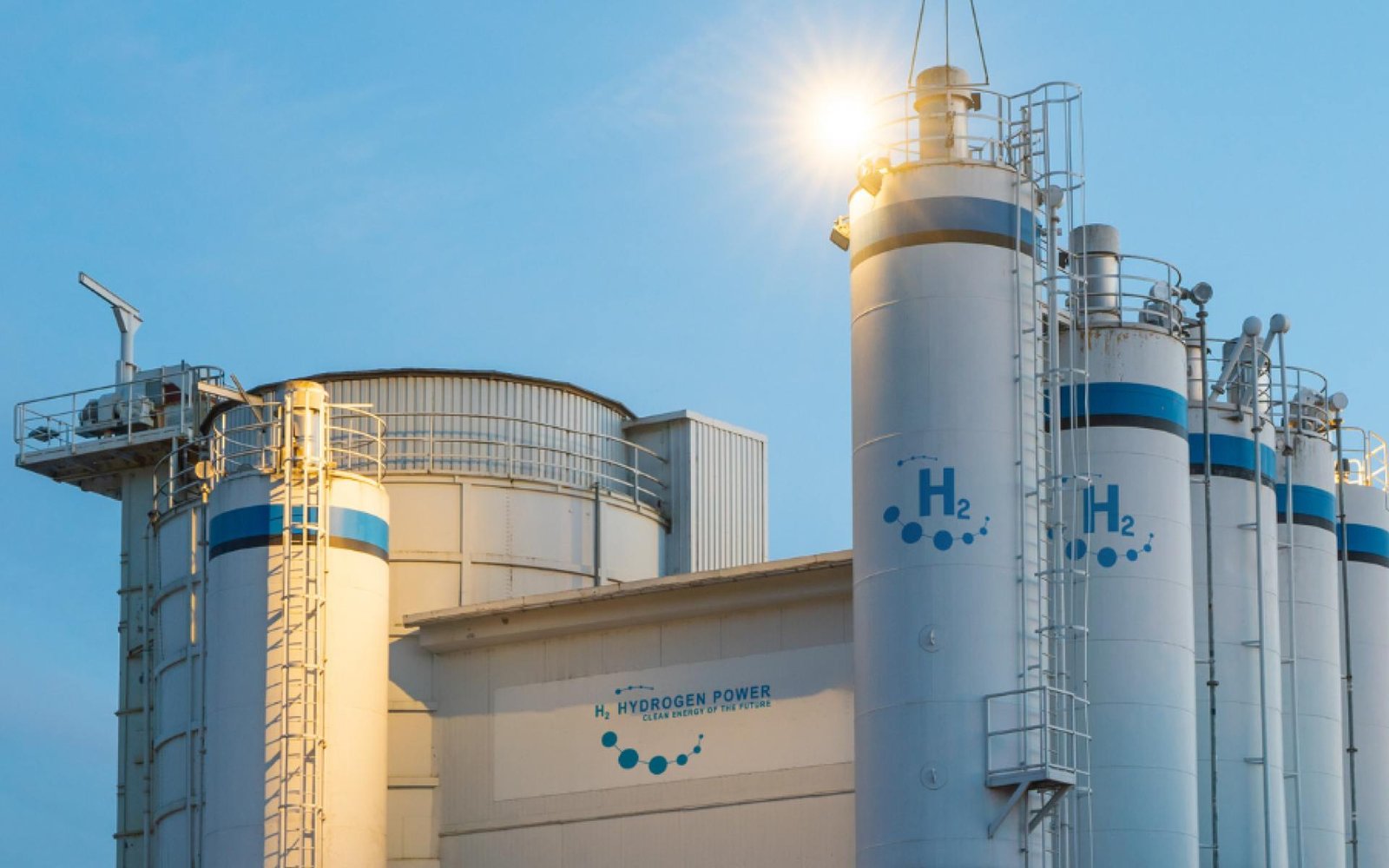
Last week, the European Commission confirmed that the SoutH2 corridor, a 3,300km pipeline linking North Africa’s hydrogen production hub with Europe’s main demand centres, was once again included in the list of projects of common interest. This decision underlines Europe’s strategic intention to secure reliable clean hydrogen import routes and signals a shift in Europe’s hydrogen demand from speculative to material. For African producers, this development highlights a rapidly emerging market and the urgent need to develop transport, storage, processing and export infrastructure that meets stringent European standards.
Momentum within Africa is also accelerating. In March 2025, Namibia’s Hiiron Osibela project began producing renewable-derived hydrogen for industrial applications such as clean steel, becoming one of the first commercial-scale footholds for green hydrogen in southern Africa. The momentum continued in September 2025 when Clean Energy Solutions Namibia launched an integrated green hydrogen production and fueling facility. In South Africa, the Council for Scientific and Industrial Research is leading the design of a green hydrogen production zone stretching from Saldanha on the west coast to Namaqua, to be realized by 2029, producing hydrogen through electrolysis and converting it to ammonia for both local use and global export. These efforts demonstrate that hydrogen is moving from vision to reality, but they also highlight the fundamental challenge that production alone is not enough. Without robust transport and export infrastructure, African hydrogen risks being stuck in global value chains or underutilized.
A panel entitled “Developing Green Hydrogen Transport Networks for African Exports” scheduled for the Investment in Africa Energy (IAE) 2026 Forum in Paris will explore these challenges in detail. Experts will examine the entire hydrogen value chain, including pipelines, ports, storage hubs, and conversion facilities, considering operational, financial, and environmental risks. Water scarcity, dependence on critical minerals, and ecological impacts are pressing concerns in regions where resources are already constrained. This session will also focus on how public-private collaboration and innovative financing mechanisms can reduce project risk and ensure African developers meet international market expectations.
Europe’s support for the SoutH2 corridor shows that hydrogen corridors are being supported by both policy and finance and are being treated as strategic infrastructure. African developers who adhere to these frameworks and invest in end-to-end infrastructure stand to gain first-mover advantage, while those focused solely on production may struggle to compete globally. Timing is important. Projects that can demonstrate reliable supply chains, operational excellence, and compliance with environmental and social standards can win high-value export contracts.
For oil and gas stakeholders, the evolving landscape presents both opportunities and challenges. While fossil fuels remain the main source of electricity generation in many African countries, the integration of green hydrogen offers potential new revenue streams and a path to industrial decarbonization. However, expanding the supply chain requires careful planning and coordination, especially when the infrastructure is still under development. Countries that combine renewable power generation with export-ready logistics and strong conversion capabilities will position themselves as trusted global suppliers and shape Africa’s role in the growing international hydrogen economy.
IAE 2026 will bring together policymakers, financiers, developers and technology experts to explore these dynamics and provide practical insights into the infrastructure, governance and investment framework needed to turn Africa’s hydrogen potential into an export reality. For stakeholders in the energy sector, attending this session provides a unique opportunity to engage with peers, explore strategic partnerships, and contribute to Africa’s new position in one of the world’s fastest growing clean energy markets.
IAE 2026 is a special forum aimed at connecting African energy markets with global investors and will serve as a key platform for deal-making in the lead-up to Africa Energy Week. Scheduled for April 22-23, 2026 in Paris, the event will offer participants two days of in-depth interaction with industry experts, project developers, investors and policy makers. For more information, please visit www.invest-africa-energy.com. To become a sponsor or register as a representative, please contact sales@energycapitalpower.com.
