


Across Africa, some of the continent’s most complex offshore energy developments are not only progressing, but ahead of schedule. In an industry where deepwater engineering, supply chain logistics and land-based risks often cause delays, African operators are accelerating timelines, underscoring the continent’s determination to bring oil and gas resources online quickly to meet growing demand, strengthen energy security and attract new capital.
Fast-track projects
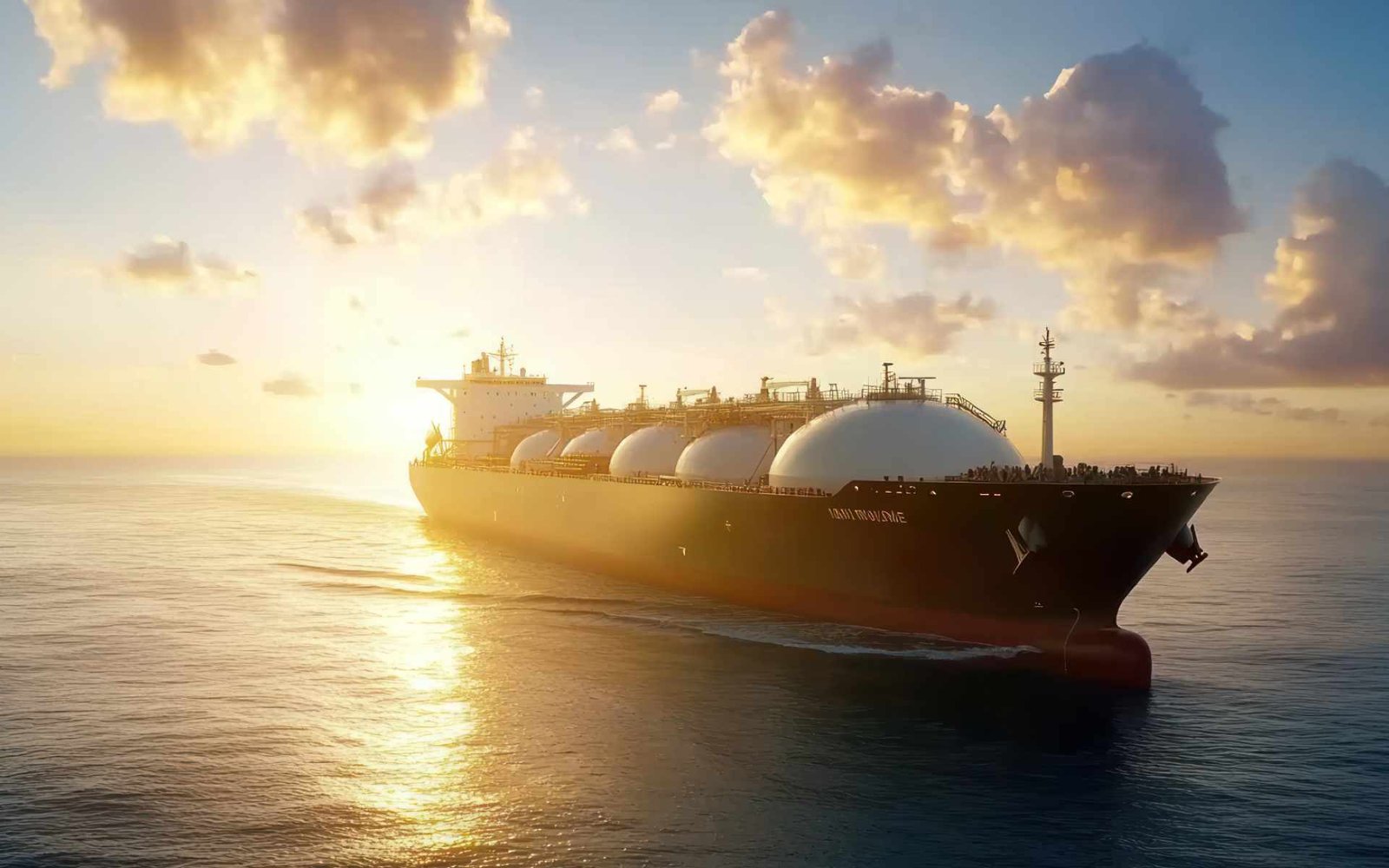
The Republic of Congo began the Eni-led Congo LNG Phase 2 Project in November 2025, establishing itself as a global LNG producer. The project, which started construction just 35 months ago and was delivered six months ahead of schedule, will mobilize the Guya FLNG vessel to increase production capacity from 600,000 tonnes to 3 million tonnes per year, with first exports scheduled for early 2026. The accelerated schedule is particularly noteworthy. FLNG infrastructure complexity and integration of new processing units into existing offshore systems.
Similar success has been recorded in Angola. In November 2025, Azul Energy announced the commencement of the country’s first non-associated gas project, the New Gas Consortium (NGC) processing plant, at Soyo. The NGC plant was commissioned six months ahead of schedule and just 24 months after the groundbreaking ceremony, with an annual production capacity of 400 million standard cubic feet and 20,000 barrels of condensate. Azure Energy also brought the Agogo FPSO online ahead of schedule, delivering the project in just 29 months. As part of the broader Agogo integrated west hub development in Block 15/06, the Agogo FPSO will increase production capacity to 175,000 barrels per day.
In Egypt, BP delivered the Raven Infills project safely and ahead of schedule, with gas leaking from the second stage of the Raven field in February 2025. Raven Infill, located in the Mediterranean Sea, has a capacity of 220 billion cubic feet of gas and 7 million barrels of condensate water and represents the third and final stage of West Nile Delta gas development. These projects highlight how careful industrial planning, modular design, and strong stakeholder engagement can accelerate delivery times. This is a positive trend in an industry often associated with delays.
What is driving development?
Accelerating project schedules across Africa is due to regulatory streamlining, clear policy direction, and strong government-industry collaboration. Angola’s ability to bring projects online quickly is supported by an evolving operational environment. Recent oil structure revisions, multi-year licensing rounds, the introduction of incremental production orders and efforts to reduce bureaucracy have shortened schedules and allowed additional barrels to come online. The Republic of Congo also plans to implement a new gas code by the end of 2025, in parallel with plans for a gas master plan. This is a policy aimed at increasing transparency, reducing regulatory uncertainty, and fostering the participation of international and domestic stakeholders.
Technological innovations, modular development models and established infrastructure further enable rapid project implementation. Next-generation FLNG vessels, enhanced seismic imaging, and digitized drilling workflows enable operators to move quickly from discovery to execution. For example, the Guya FLNG facility in Congo integrates advanced technologies to reduce carbon emissions and process gases of various compositions. The associated Scarabeo 5 unit, converted from a drilling rig, demonstrates the principles of industrial reuse and circular economy.
Egypt’s Raven Infills similarly demonstrates the benefits of leveraging existing infrastructure. By optimizing assets in the West Nile Delta, the project achieved rapid tiebacks and accelerated delivery, maximizing production from existing facilities. The acceleration of Africa’s oil and gas milestones sends a clear message that the continent is not only rich in resources, but increasingly defined by its ability to supply.
