


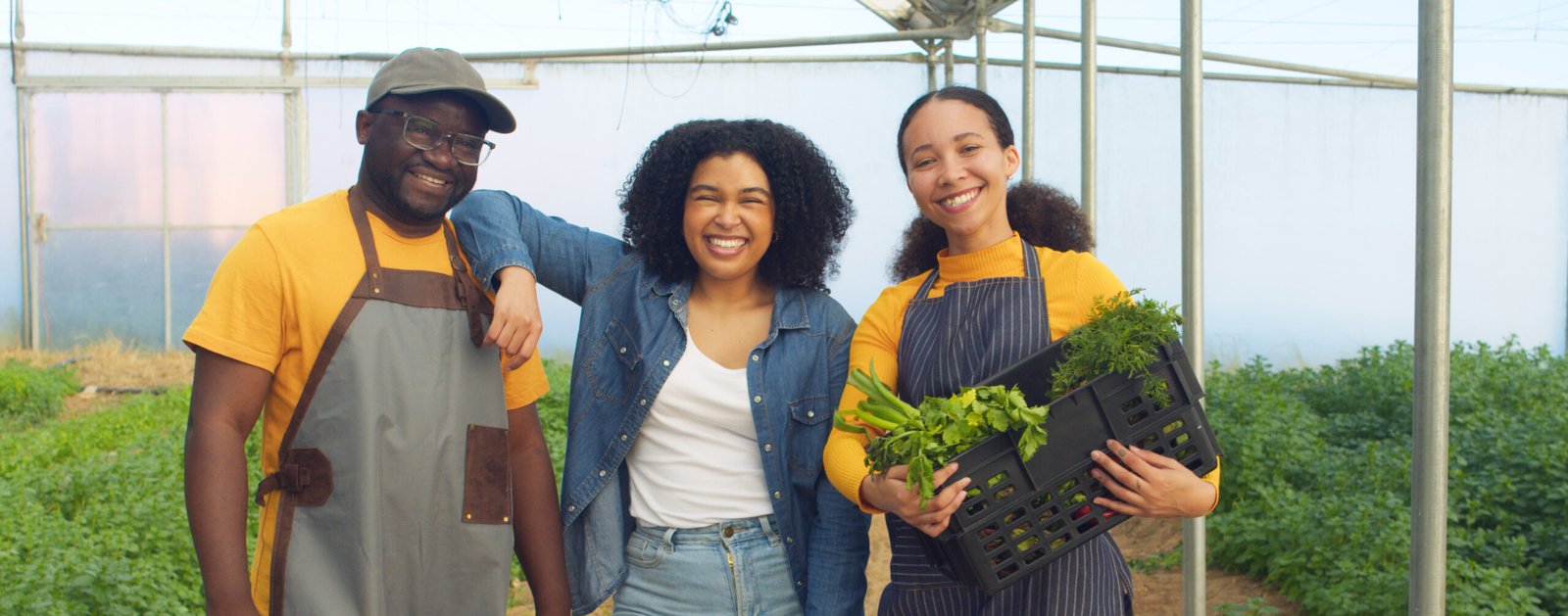
From skills to solutions: how climate adaptation training can foster youth entrepreneurship and new job creation
B
By 2030, Africa’s working-age population will soar to 600 million people, with nearly four in 10 still in their teens or early 20s. This youthful bulge has the potential to drive the continent’s economic transformation, but only if today’s youth acquire the skills needed in a rapidly evolving global market. But today, chronic disparities in education and job training leave millions of young people unemployed or underemployed. At the heart of the problem is the stark mismatch between the capabilities they possess and those required by modern industry.
Africa’s future depends on equipping young people with the skills they need for employment, decent work and entrepreneurship, especially as the continent faces increasing economic and environmental vulnerabilities. Today, one in four young people in Africa is not in education, employment or training, and youth unemployment remains high. Without urgent action, Africa could face a job deficit of around 350 million people by 2035, a gap that threatens to stall economic growth and undermine efforts to lift millions out of poverty.
At the same time, climate disasters are worsening, and severe weather events such as droughts and floods are occurring more frequently. This will threaten livelihoods and exacerbate economic instability, especially for young people in Africa.
To meet these challenges head-on, young people need future-ready competencies such as climate adaptation and climate-smart entrepreneurship. Here we explore the types of skills that can help young people survive in a changing climate and economy.
What is an adaptive job?
Adaptive employment is employment that is created, sustained or transformed to adapt to, recover from, or prevent the effects of climate change. These involve individuals working, directly or indirectly, to reduce vulnerability and increase the resilience of human and natural systems. These jobs exist across formal and informal sectors and are highly context-specific. They aim to improve working conditions, reduce negative externalities and support vulnerable people. Its quality and impact can be further strengthened by ensuring that it contributes meaningfully to measurable adaptation outcomes.
Skills for climate-smart entrepreneurship
Entrepreneurship is about problem solving, and successful entrepreneurs are skilled problem solvers with great financial literacy and business acumen. This empowers young people to move from ideas to action and design viable solutions that address real needs in their communities.
These skills enable young people to not only identify climate gaps in their communities, but also design solutions to address them. In a challenging economic environment, this will be key to helping young people become agents of change to tackle climate issues.
Profiles of entrepreneurs who have succeeded in combating climate change
Problem Solvers and Critical Thinkers: Identify local challenges, such as water scarcity, food insecurity, and energy insecurity, and develop practical solutions tailored to the situation. Financial and business knowledge: Build sustainable business models, effectively manage budgets, understand market trends, and secure funding and investment. Tech-savvy and data-driven: Leverage digital tools and data such as mobile apps, remote sensors, and digital marketplaces to scale solutions and improve efficiency. Green Innovation Champion: Designs environmentally sustainable products and services or develops solutions to environmental challenges Strong communicator and leader: Effectively pitches ideas, engages stakeholders, mobilizes communities, and builds networks that support business growth and climate resilience.
Lucy Wangari, founder of Onion Doctor, identified the challenges faced by smallholder farmers in growing productive crops in Kenya’s arid regions. To solve this, she launched Onion Doctor as a solution to help small farmers grow onions and garlic that are better suited to local conditions instead.
Her venture is one of the winners of the Africa Youth Adaptation Solutions Challenge (YouthADAPT Challenge), an annual competition and recognition program for youth-led businesses jointly sponsored by the African Development Bank, Global Center for Adaptation, and the Climate Investment Fund as part of the African Adaptation Acceleration Program (AAAP).
Through funding and mentorship from YouthADAPT, Lucy was able to hone her business acumen and scale Onion Doctor commercially. Today, Onion Doctor is a successful company that provides small farmers with an alternative source of income through onion and garlic production. Their all-in-one approach helps farmers increase yields, resulting in a 67% increase in farmers’ profits. Lucy’s story is just one example of how entrepreneurship, combined with the right skills and support, can unlock locally-led solutions, create jobs and drive sustainable economic growth in Africa.
2025 In-Country YouthADAPT – Now happening!
The 2025 edition of YouthADAPT will identify, fund and scale 100 youth-led businesses in Kenya, Tanzania, Rwanda, Ghana and Nigeria. Winners who address country-specific adaptation needs in food and infrastructure will receive a $30,000 grant and access to training and mentorship. The application period is from July 14th to August 4th, 2025. Please apply here.
climate adaptation skills
As the threat of climate change increases, every sector, from agriculture to energy to infrastructure, will need to adapt. Climate adaptation has therefore become a field that is not only an environmental necessity but also a growing employment opportunity. Empowering job seekers with climate adaptation skills increases the overall employability of young people and prepares them to meaningfully contribute to resilient economic development.
For aspiring engineers, technical expertise in climate-resilient infrastructure is essential. They need to be able to design roads, buildings, and other critical infrastructure that can withstand the increasing effects of climate change. For example, this could include skills in conducting robust climate risk analyzes to set flood-resistant road design criteria, or using forecasts to specify durable materials and drainage capacity for new roads.
Climate adaptation skills are particularly important in the agricultural sector, which is a key economic sector for many African countries. Farmers and agricultural entrepreneurs need knowledge about climate-smart agriculture, including techniques such as drought-resistant crop varieties, water-efficient irrigation systems, agroforestry, and soil conservation methods. Skills in interpreting seasonal climate forecasts, using mobile tools for precision farming, and applying sustainable land management practices can help protect food security and livelihoods in the face of volatile weather patterns. Training on post-harvest handling, value addition and market access will also help young people turn climate-resilient agriculture into a viable agribusiness opportunity.
Through collaboration with IFI, GCA is developing master classes and technical curricula aimed at building the technical capacity of the labor market to address Africa’s unique adaptation needs. One of the ways these curricula are rolled out is through African Technical and Vocational Education and Training (TVET) institutions. There is evidence that the provision of technical and vocational skills is linked to worker productivity and is key for Africa to bridge the gap between education and employment.
As part of the Skills for Employability, Inclusion and Productivity in Somalia Project (SEIP), we are working with the African Development Bank and the Government of Somalia to develop a national curriculum for the national TVET network to train youth in climate adaptation and entrepreneurship. This will ensure Somali youth are equipped with essential skills and knowledge to contribute to a resilient Somalia of tomorrow.
The ideas presented in this article are intended to encourage adaptive behavior. These are the views of the authors and do not necessarily reflect the views of the Global Adaptation Center.
Related blog posts:
